Year of manufacture
1928
Cylinders and position
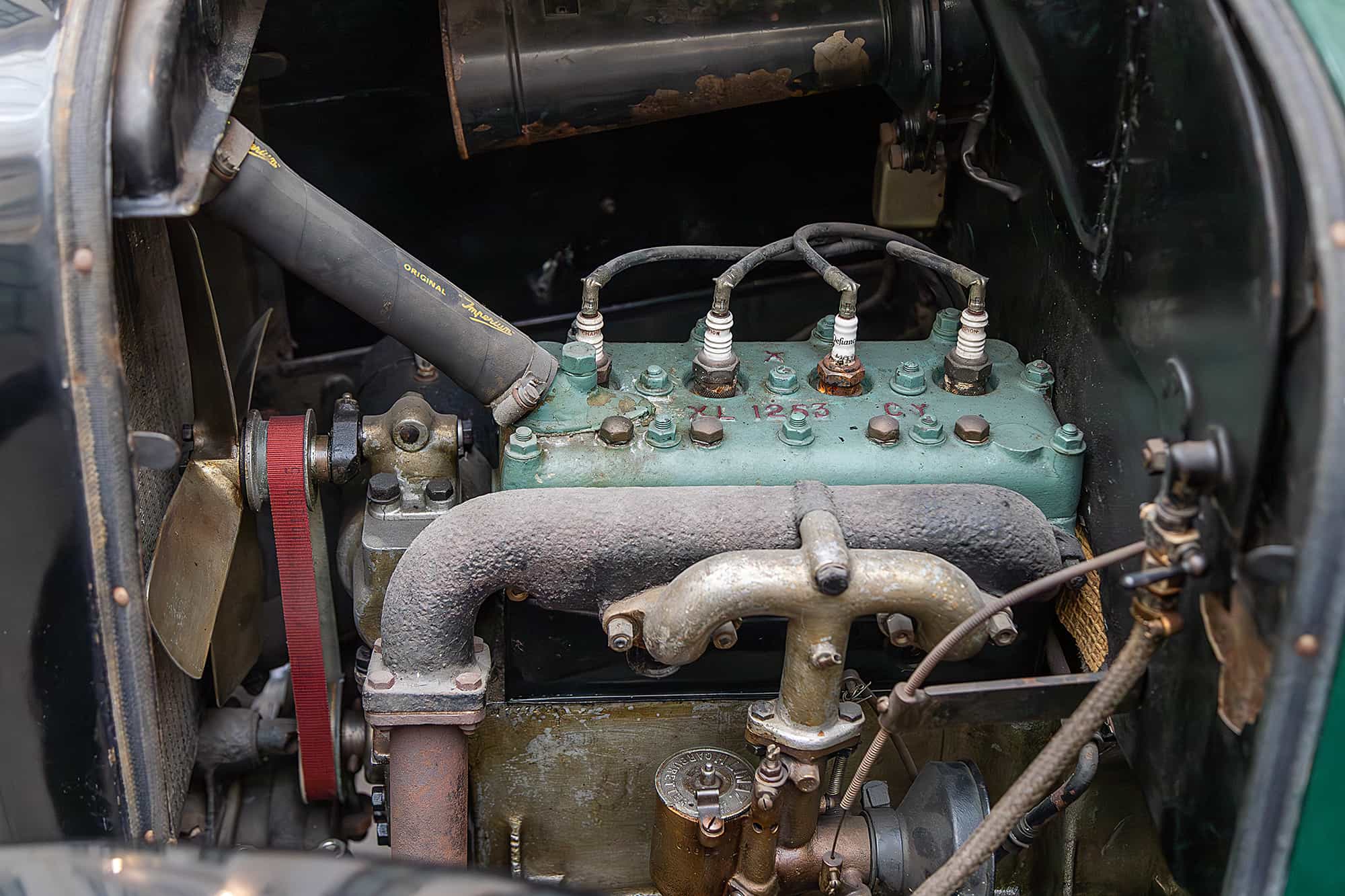
In-line 4-cylinder
HP
10,5 HP
CC
750 cc
Maximum speed
55 km/h
Transmission
3-speed manual
Maximum revolutions
N/D
Consumption
N/D
Acceleration 0-100 km/h
N/D
Torque
N/D
Dimensions
N/D
Weight
N/D
The apothecary’s car
Around 2,500 cars of this popular model were produced in its first year of production alone. The miniature ‘big cars’ were a great success and were sold all over Europe. By the time production ended in 1939, 290,000 had been built.
The Austin ‘Seven’ was introduced in 1922 and remained in production until 1939. Nearly 300,000 were produced, of which 10,000 are known to survive worldwide. Built in Longbridge, Birmingham, it was intended to provide affordable four-wheeled transport for the working man and his family. Austin built passenger cars, sports cars, saloons and vans from the ‘Seven’, while specialist coachbuilders such as Swallow (forerunner of Jaguar) used the chassis as the basis for their own cars.
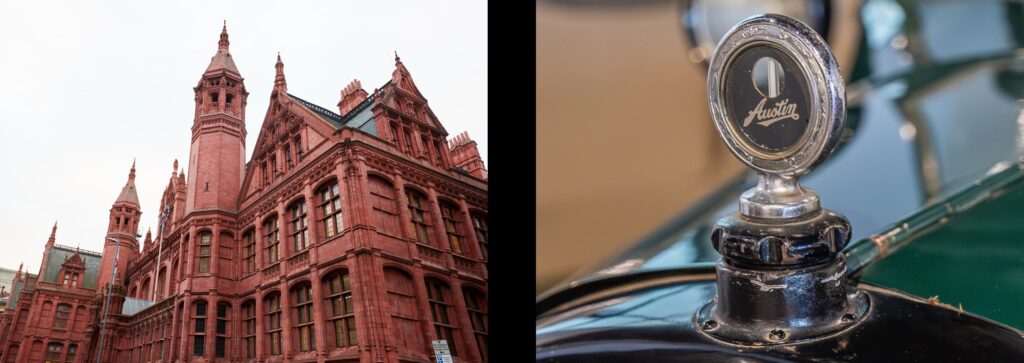
The ‘Seven’ was exported around the world and was produced under licence in Germany (where it was the first BMW), France, Japan (the original Datsun), Australia and the United States. The first Lotus, built by Colin Chapman in 1948, was a test car based on the ‘Seven’. This car has a valve that indicates the engine temperature, but instead of having it on the dashboard it is on the badge at the front of the car. It is the same system as a thermometer.