


The Roaring Twenties
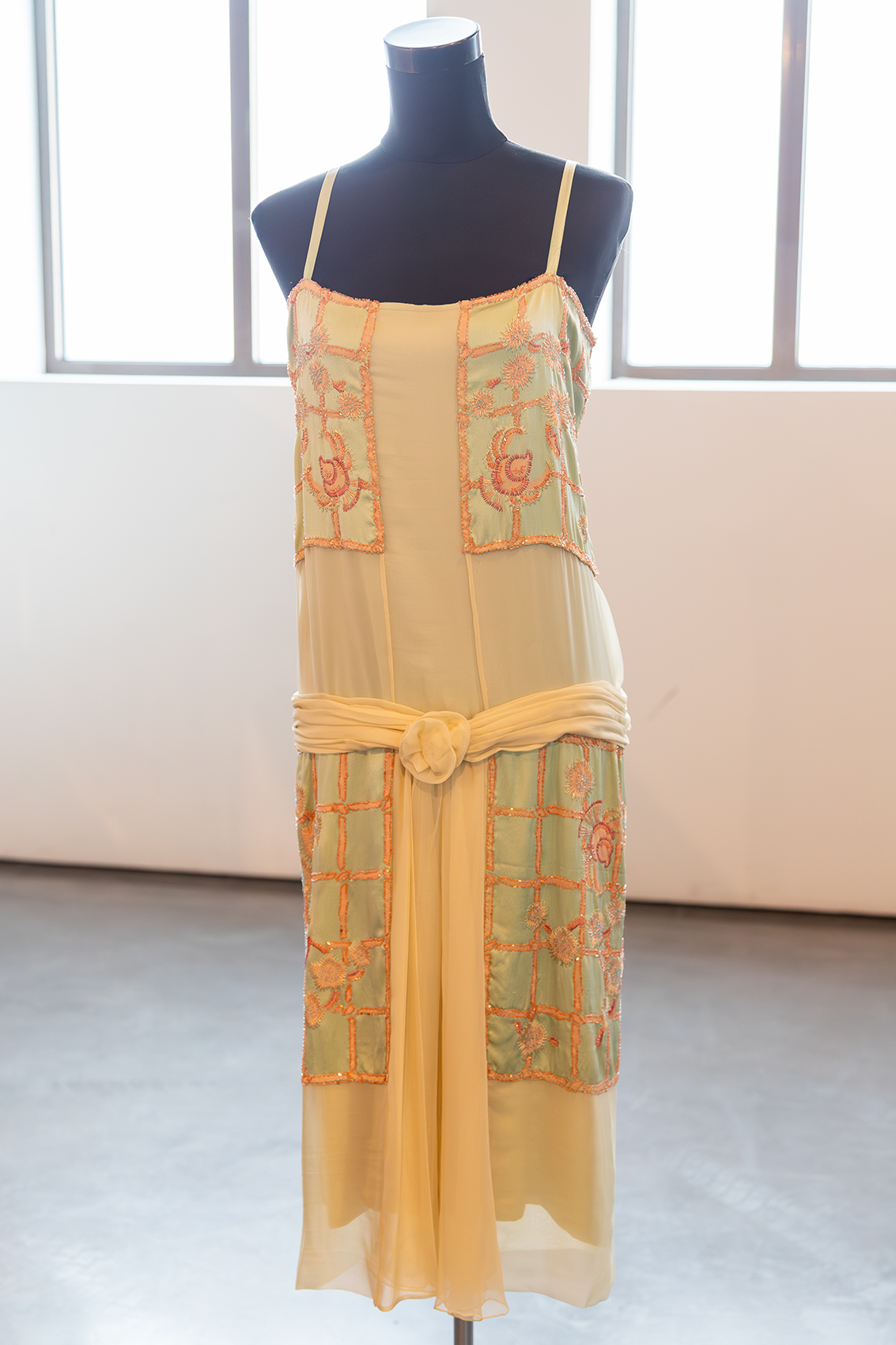
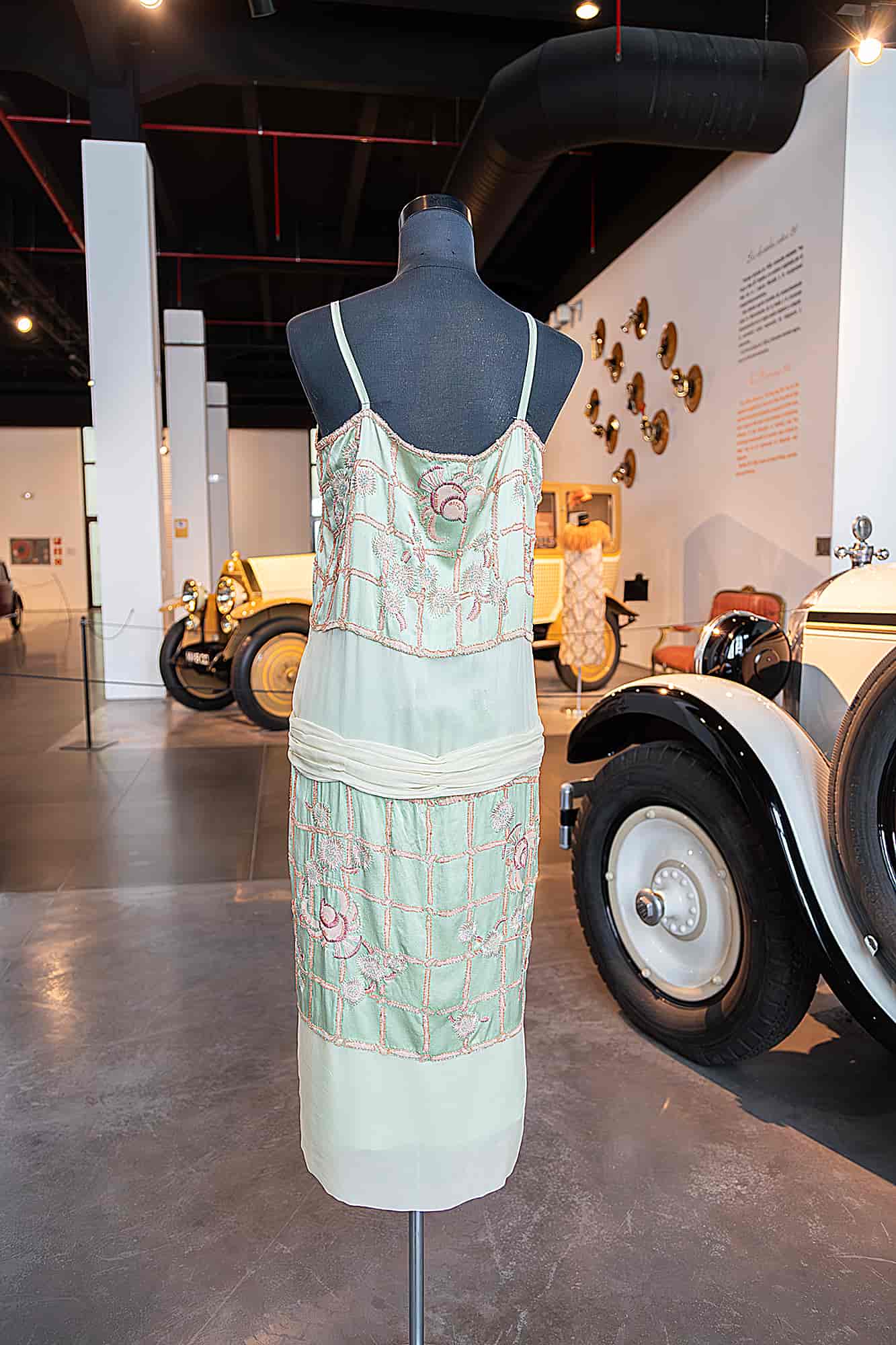
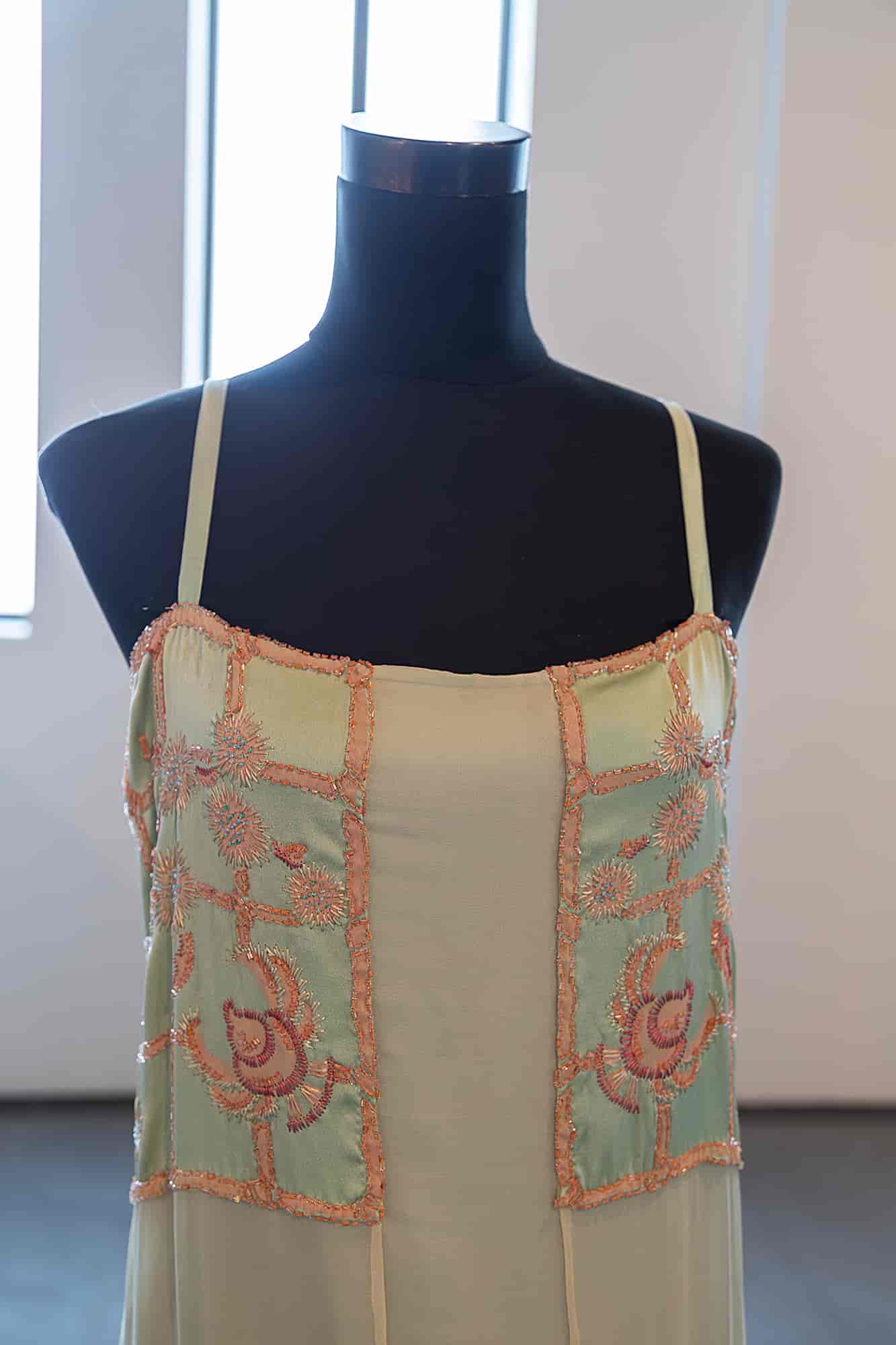
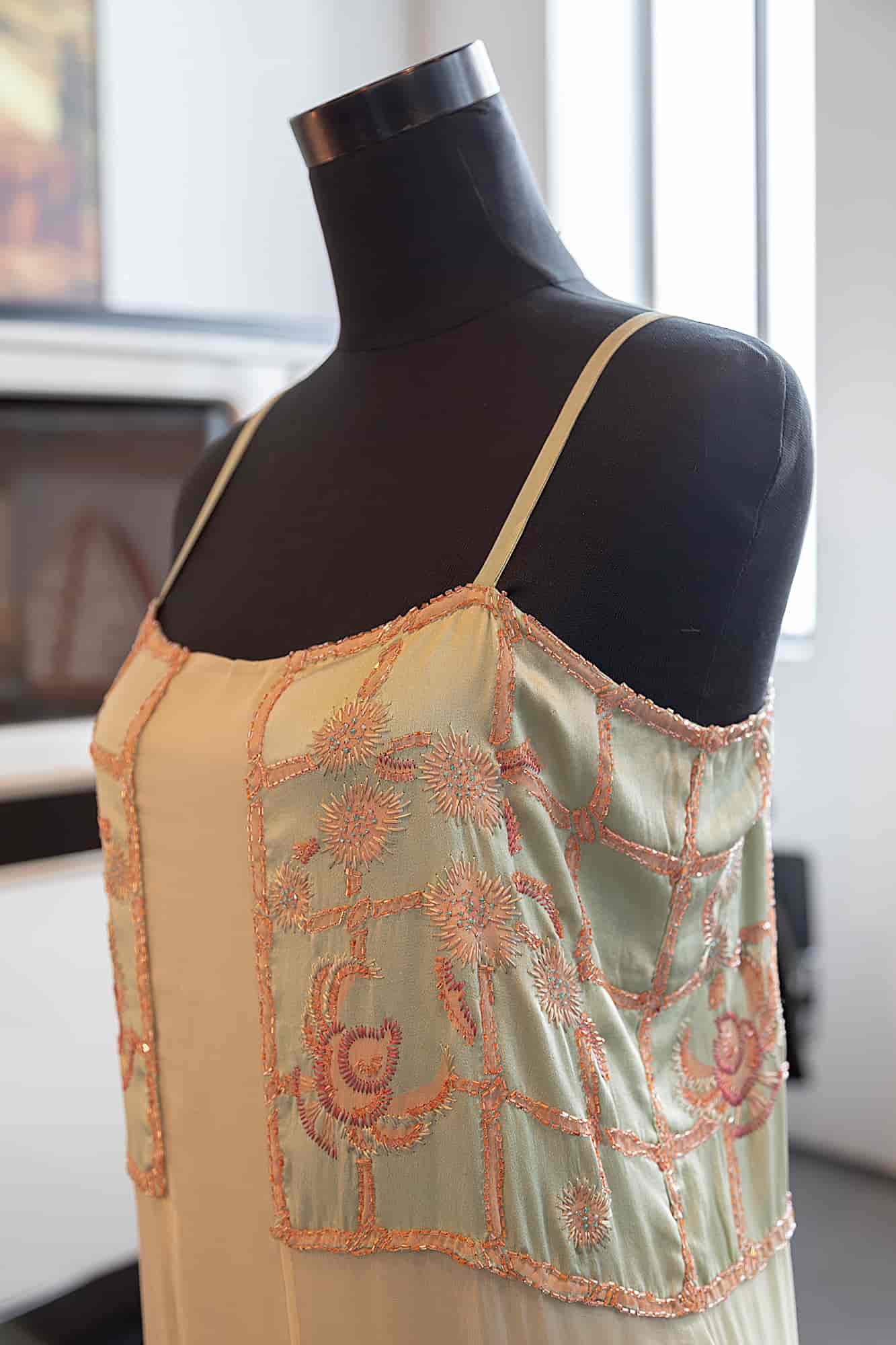
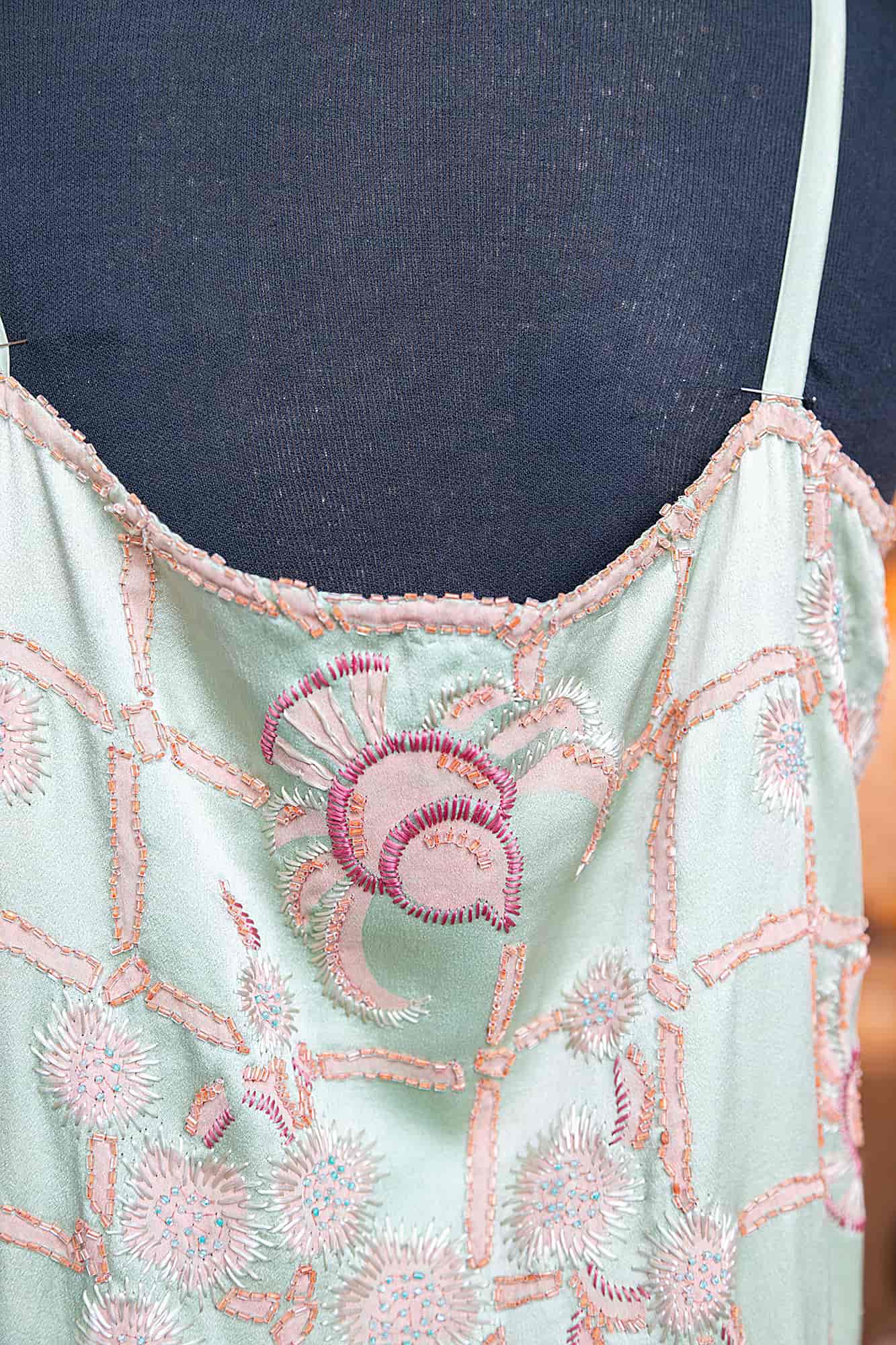
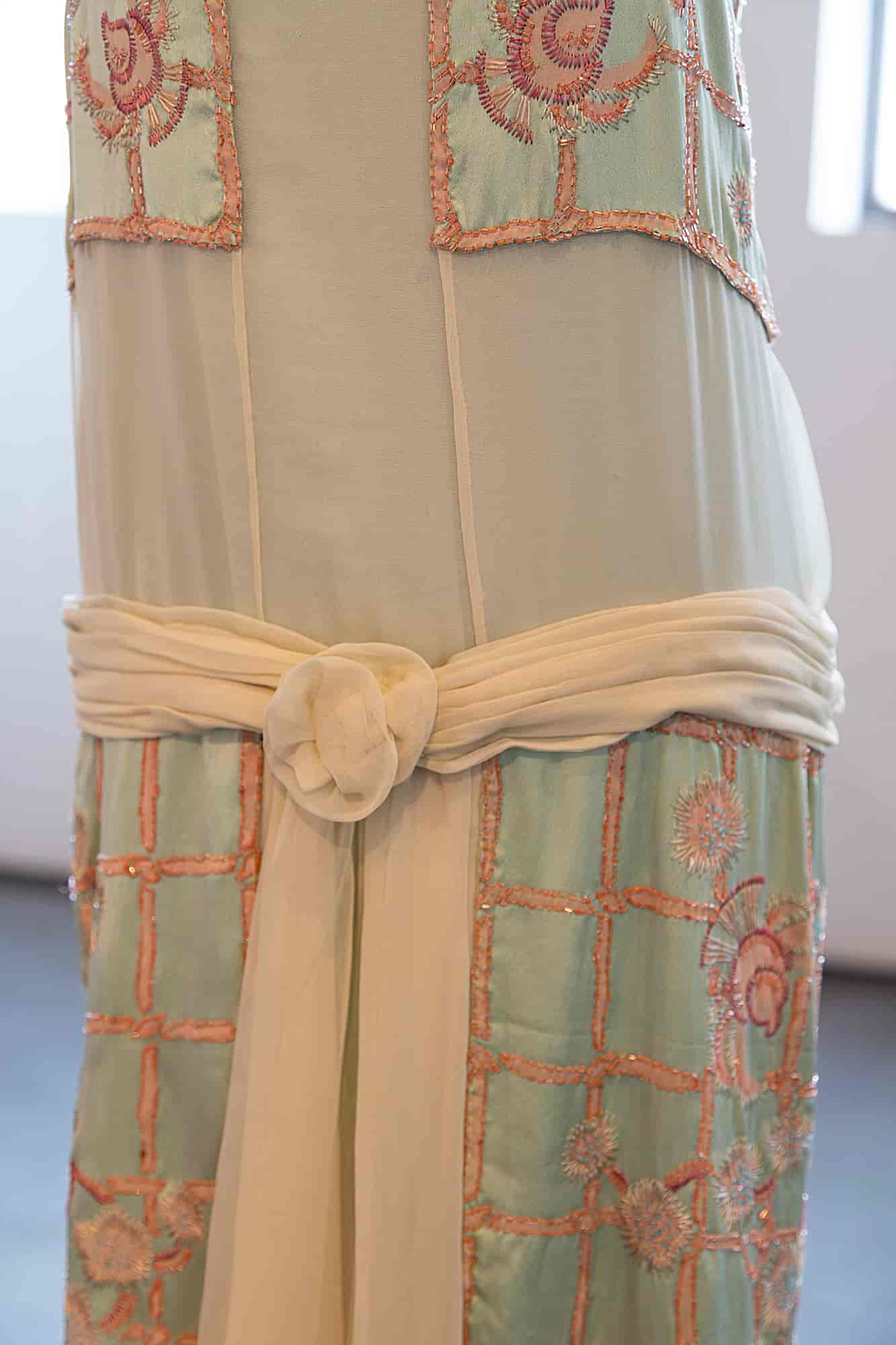
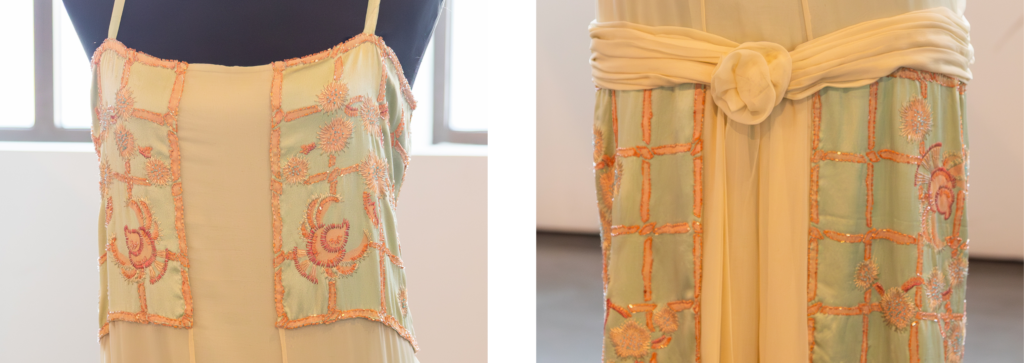
This design is set in the post-war period, the real beginning of the 20th century. The world returned to a temporary state of calm, yet it was never to be the same again. Being alive took on great value and, vitality being the most important quality, this could only be the hallmark of youth; setting the precedent for the adolescent positioning of the 1960s. A diplomatic respect for simplified clothes, made with as little fabric as possible and exchanging jewellery for costume jewellery.
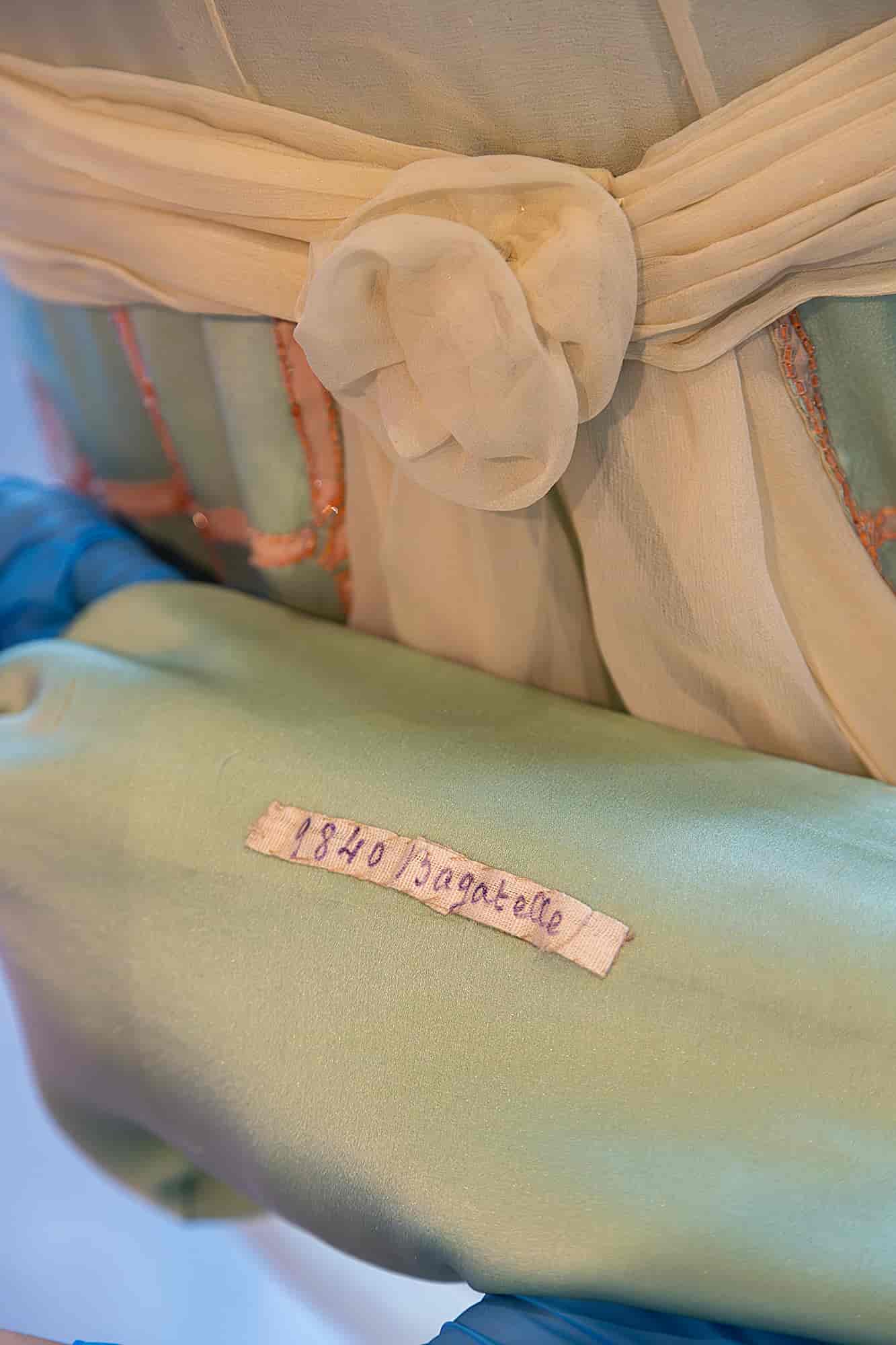
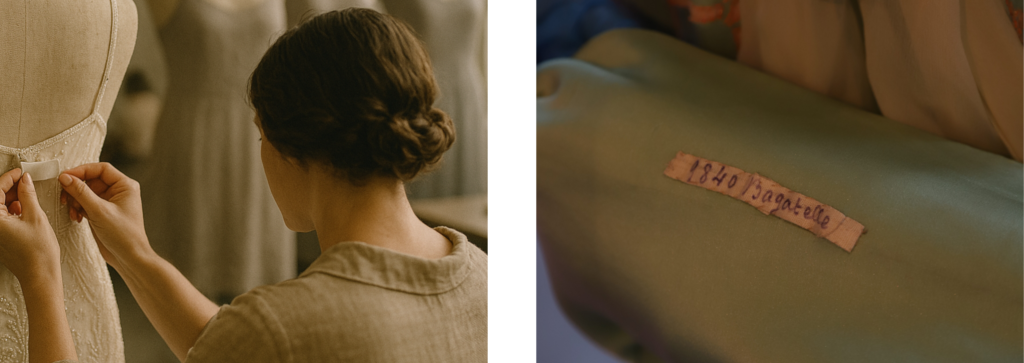
A curious feature of this dress is that it has a small label on the lower front part that reads ‘9840 Bagatelle’ in handwriting. The informality of this label leads us to think that it may have been a way of inventorying it or identifying it for sale. In the latter case, this information would be related to the person who ordered the dress.
After the war, the role of women in society was a totally different one, female emancipation began and, after centuries of being imprisoned under the weight of their own clothing, women experienced the comfort of dressing themselves and earning their own money.
This change in fashion represented not only a physical but also a symbolic liberation, reflecting women’s growing independence and autonomy. Clothes became simpler, adapting to the accelerated pace of modern life, where women began to occupy new work and social spaces. Corsets gave way to more fluid silhouettes and clothing ceased to be merely an ornament and became a tool for empowerment.