





Velvet damask
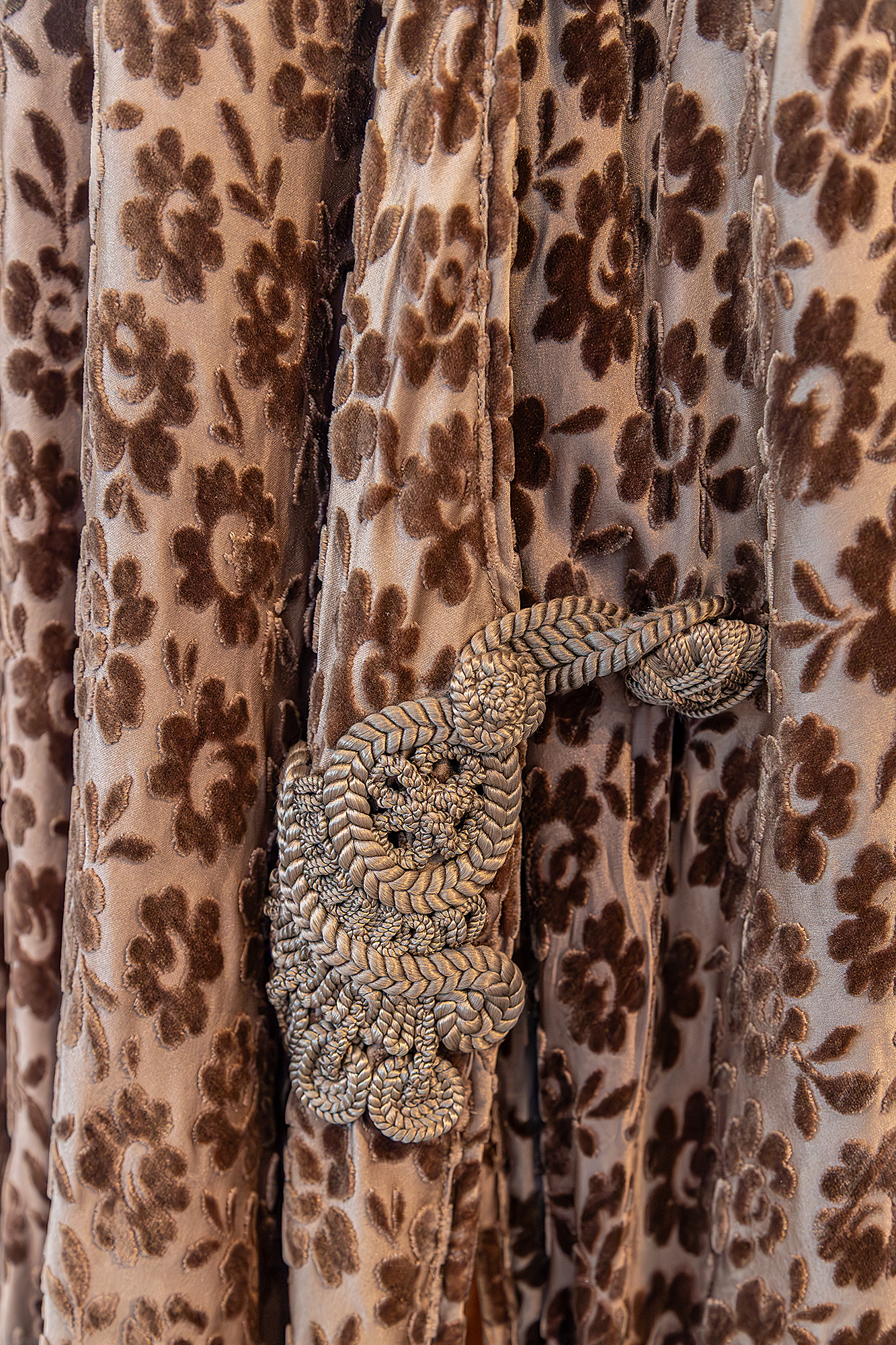
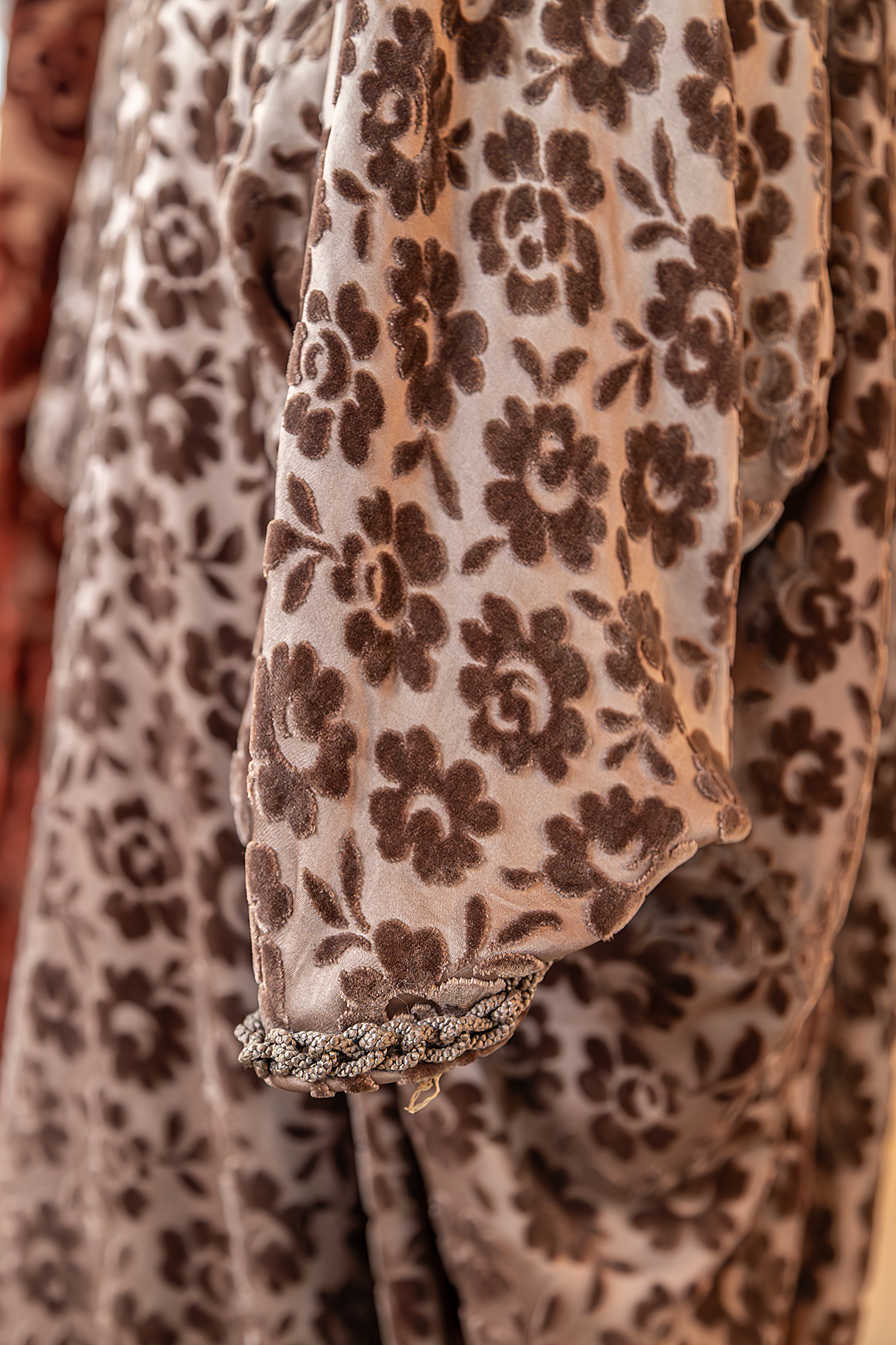
Velvet damask with floral motifs, as seen in this cocoon coat, was a recurring theme at the time, used to make various types of garments.
The flowing, cape-like structure is another contribution made by Paul Poiret, circa 1913. The cocoon coat, reflecting the oriental influences with which Poiret was inspired, would gain such popularity that it would spread over the next decade. During the 1920s, it would be reversed in different fabrics and always accompanied by different materials that accentuated the opulence of the decade.
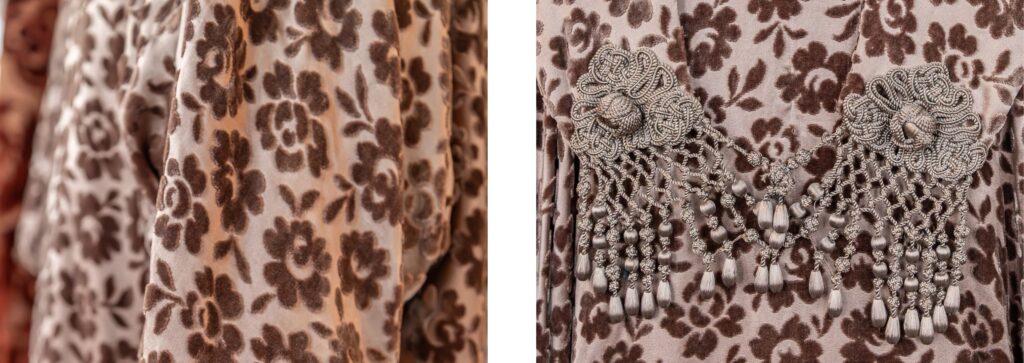
Some experts, such as Donald Osborne of the Audrain Museum, also relate the charm of this type of garment to the visual impact they generated when worn while travelling in the cars of the time, as the wind accentuated their fluidity and the materials from which they were made.
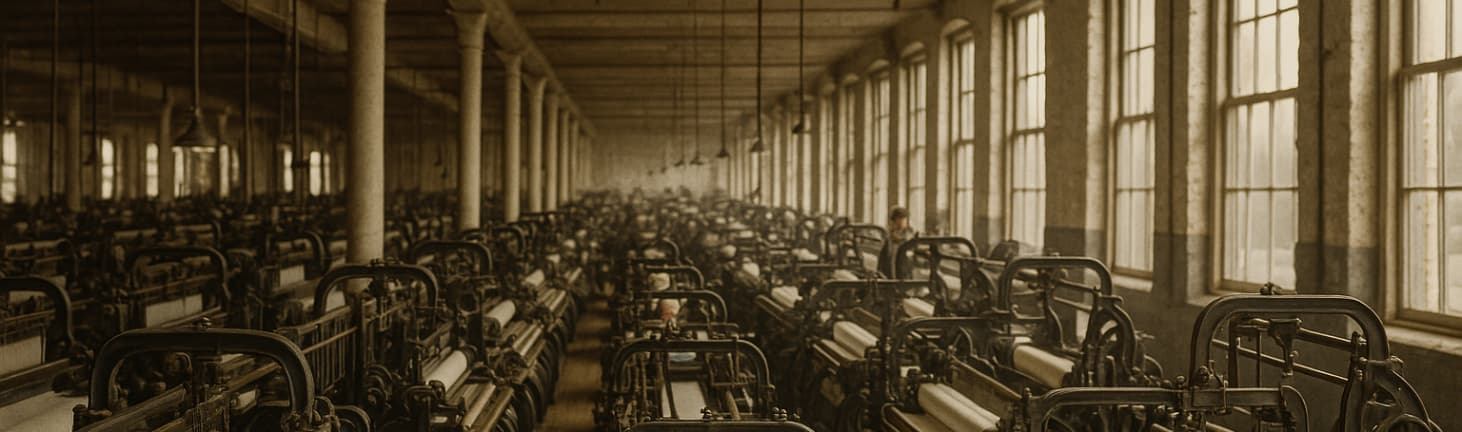
Damask is a type of fabric made on Jacquard looms and its main characteristic is the relief of its patterns, which are woven directly onto the fabric.
Although its use in Europe dates back to the 14th century, it is not surprising that its use became popular at the end of the 19th century, as with the second industrial revolution, looms made its production easier and cheaper.