



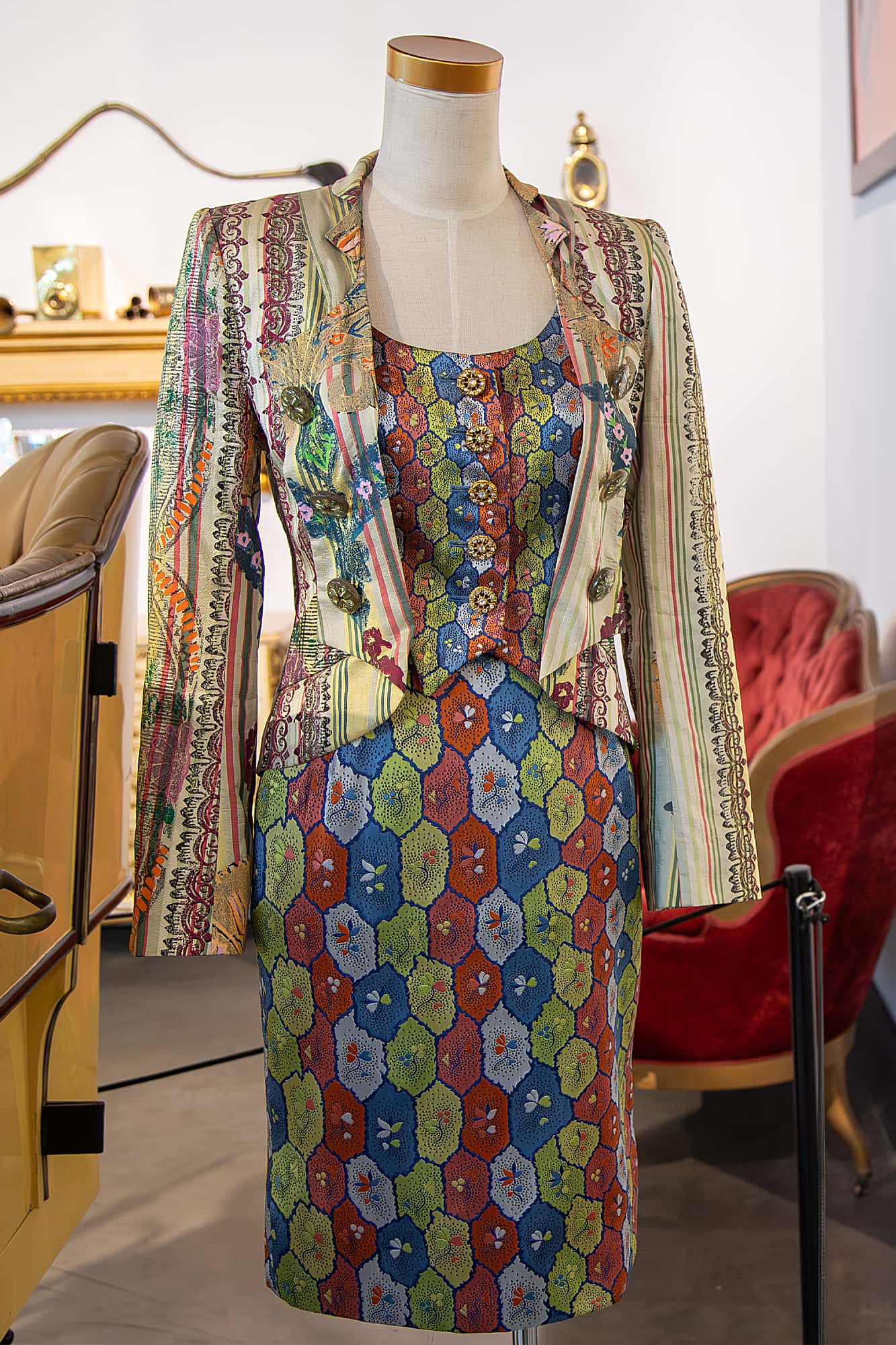
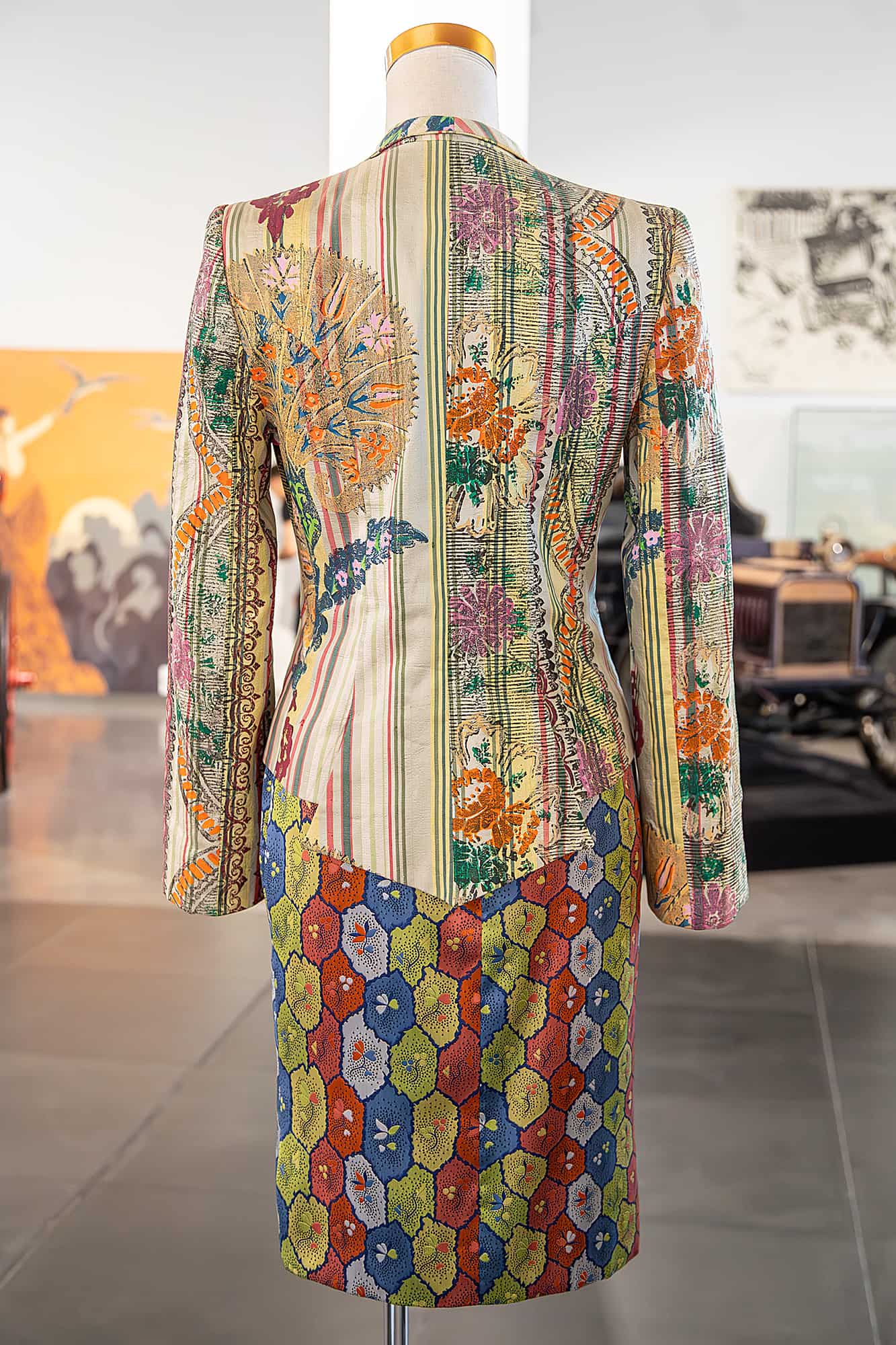
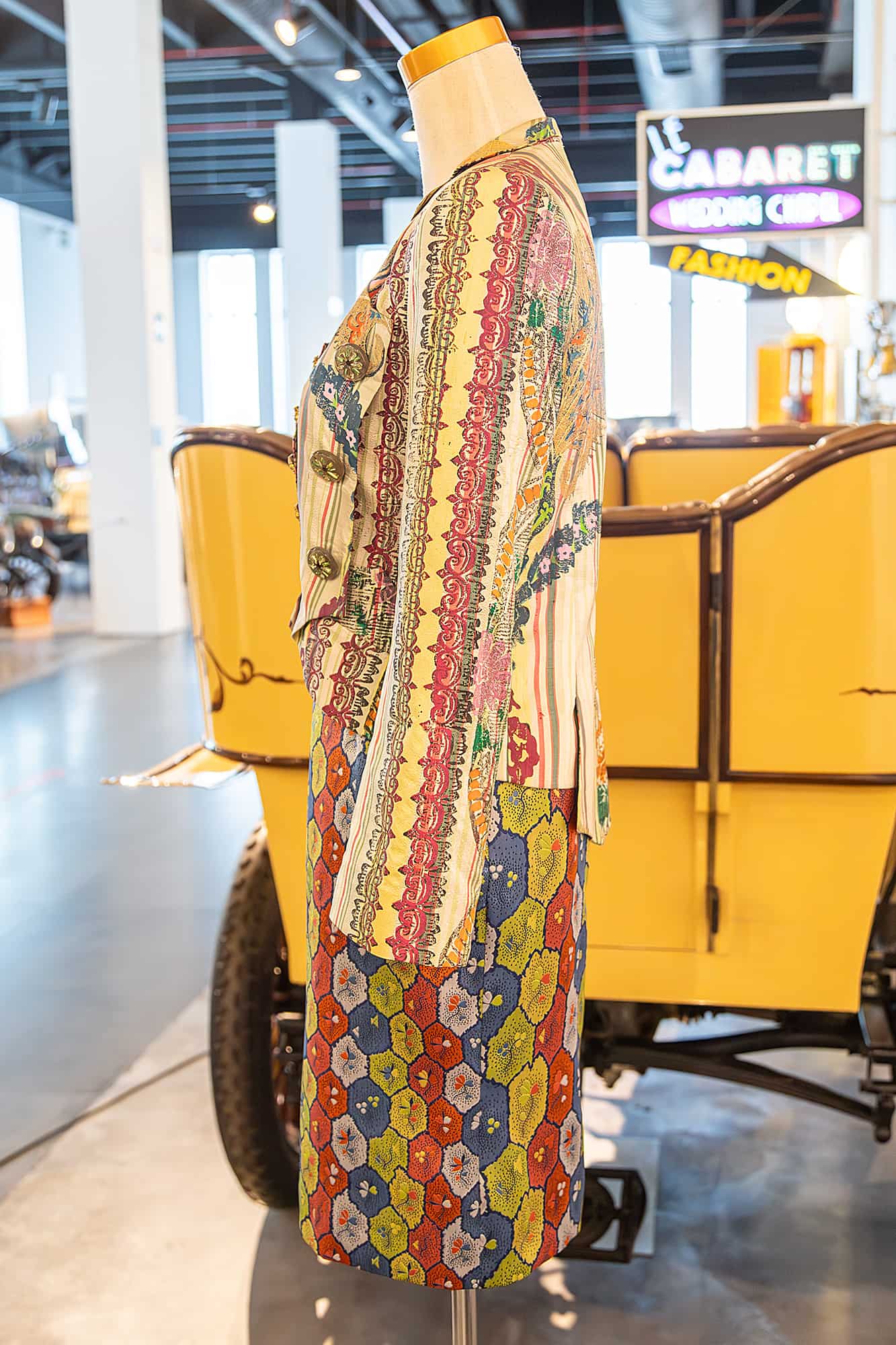
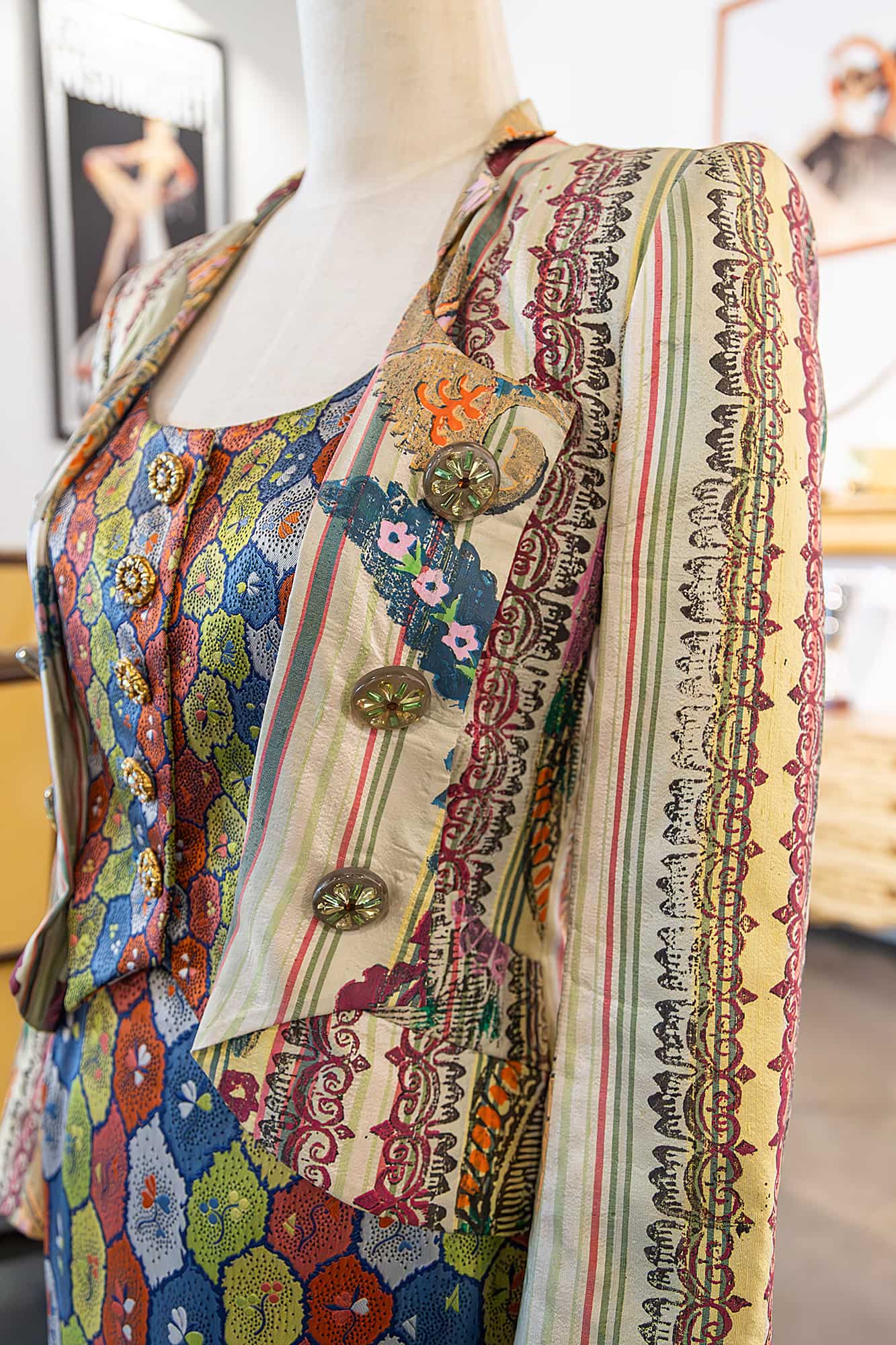
The Tailor-Made
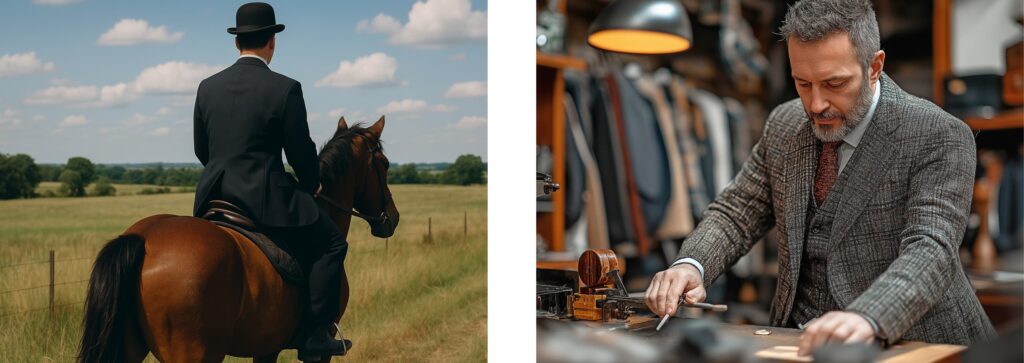
Around 1850, the so-called Tailor-Made, two- or three-piece suits made by tailors, appeared. Although initially intended for riding, they gradually found their way into women’s wardrobes, starting with activities such as cycling and other sports, to travel attire, and became the main Edwardian trend for social visits and shopping. It was also adopted as the quintessential ‘Suffragette’ attire (sometimes including bloomers), for its comfort and versatility.
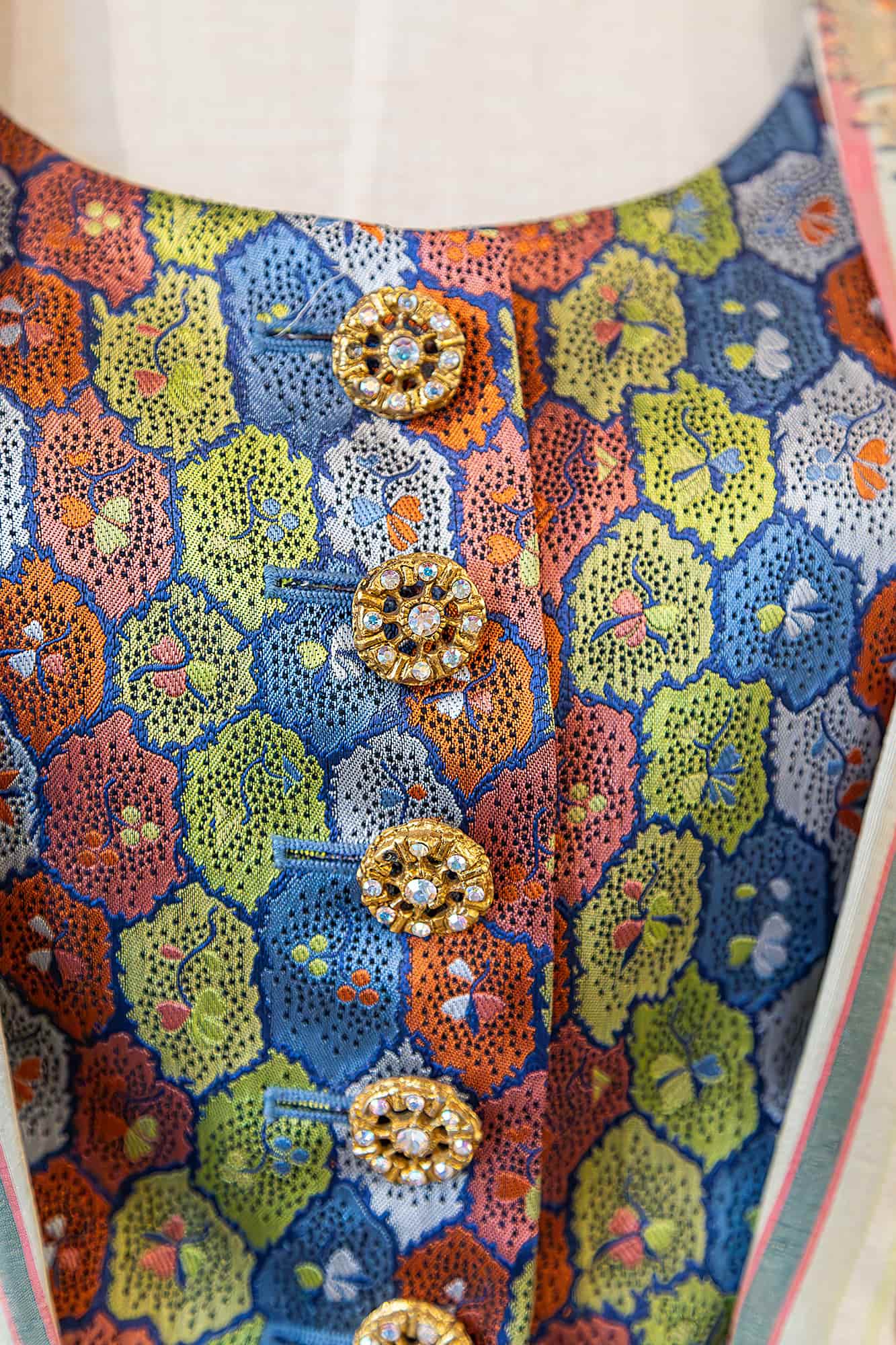
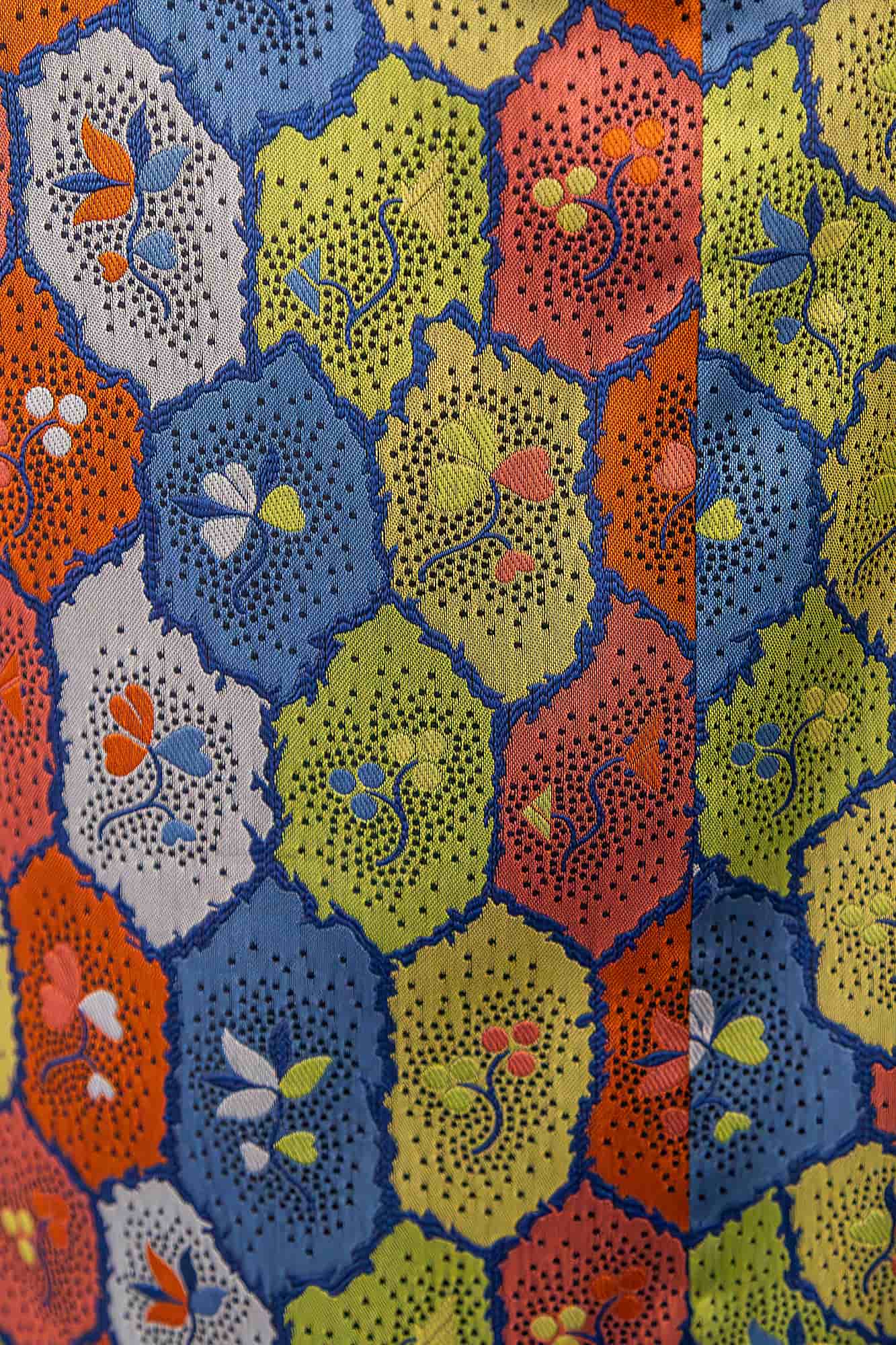
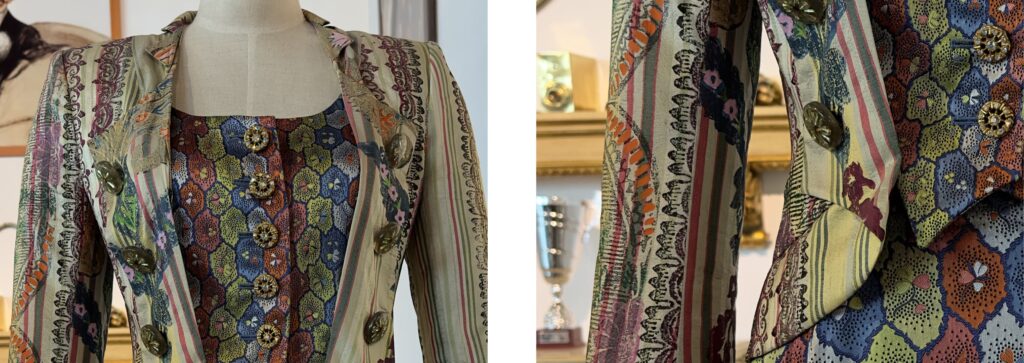
The importance of this piece is such that it has transcended history, reinventing itself time and time again, as we can see in this Christian Lacroix ensemble. We focus on the jacket, which captures the period when the ensemble was completed with a waistcoat and the edges of the jacket did not overlap, demonstrating how a garment can permeate through time.
Their name literally describes that they were tailor-made.
Tailor-made could be the forerunner of ready-to-wear, as they were made without a specific recipient and then tailored to fit.
Born in France in 1951, Lacroix is a fashion designer characterised by his mythical baroque and theatrical silhouettes. He originally studied art history and wanted to move to Paris to work in a museum, but it was when he met his current wife, Françoise Roesenthiel, that he began to work in the fashion world. First working for Hermès and designing for Jean Patou, he went on to create his own label for the LVMH group, the only one created from scratch.
It was in 1987, with his collection inspired by Spanish folklore, that he made his haute couture debut. Since then, Lacroix’s designs continue to create great excitement today, as we have seen at the Met Gala 2022, the model Adut Akech wearing a dress from the fall 2003 collection or the singer Rihanna wearing a huge furry hat with a matching mini dress, from the fall 2002 collection for the British Fashion Awards 2024.