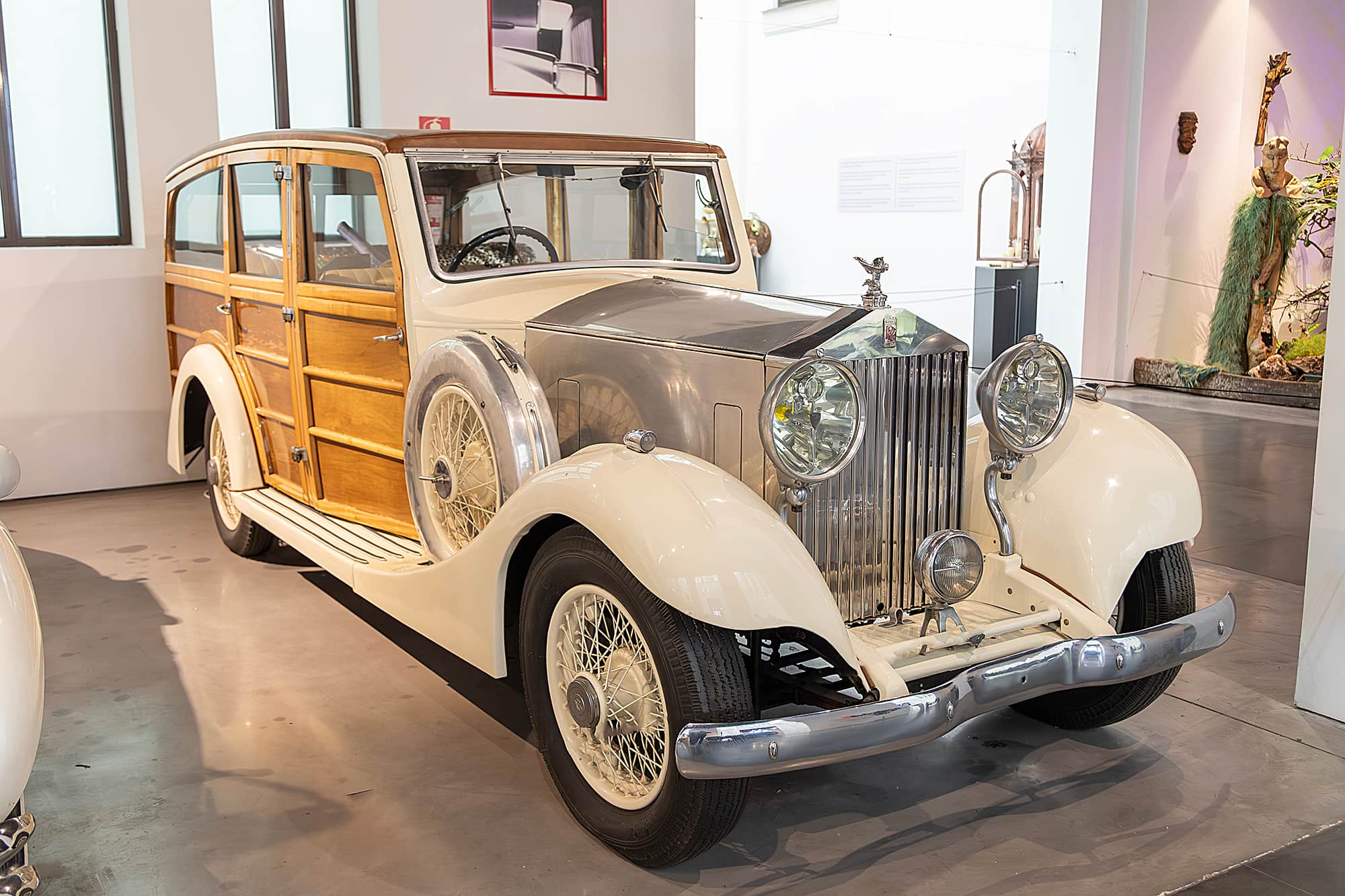
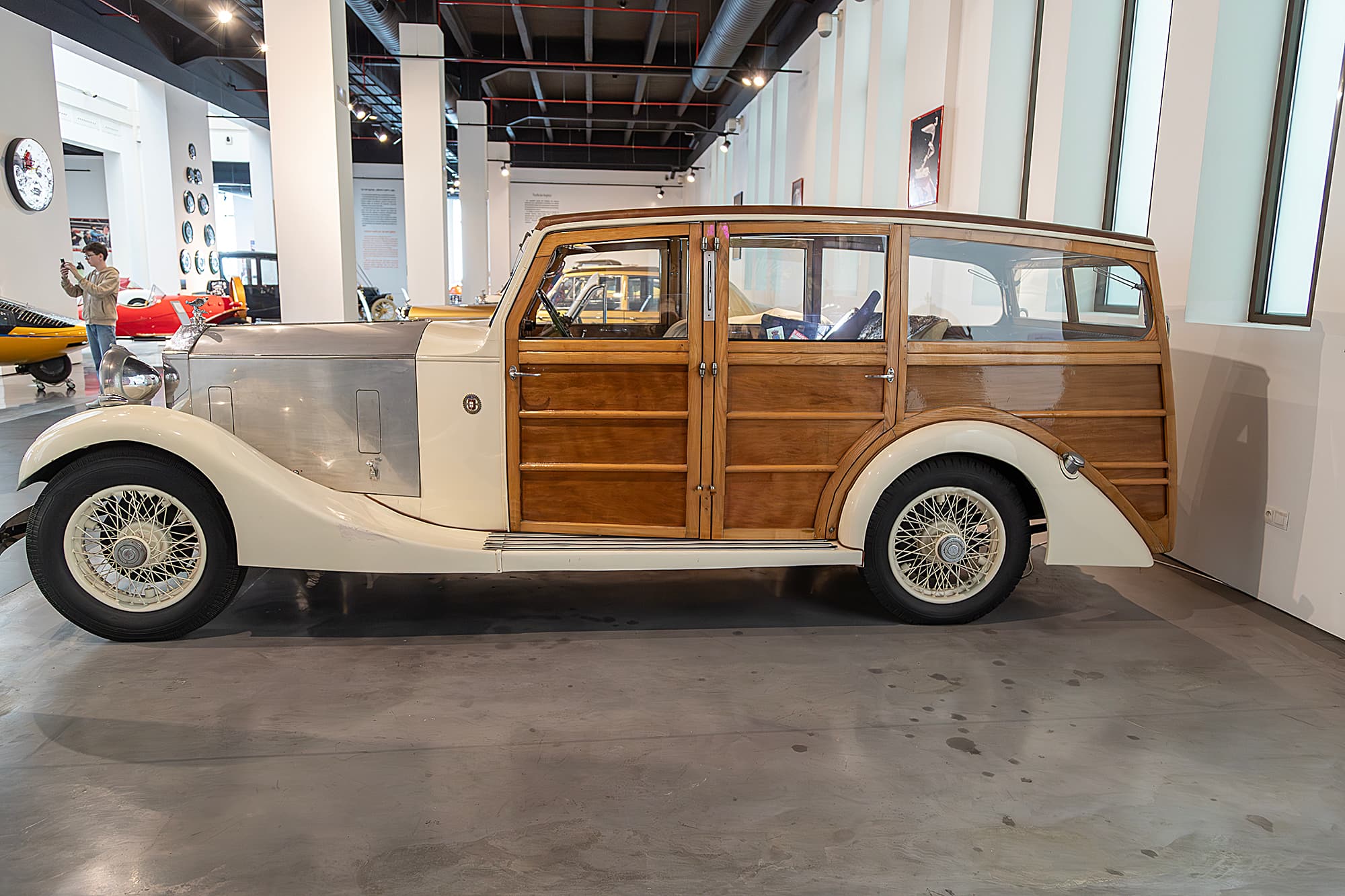
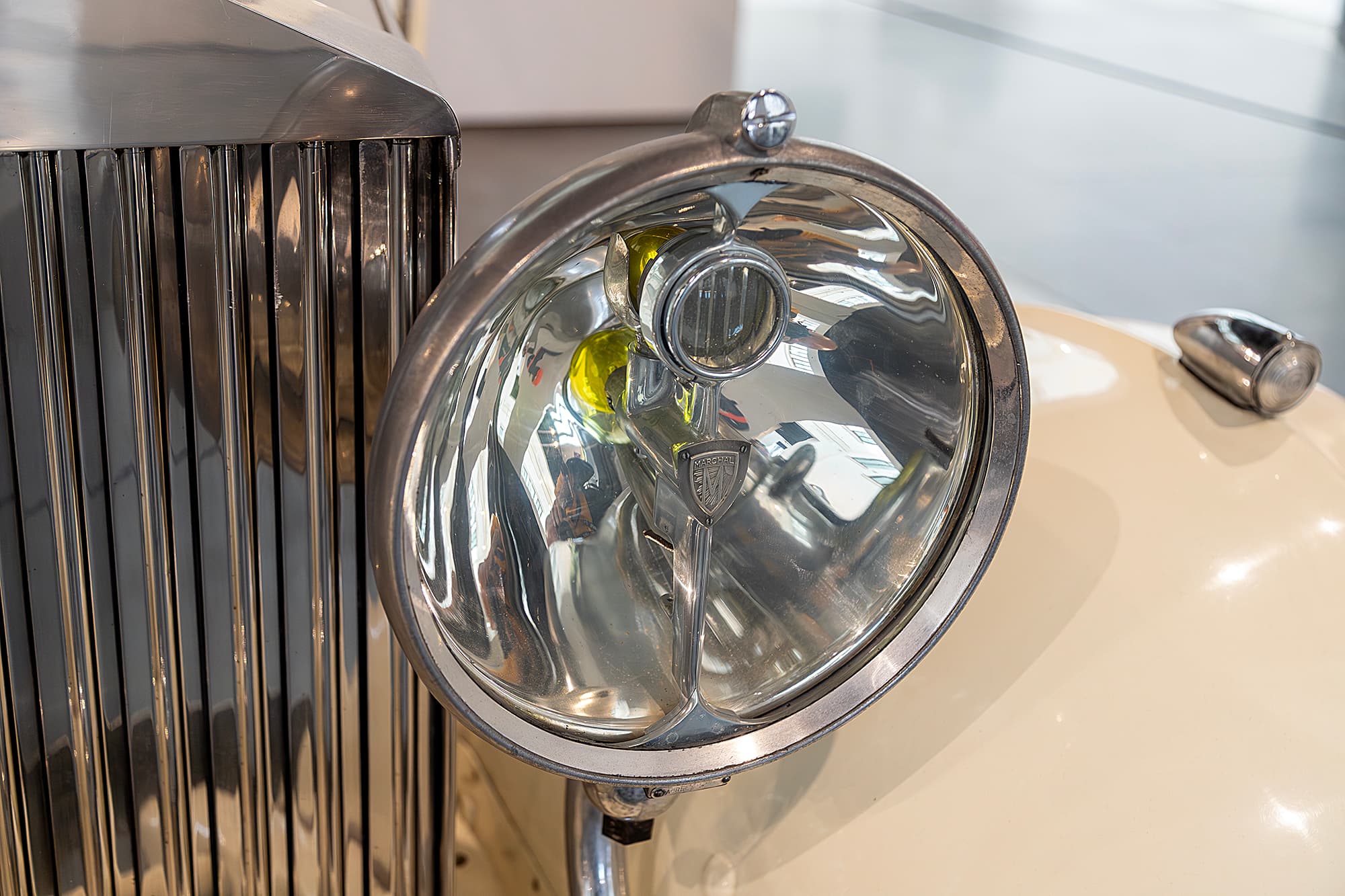
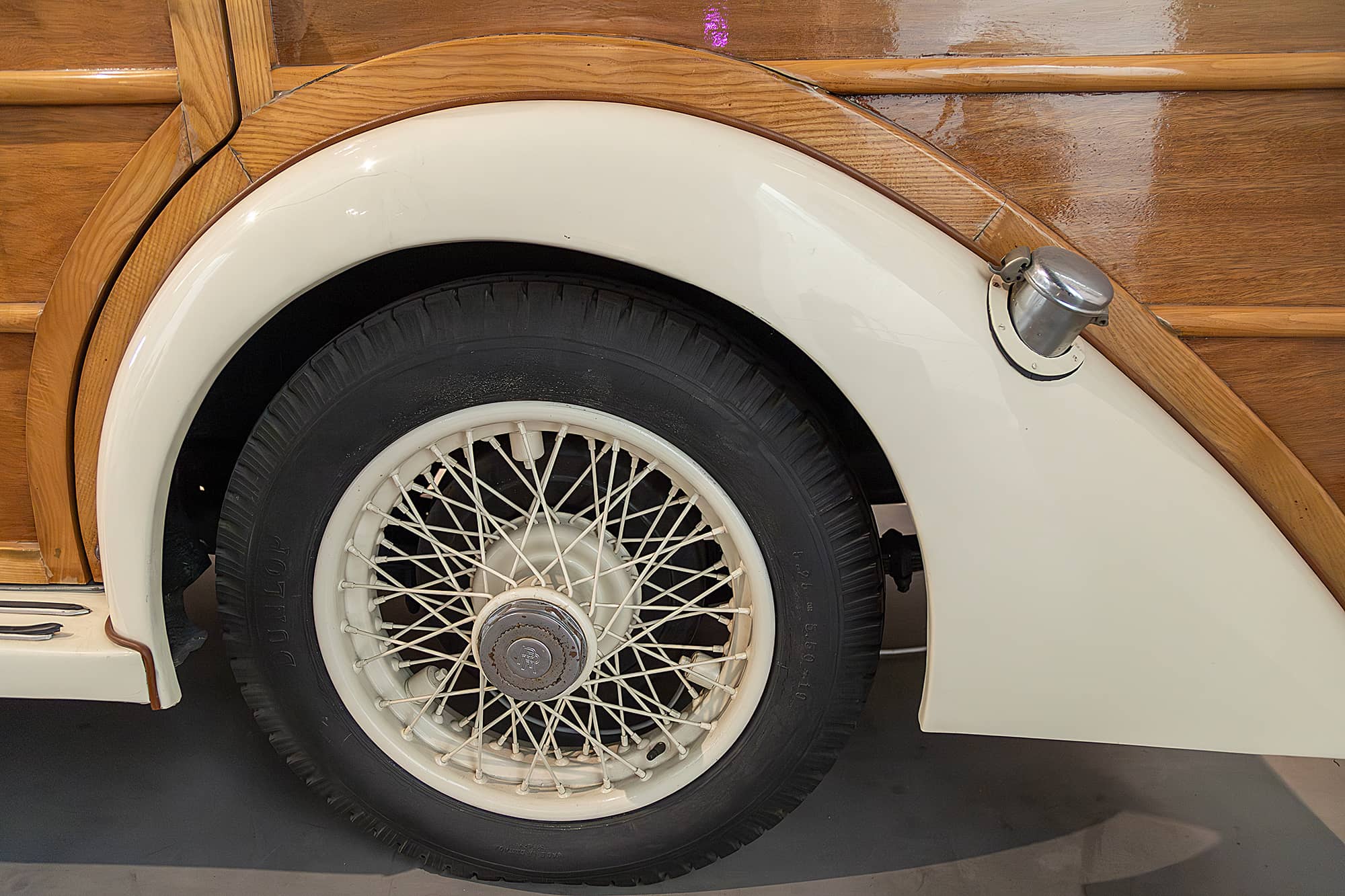
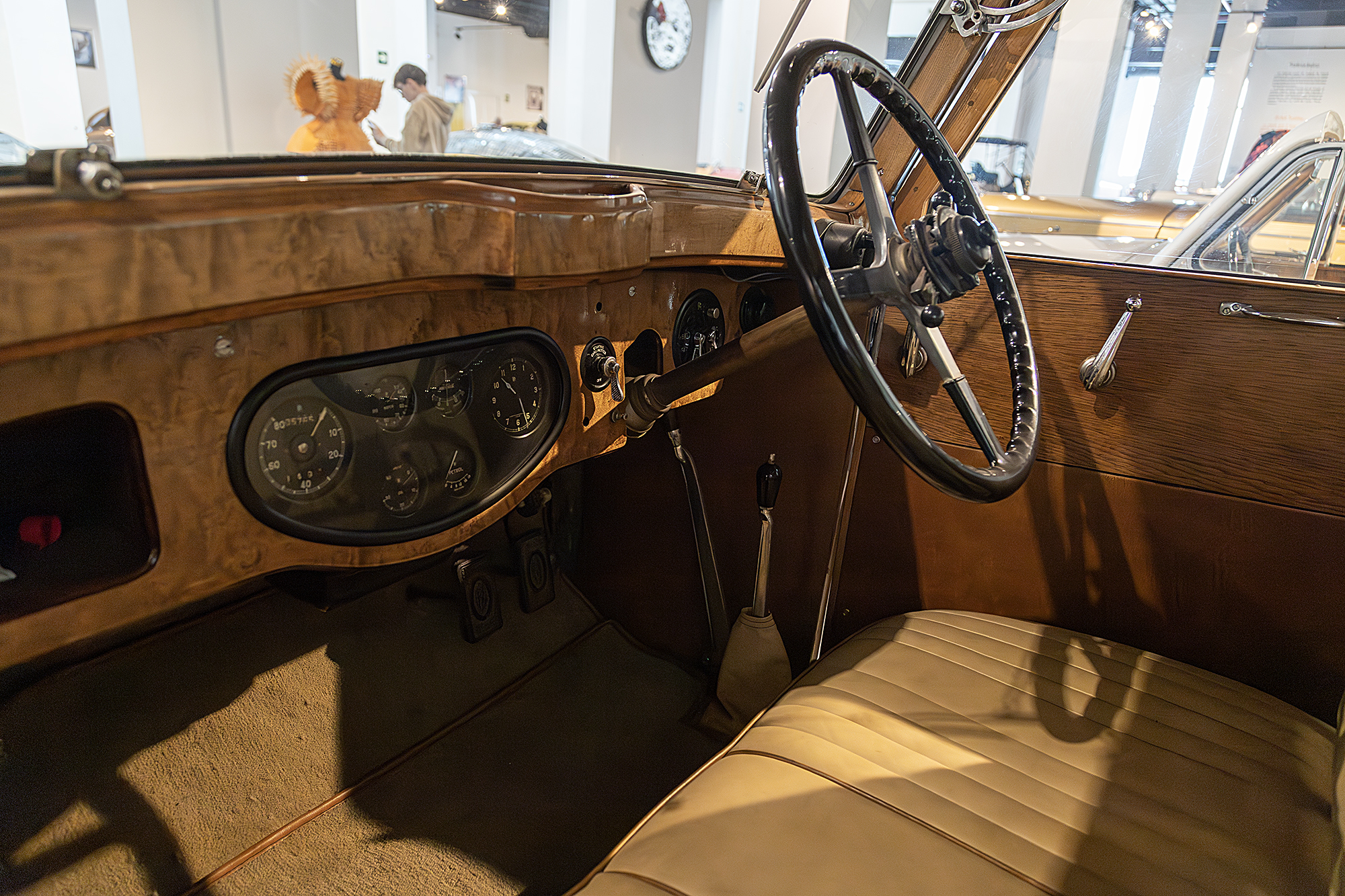
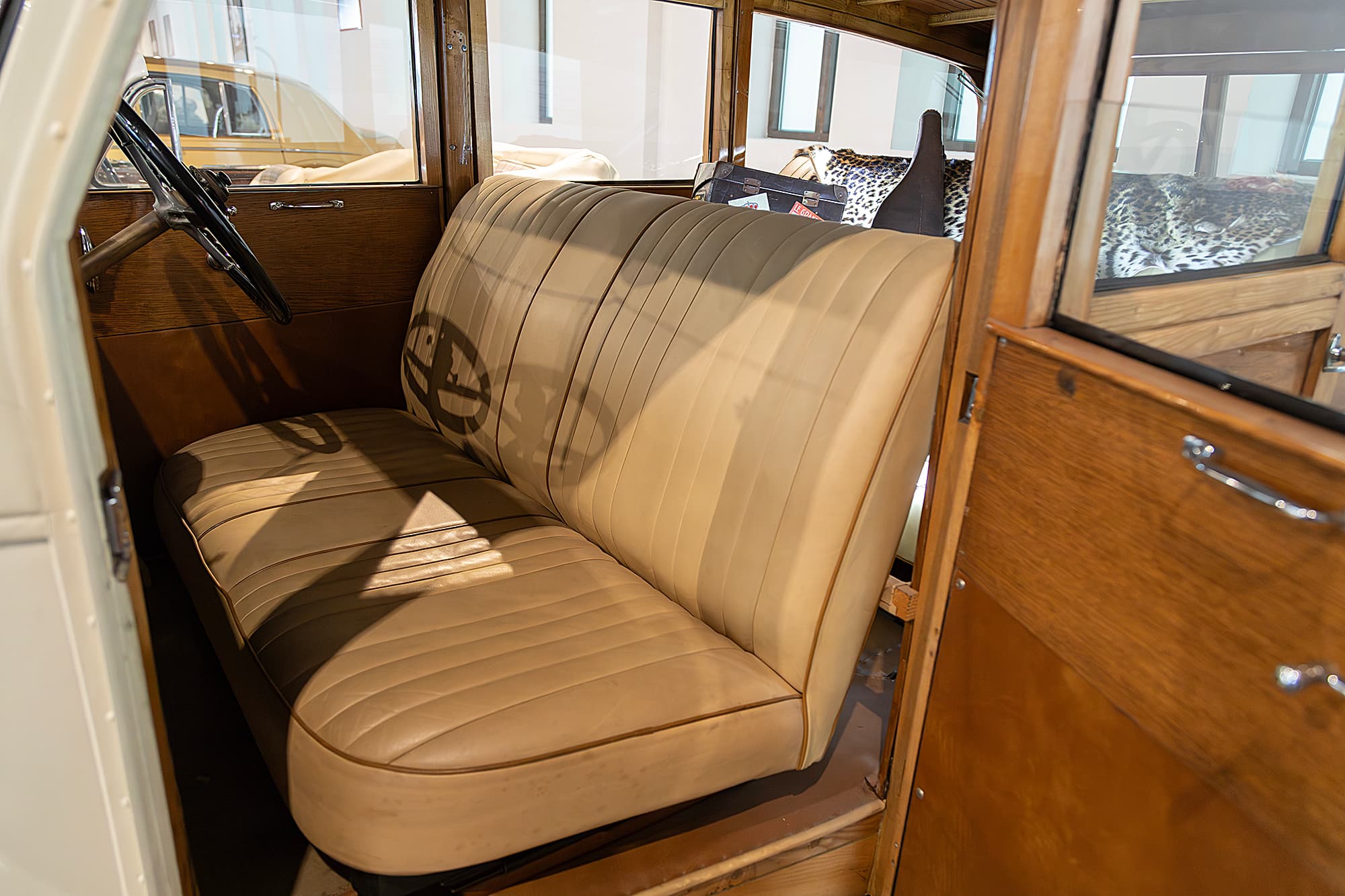
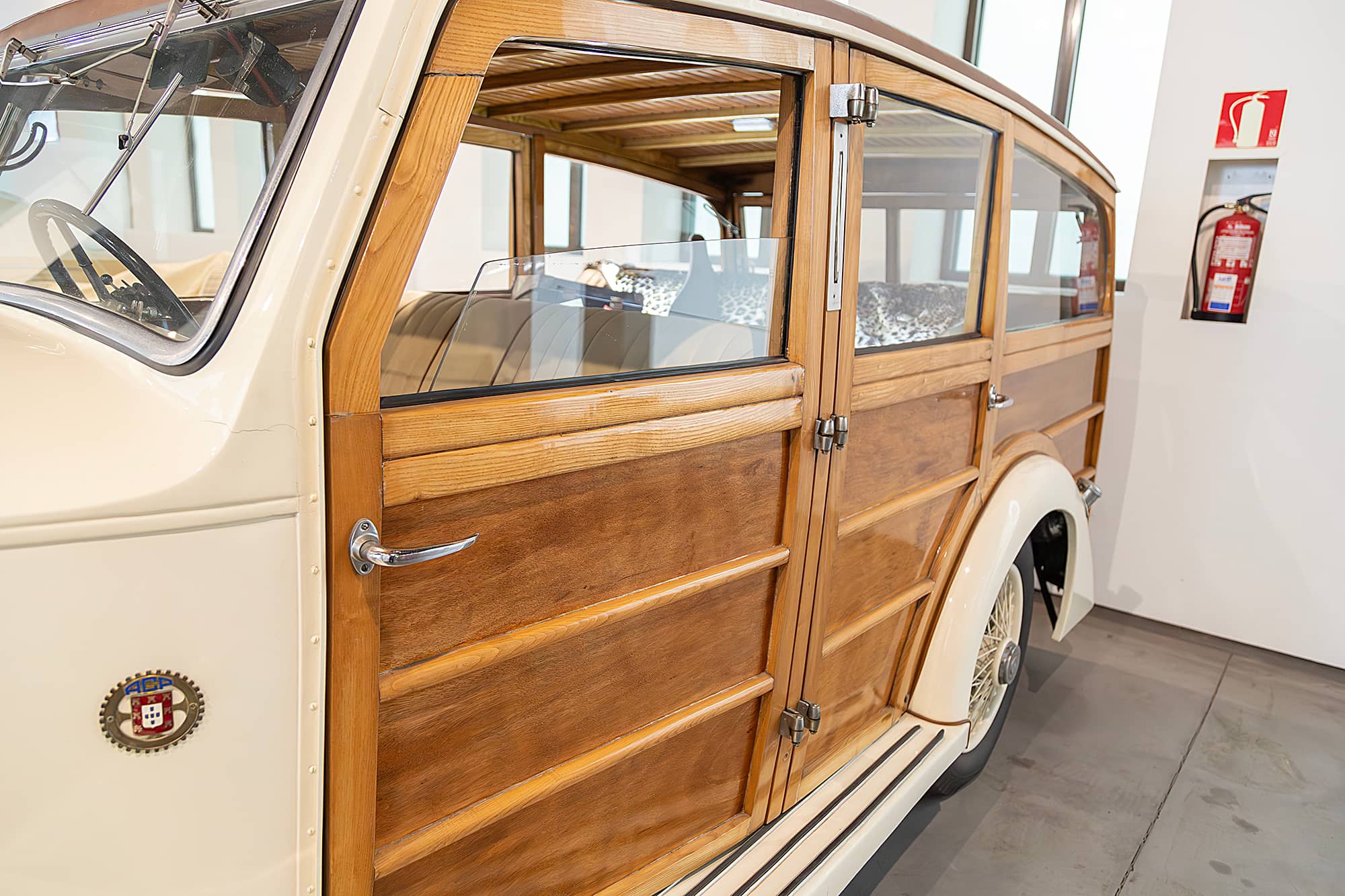
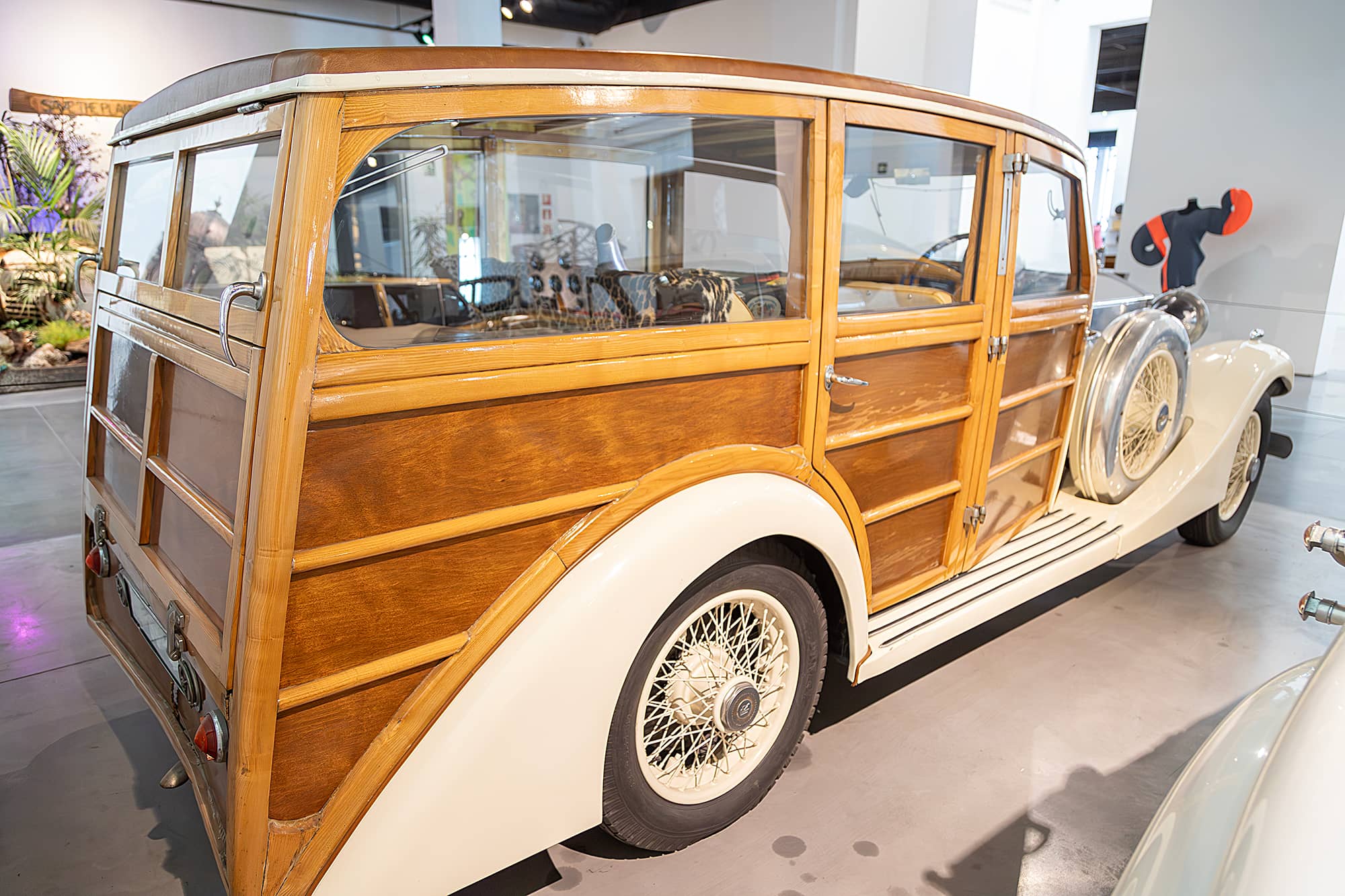
In the 1920s, wealthy individuals would commission bespoke bodies to carry everything they needed for their favourite pastime: hunting. But a decade later, state cars became popular for their practicality and versatility, becoming the forerunners of the family car as we know it today.
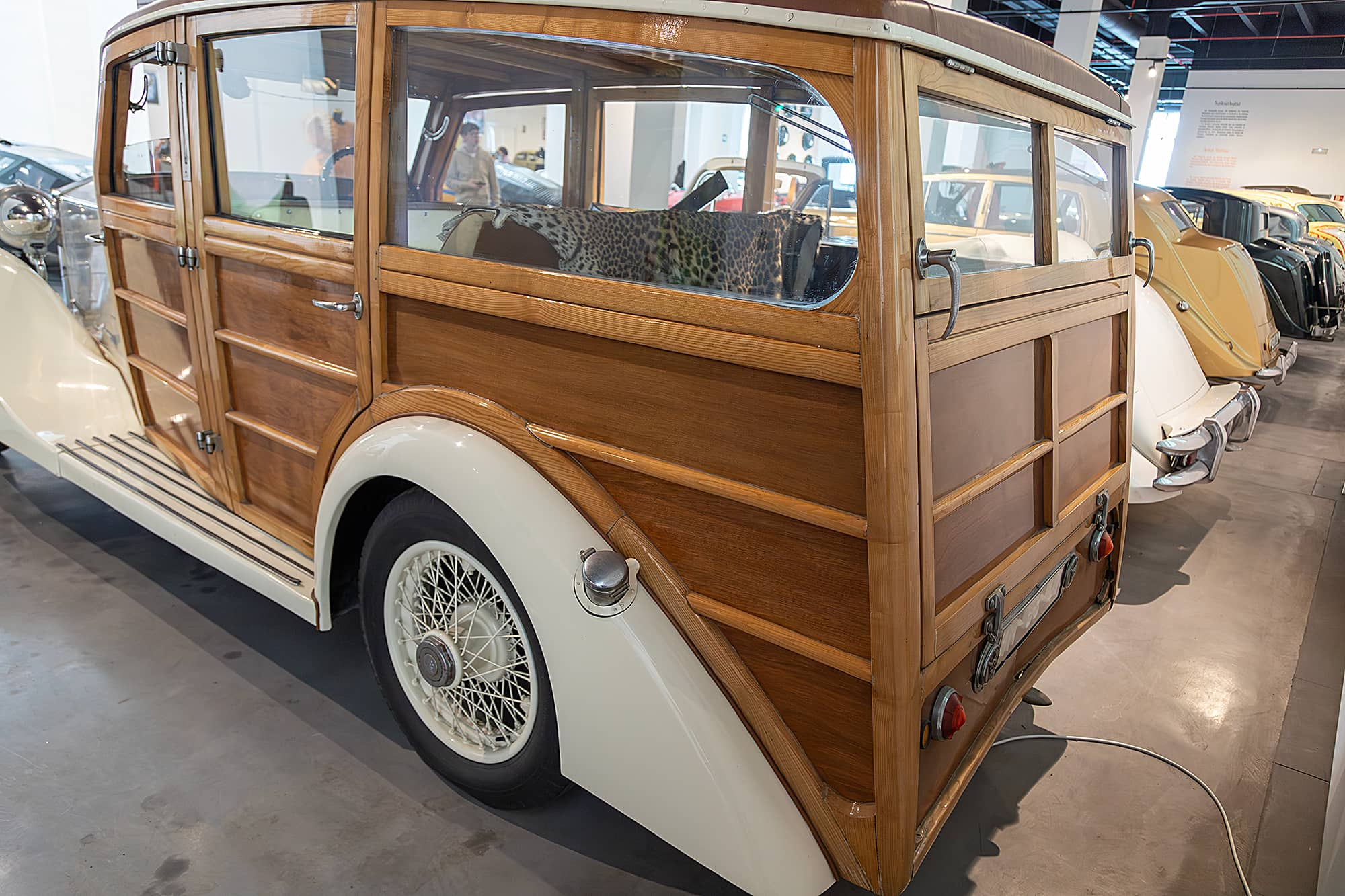
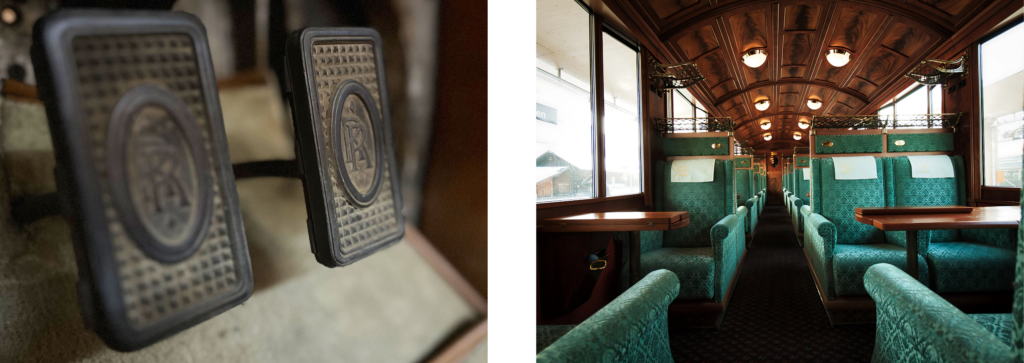
State cars are defined as cars that resemble train carriages and allow the transport of a large number of objects and also the whole family without losing the status of a touring car.
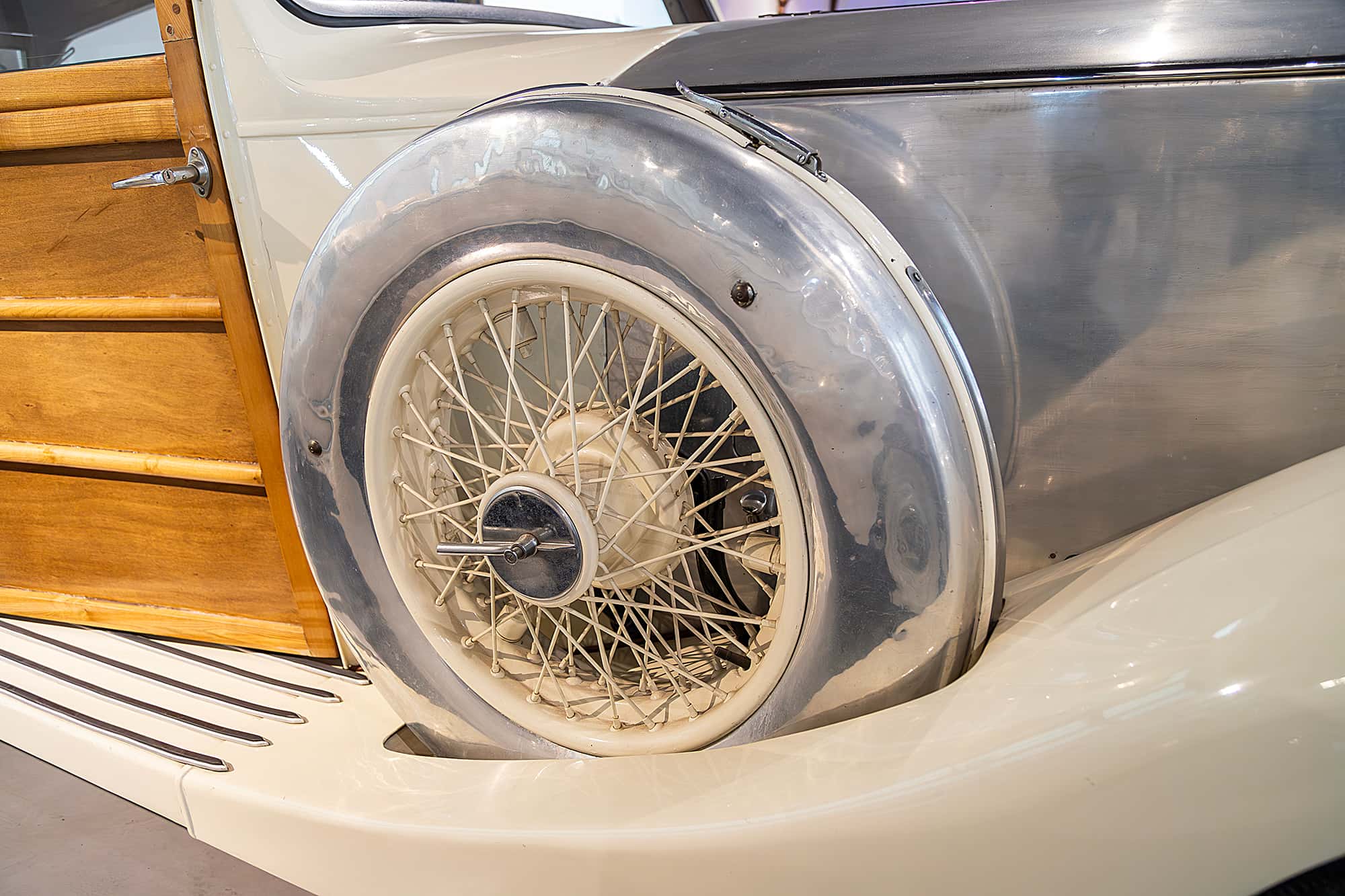
The wooden box included in this model is typical of English cars, where there is a long tradition of hunting. They were added to the bodywork in order to extend the car to the rear and accommodate the dogs.
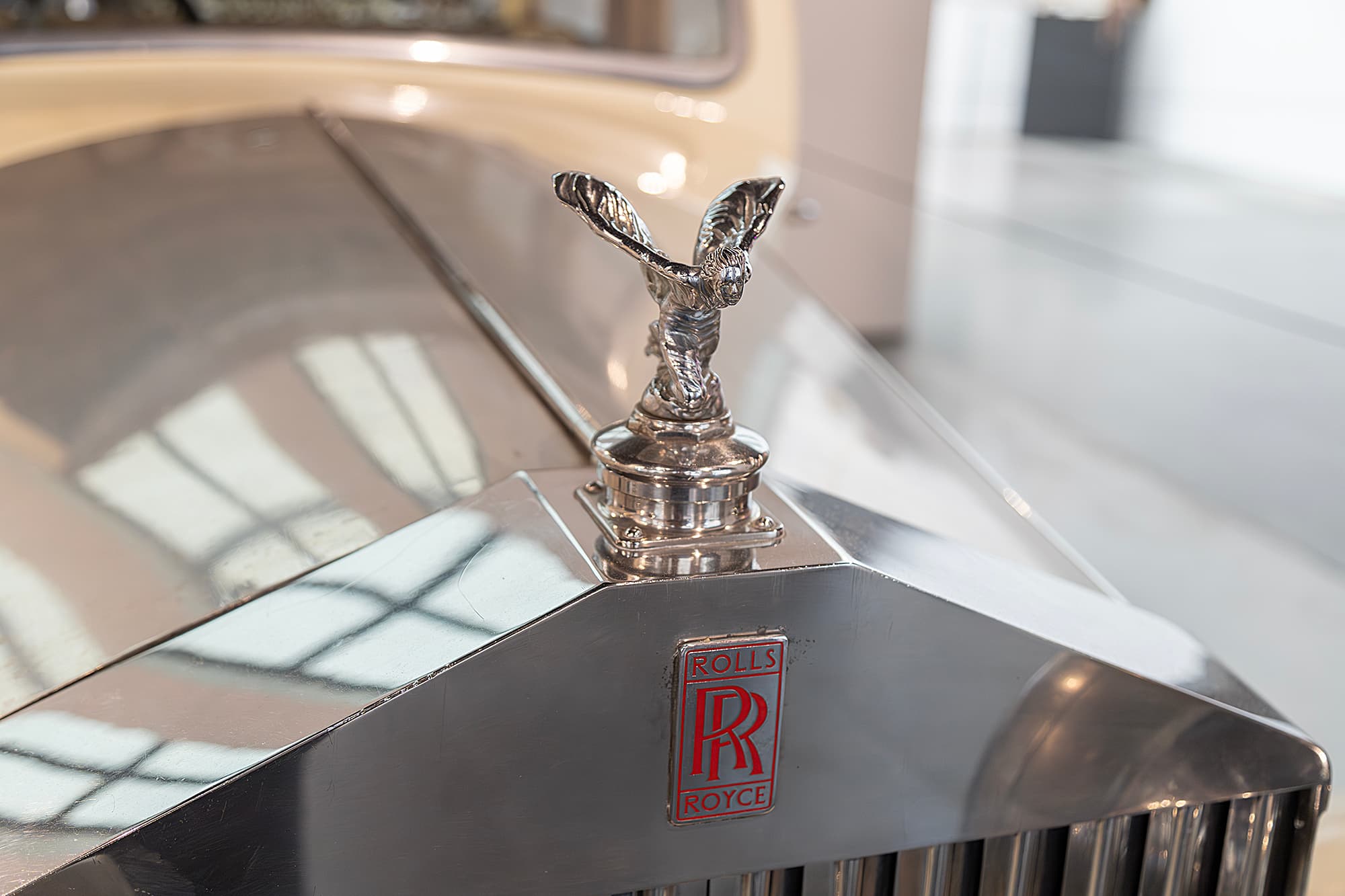
Here, as on the Rolls-Royce Phantom III, we can see that the iconic badge is kneeling. The marque decided to make this design for cars belonging to the British Royal Family.