



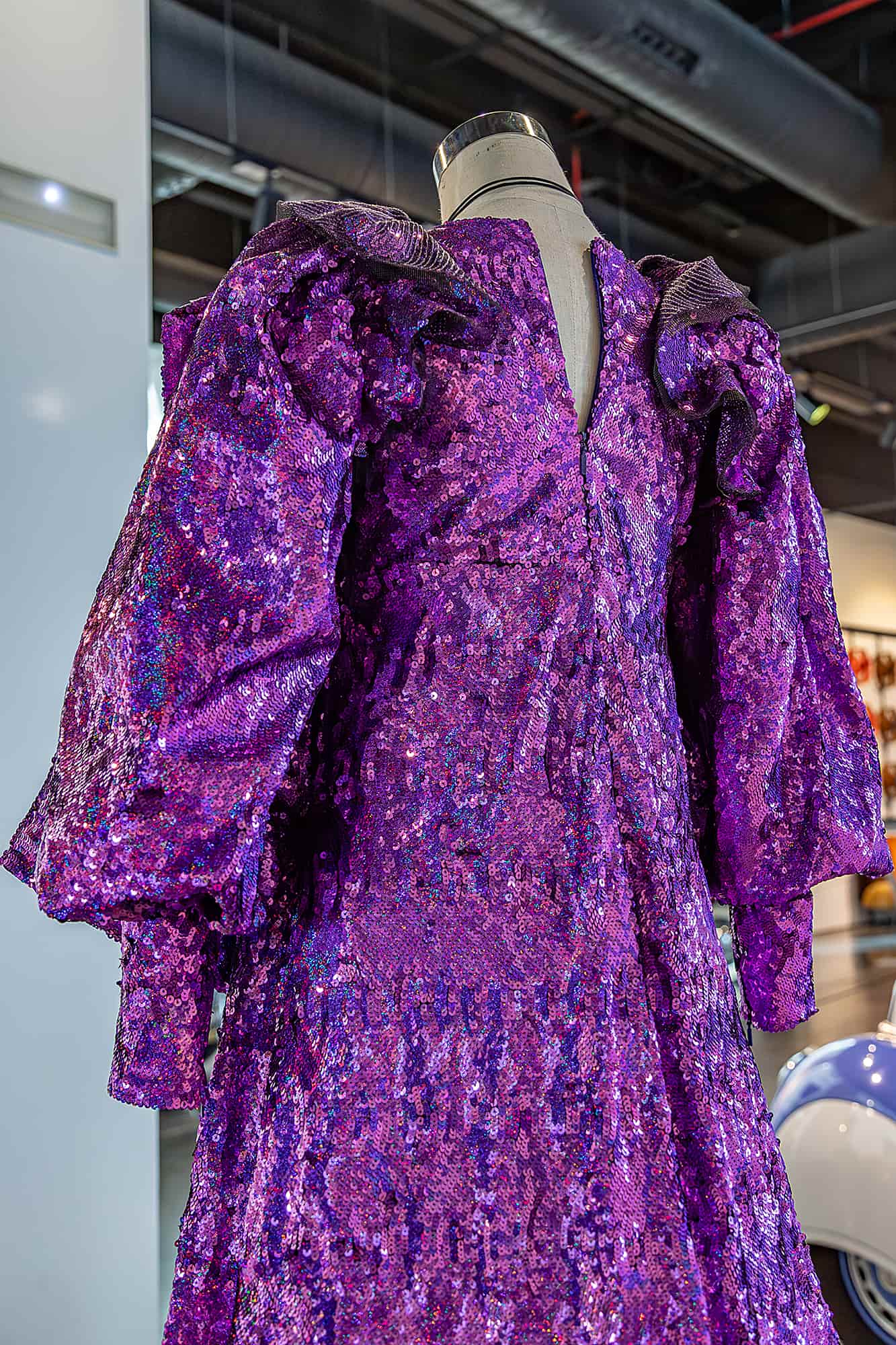
DNA
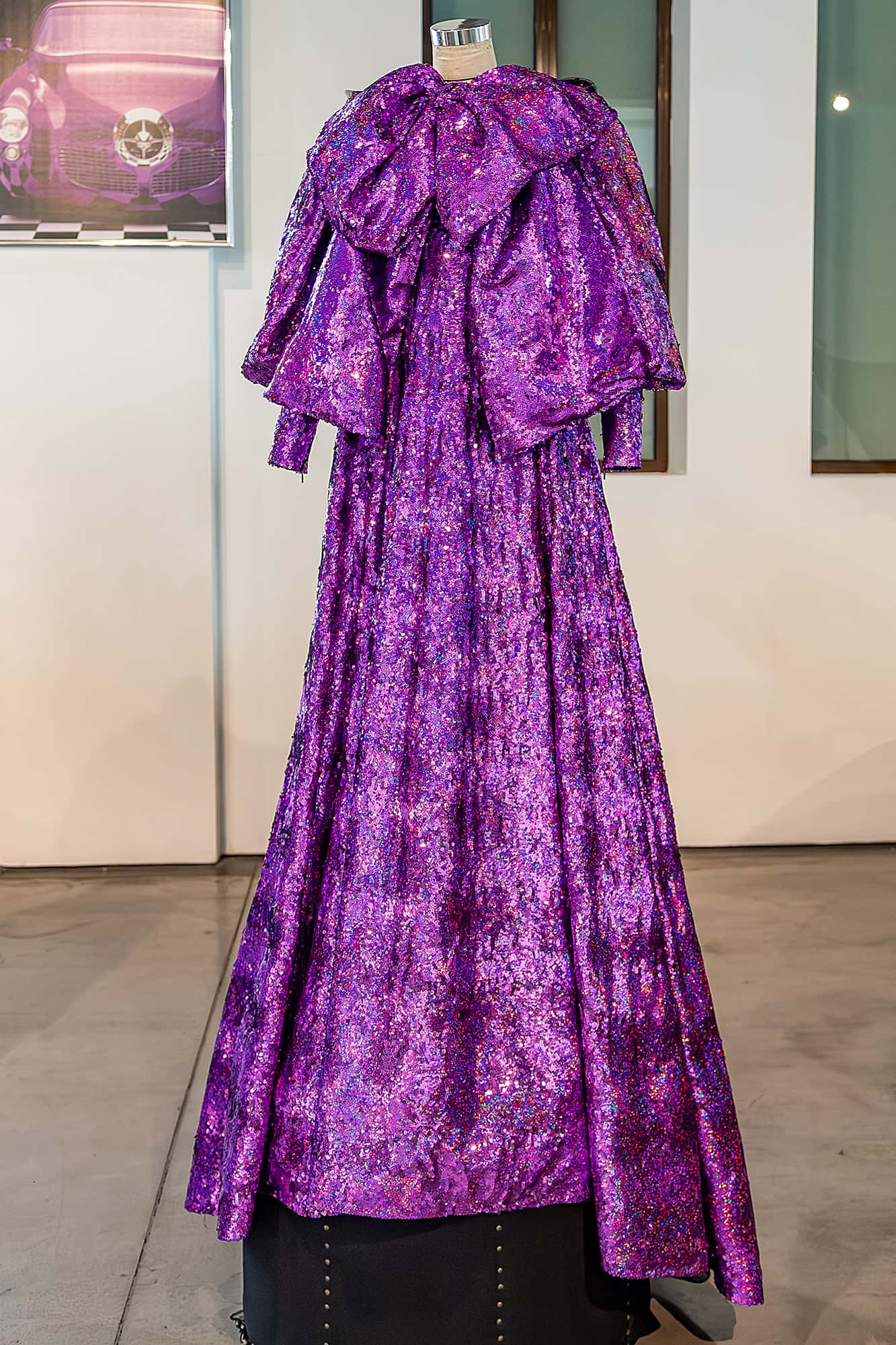
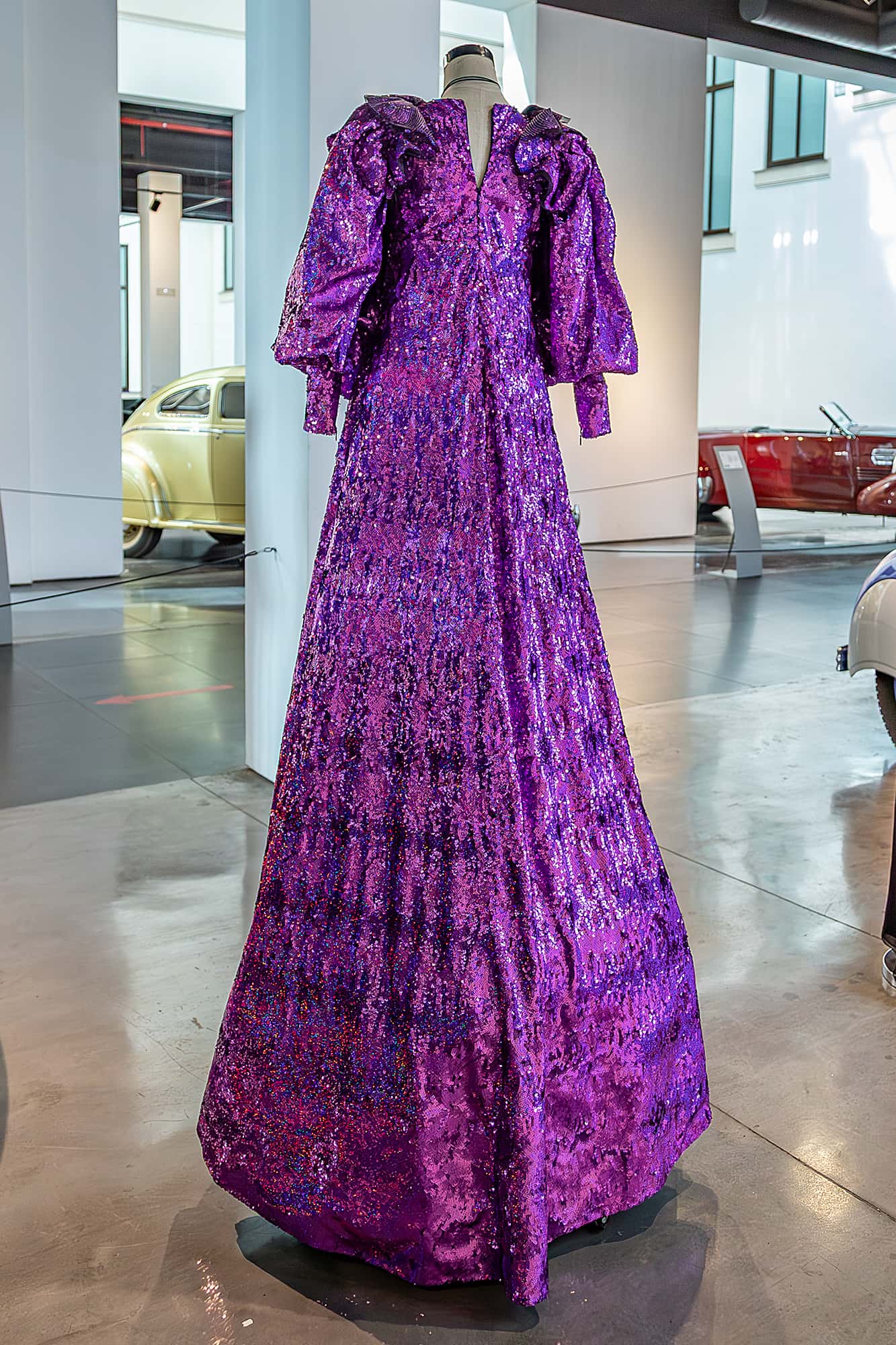
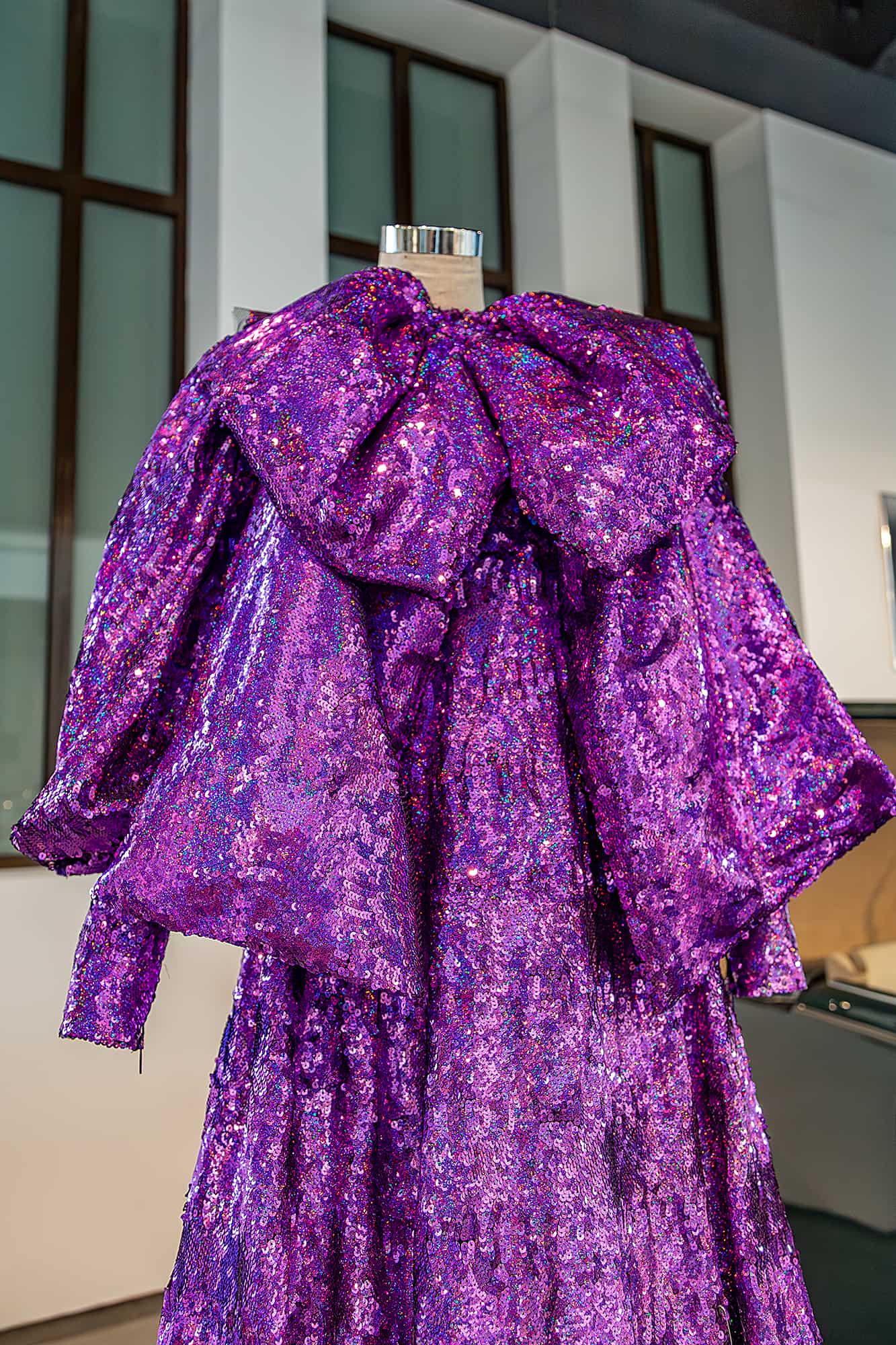
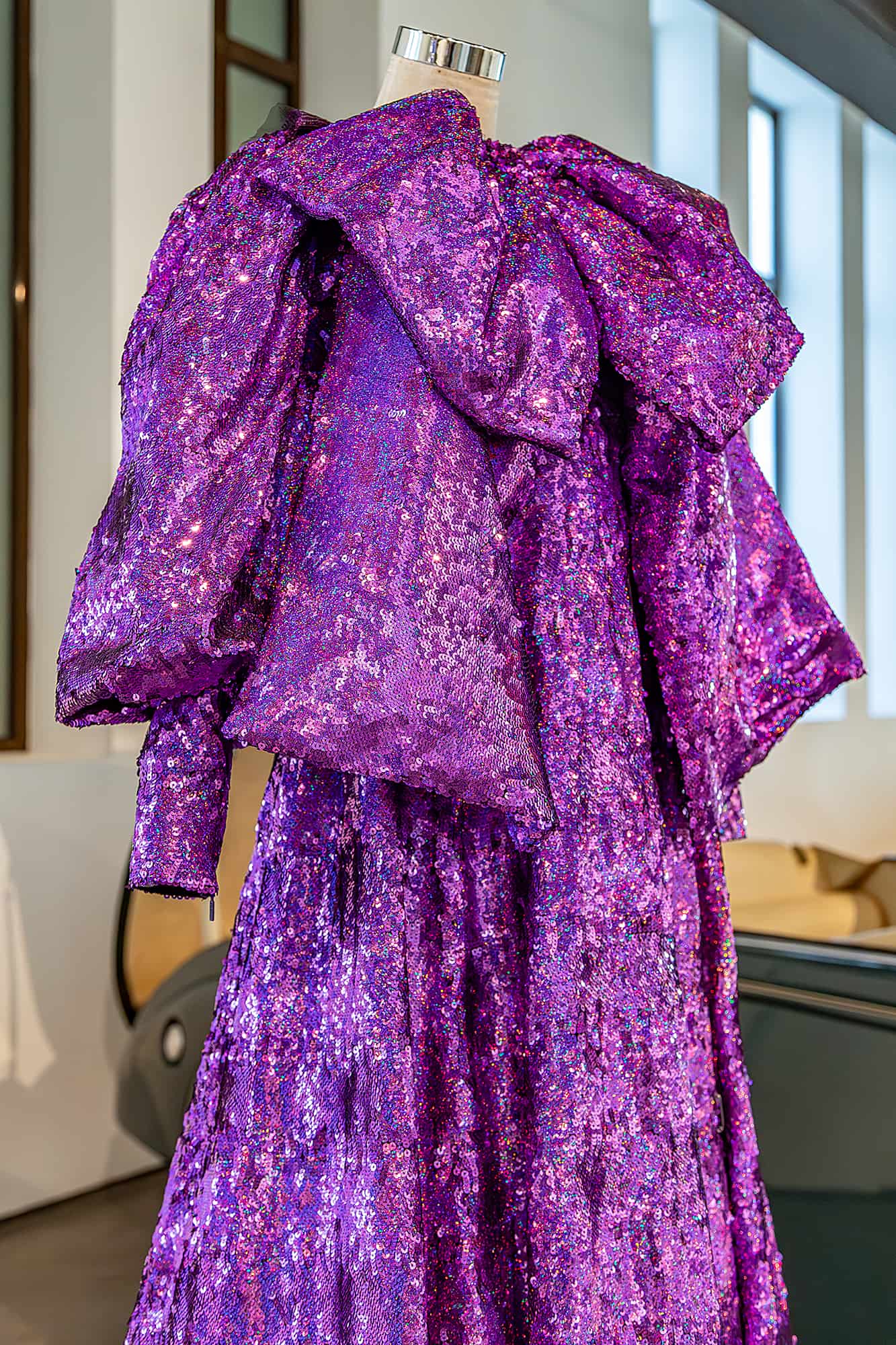
Secondly, we have a dress by Michele, who never hesitates to imprint his theatrical and dreamlike style on his creations. These two designs, from the same house, but from different creative directors, show that, although the style, narrative and execution may vary according to their own touch, it is expected that those codes that make the brand unique are reflected in their collections. In the best cases, the designer and brand will achieve a palpable synergy and their period will go down in history alongside their creations.
This balance between innovation and respect for the brand’s identity is what allows a fashion house to remain relevant without losing its essence, ensuring that its DNA endures over time and continues to impact new generations.
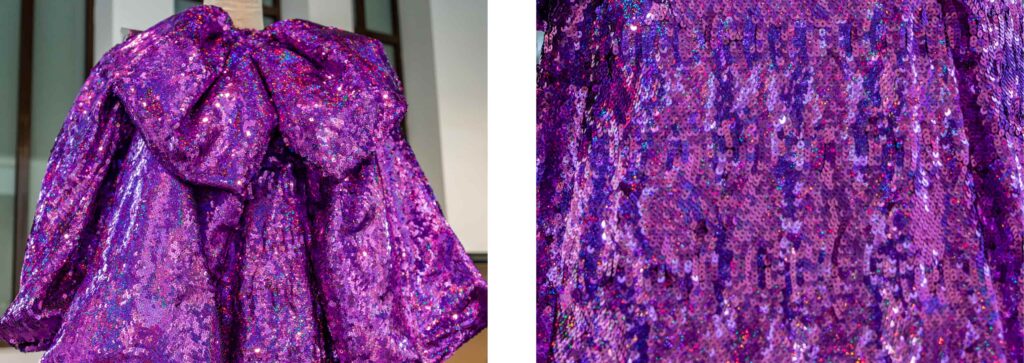
This outfit is Look #68 from ‘Gucci Hallucination’, a collection that also complements the advertising campaign, which reimagines iconic paintings such as John Everett Millais’ “Death of Ophelia” and John William Waterhouse’s “The Mermaid”, but integrates the looks. This particular look is integrated into Michelle’s reinterpretation of Bosch’s ‘Garden of Earthly Delights’.

In 2018, Alessandro Michele established himself as the creative force behind Gucci, after taking over as creative director in 2015. His eclectic, maximalist vision transformed the Italian house’s aesthetic, opting for a bold mix of historical references, pop culture, vintage elements and a gender-fluid approach that broke with traditional luxury norms.