





The Swinging Sixties
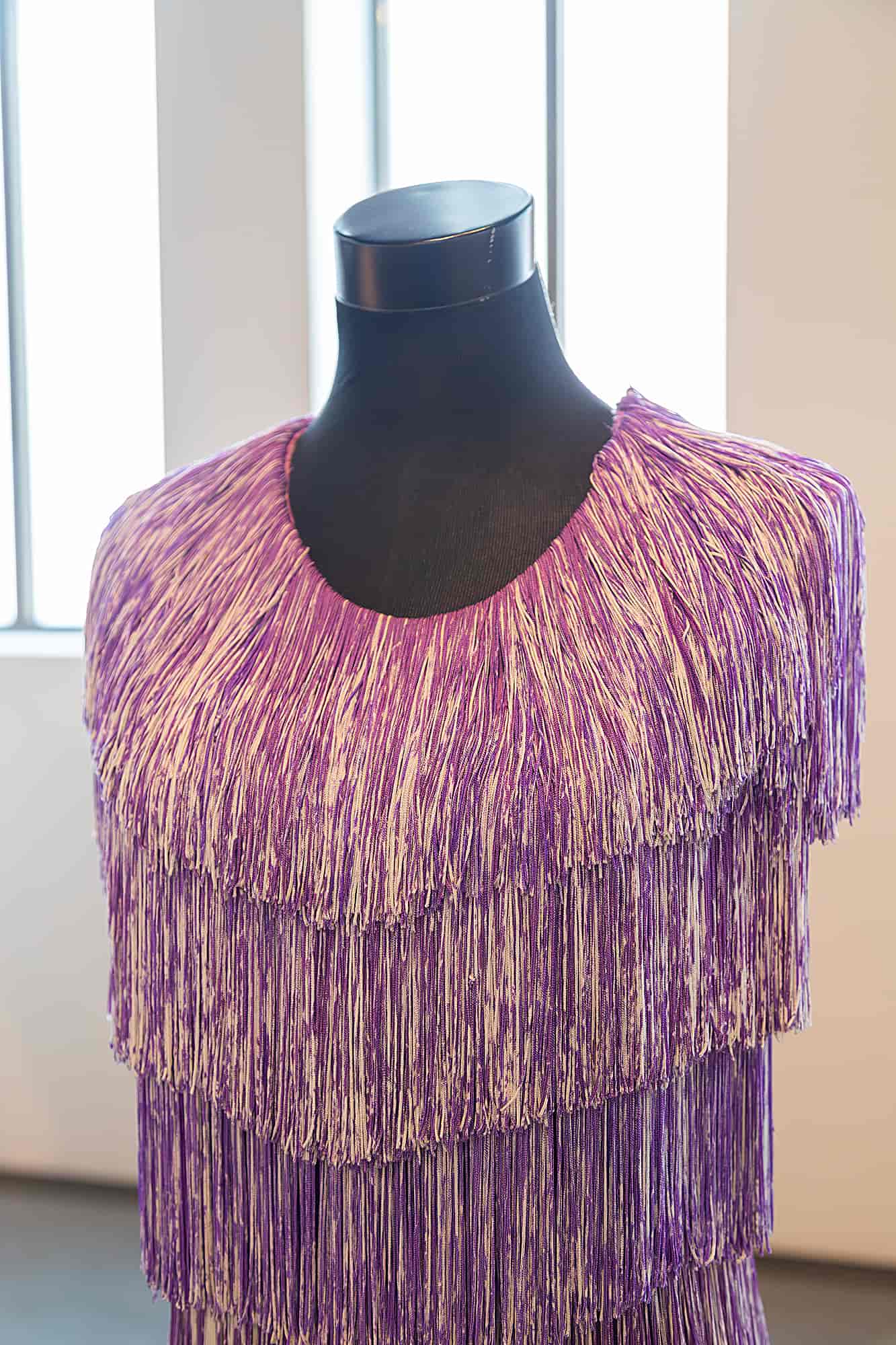
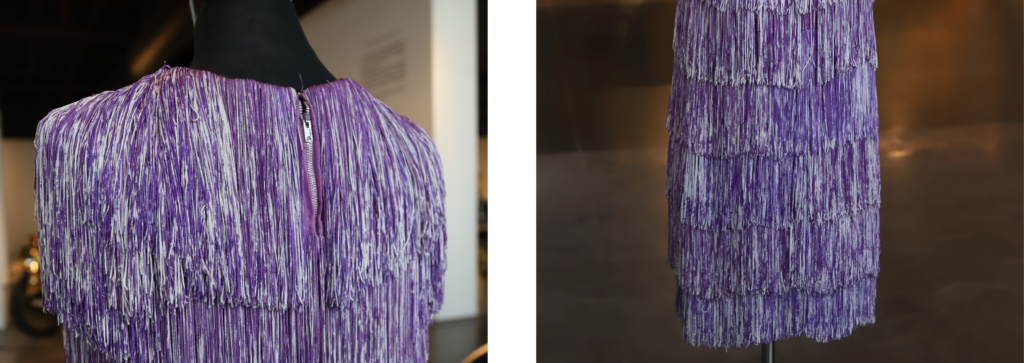
Like a window into the future, this dress shows us how, with a different war but the same impetus of a youth fighting for structural change, the impact and influence of the 1920s would have a resurgence in the 1960s. Saint Laurent’s trapeze silhouette and the mini-skirts of Courrèges and Quant are a clear evolution of the flapper style, which pursued, along with short garçon hair, liberation, equity and justice.
Yves Saint Laurent was the first haute couture designer to launch a ready-to-wear collection. In 1965, he opened his boutique ‘Saint Laurent Rive Gauche’, revolutionising the industry by making designer fashion more accessible. This decision marked the beginning of the modern concept of luxury brands with ready-to-wear clothing lines, something that is now commonplace in all major fashion houses.

Yves Saint Laurent is a couturier and fashion designer known for his memorable designs inspired by the paintings of important artists of the time, such as Mondrian and Andy Warhol. His work as creative director of Dior gave him a name as a designer who, in 1961, created his own eponymous firm. The firm was run by his other half, Pierre Bergé, whom he met at Christian Dior’s funeral.
The designer created his own firm with the intention of bringing fashion to the street and to young people. In 1966, he opened his first ready-to-wear shop to present a clothing line that developed based on student revolts and sexual liberation. Yves dominated the 60s and 70s, before refining his style in the 80s with the intention of ‘liberating women’, putting their clothes on a par with those of men.