



The culottes
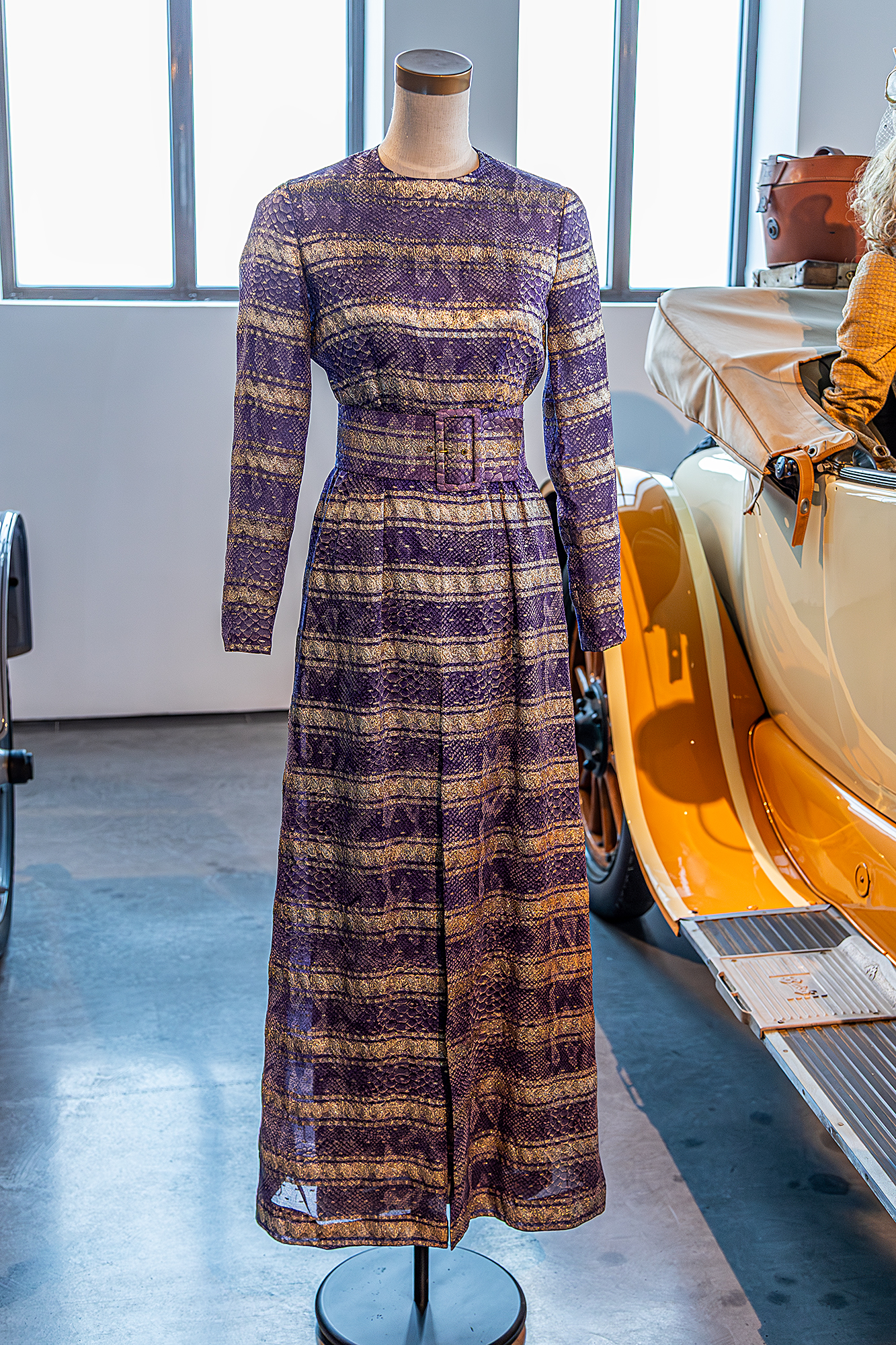
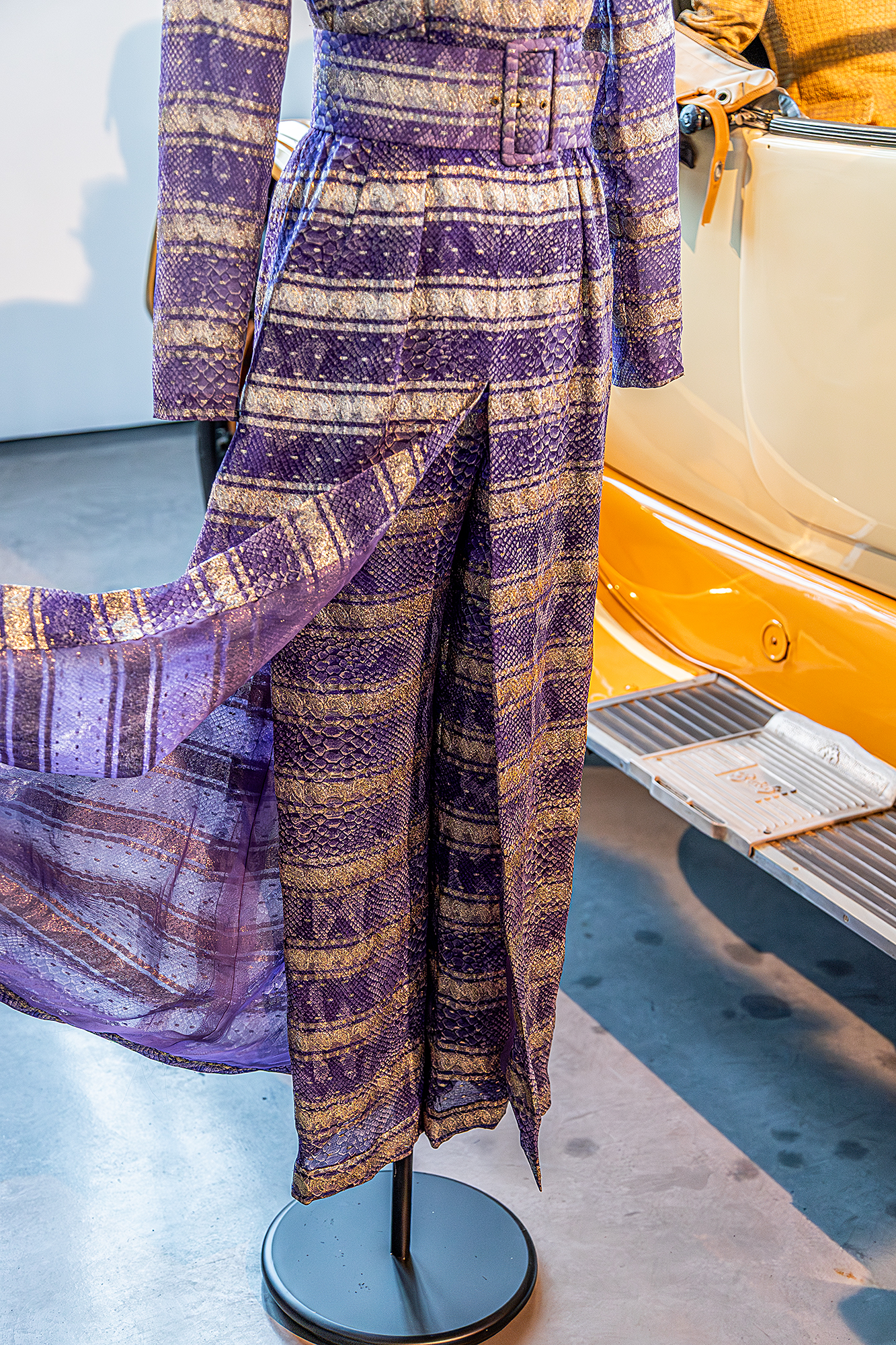
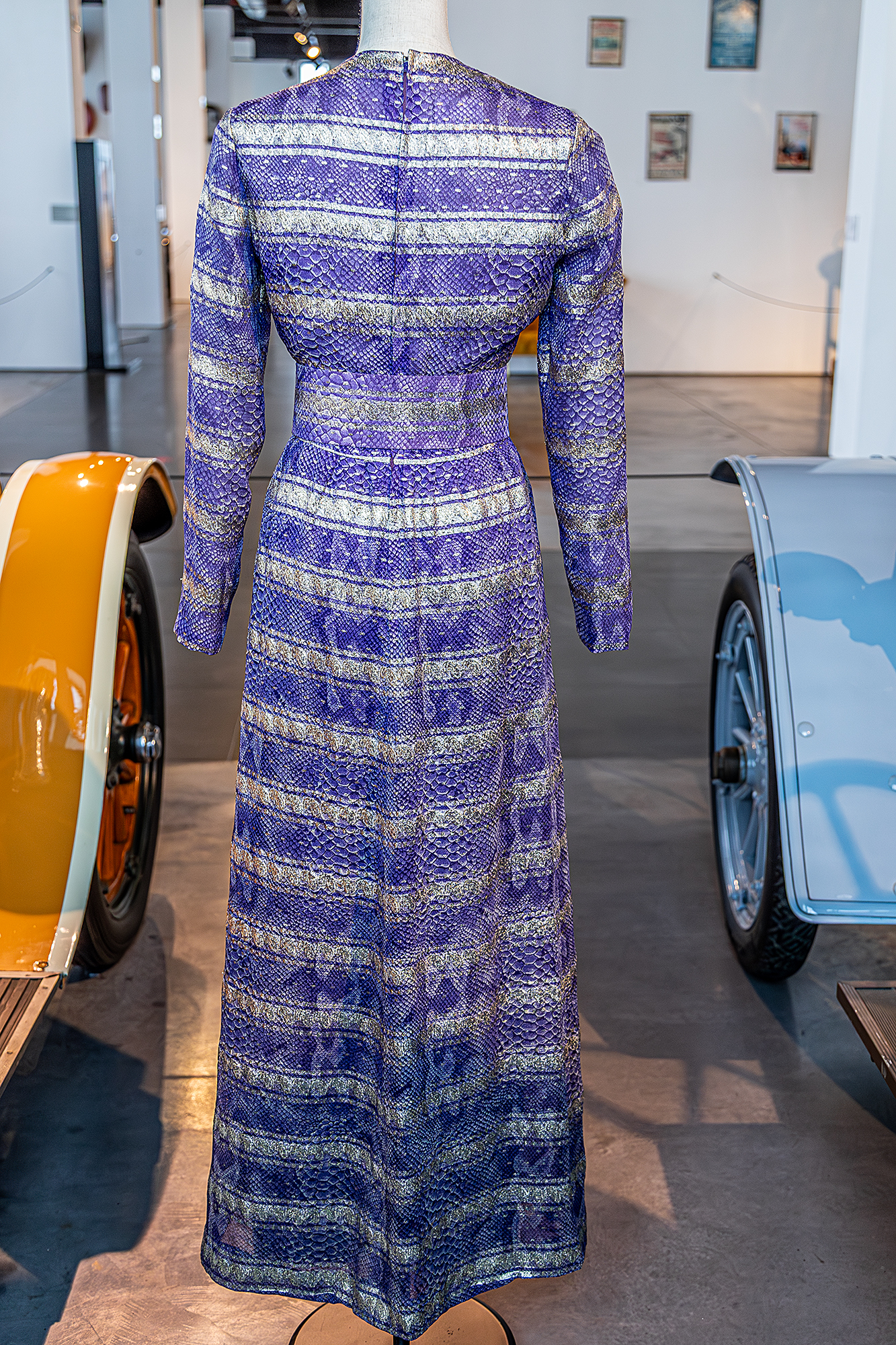
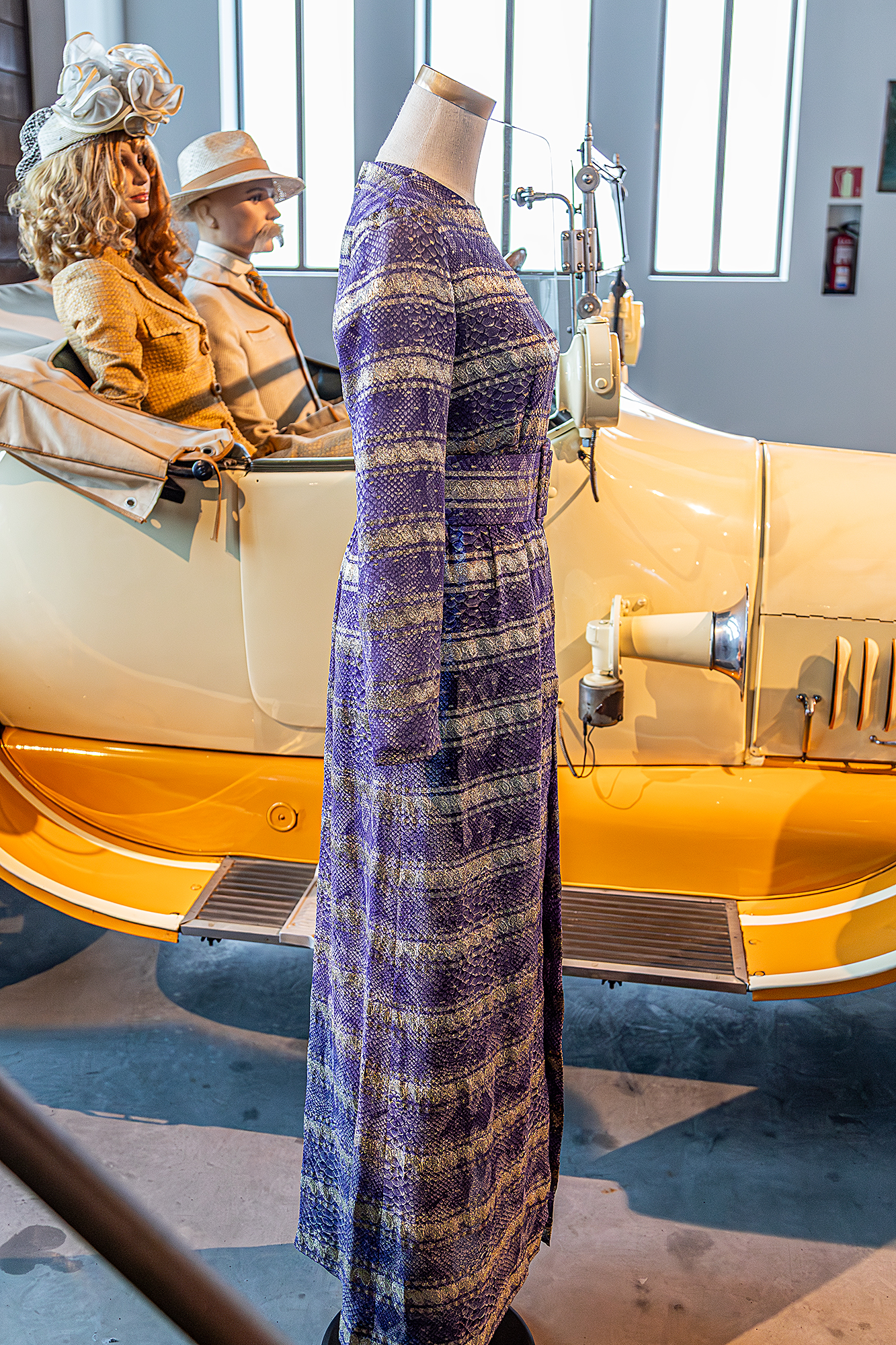
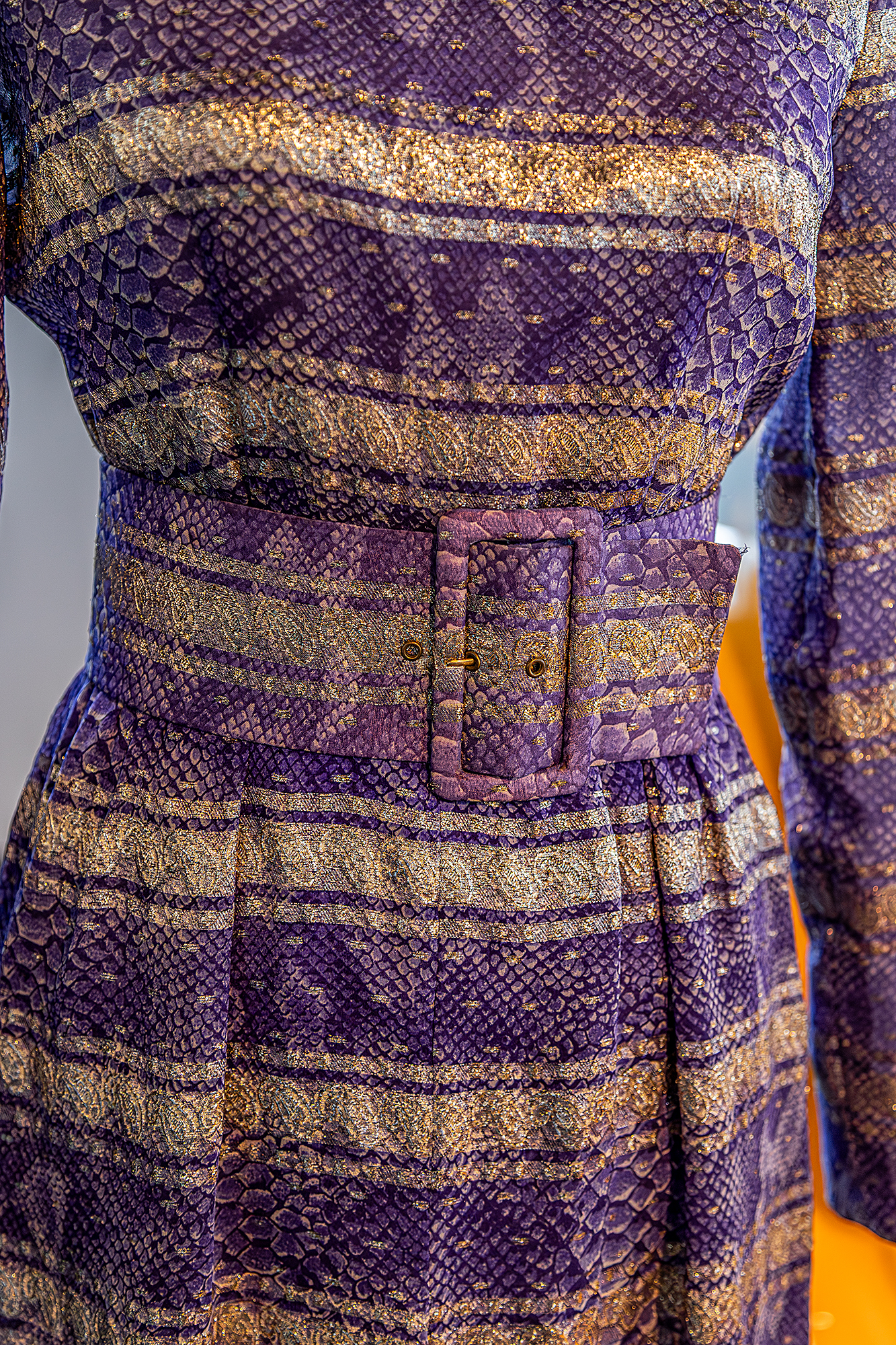
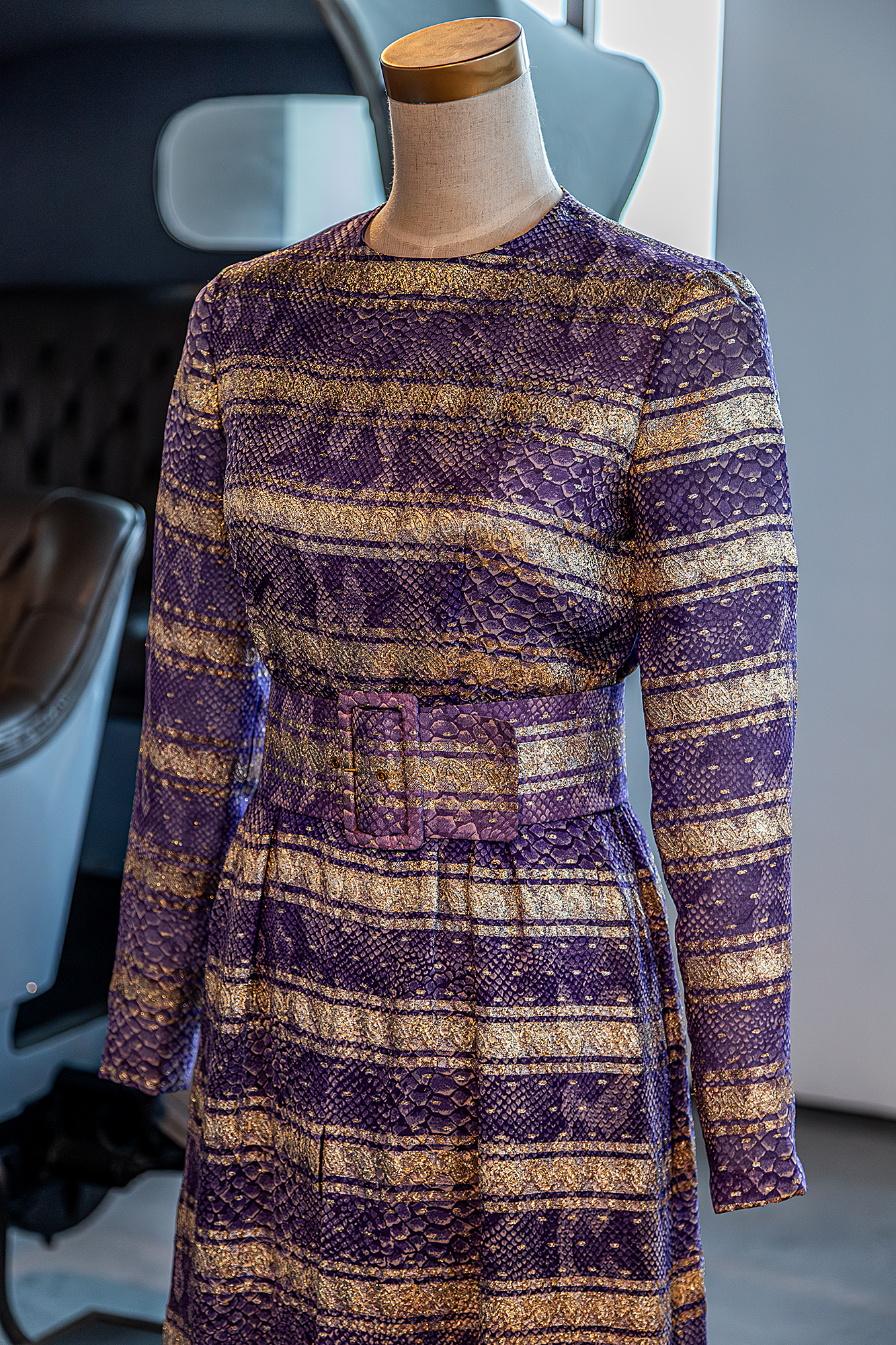
This jumpsuit, created by Hubert de Givenchy, illustrates the significance of this garment throughout history.
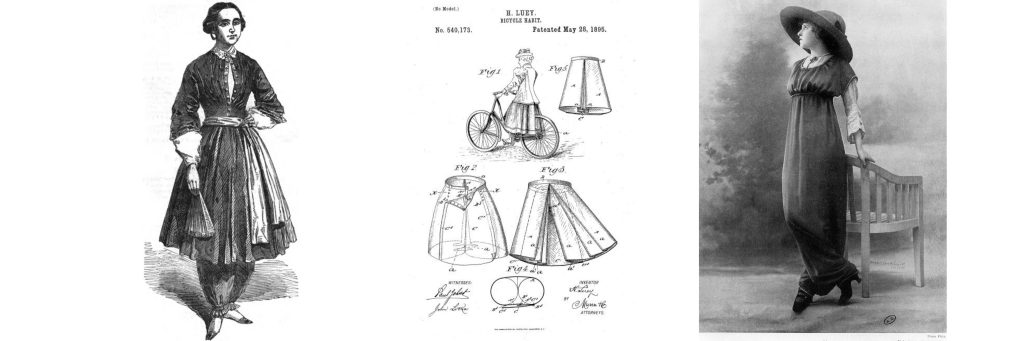
Around 1850, Amelia Bloomer, editor of the newspaper ‘The Lily’, popularized ‘bloomers’, an outfit devised by suffragist Elizabeth Smith Miller that combined Turkish-inspired baggy trousers (şalvar) with a knee-length overskirt. This style would evolve in its own way, taking on forms that we still see today.
Later, in 1895, inventor and designer Herbert Luey patented a garment that, while appearing to be a skirt, actually concealed separate trouser legs.
In 1911, Poiret introduced a version that caused a major scandal. Thus, the culotte, or skirt-trouser, gradually made its way into the world of fashion, eventually securing a firm place in the female wardrobe.
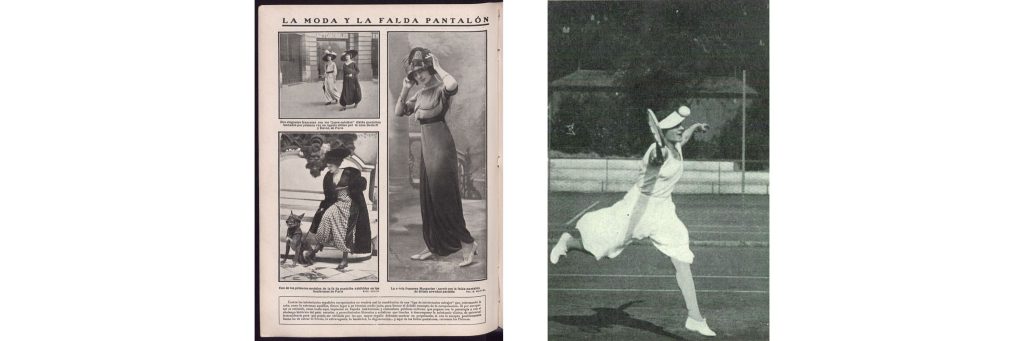
– The debut of the culottes was not without controversy. In Spain, the newspaper “La Correspondencia de España” conducted a survey among its women readers and received a total of 1.389 letters. Of these, 980 women were against the culottes, 382 were in favor, and 27 remained undecided.
– In 1931, Lilí Álvarez, an athlete, writer, and the first Spanish woman to compete in the Olympics, became the first tennis player to wear a culotte, first at Roland Garrós and later at Wimbledon. The garment she wore was designed by Elsa Schiaparelli.
Hubert de Givenchy (1927–2018) was a French designer whose refined elegance made him one of the great names in 20th-century haute couture.
He founded his house in 1952 and soon distinguished himself with a fashion vision that combined sobriety, purity of lines, and understated luxury. Among his most iconic contributions is the creation of the “Bettina blouse,” which marked the beginning of his fresh, modern style.