




The authentic ‘couturier’
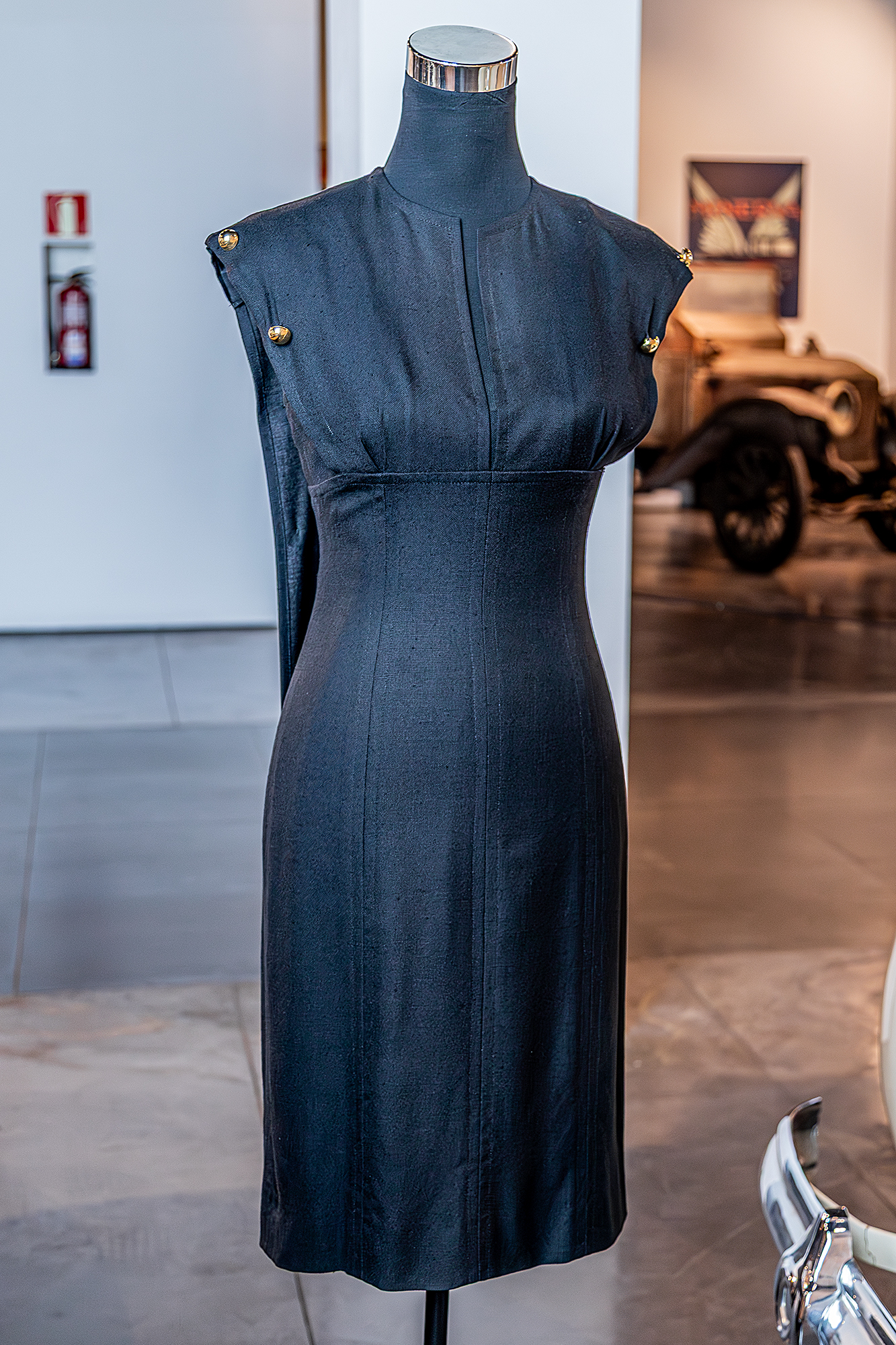
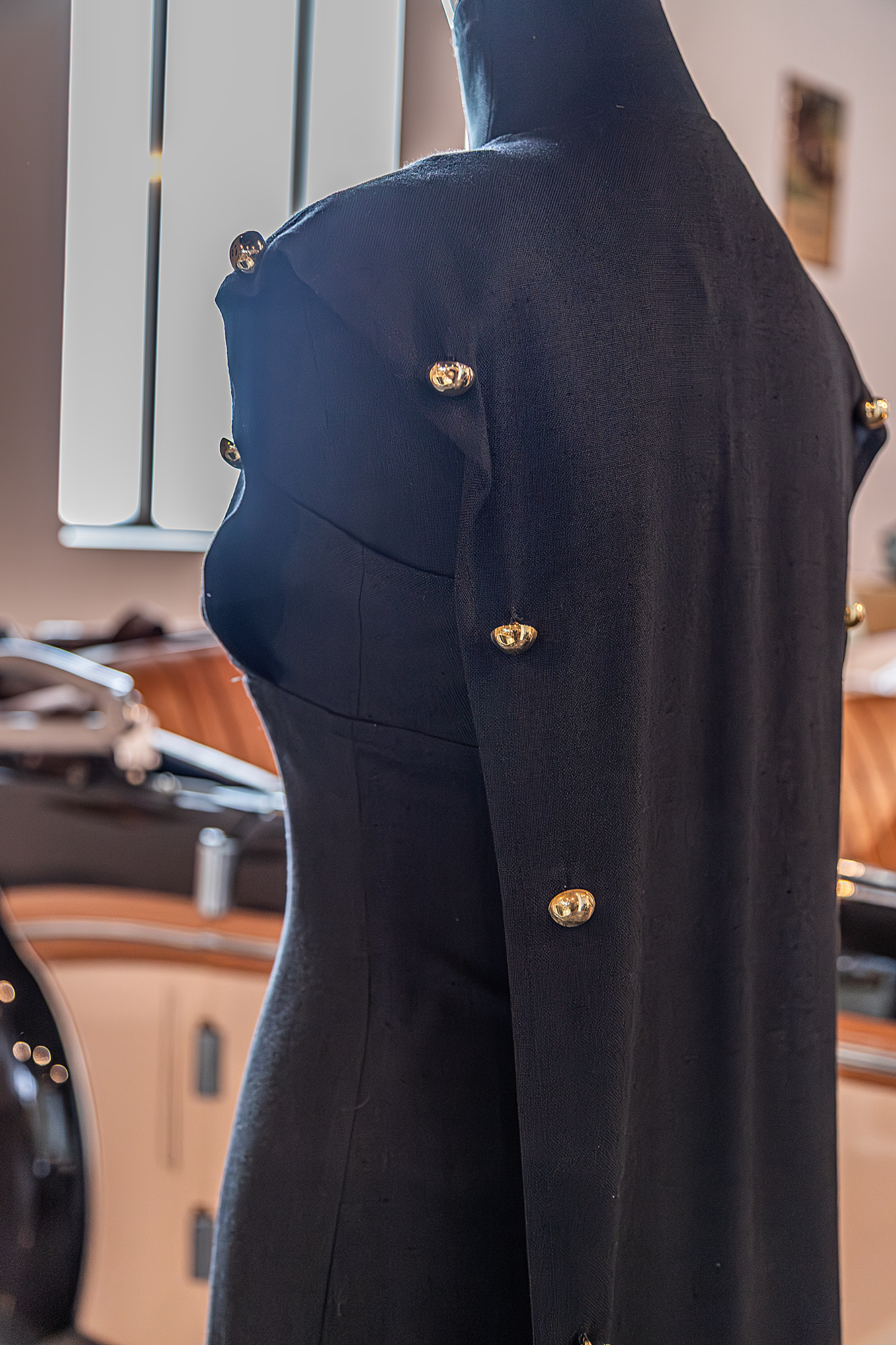
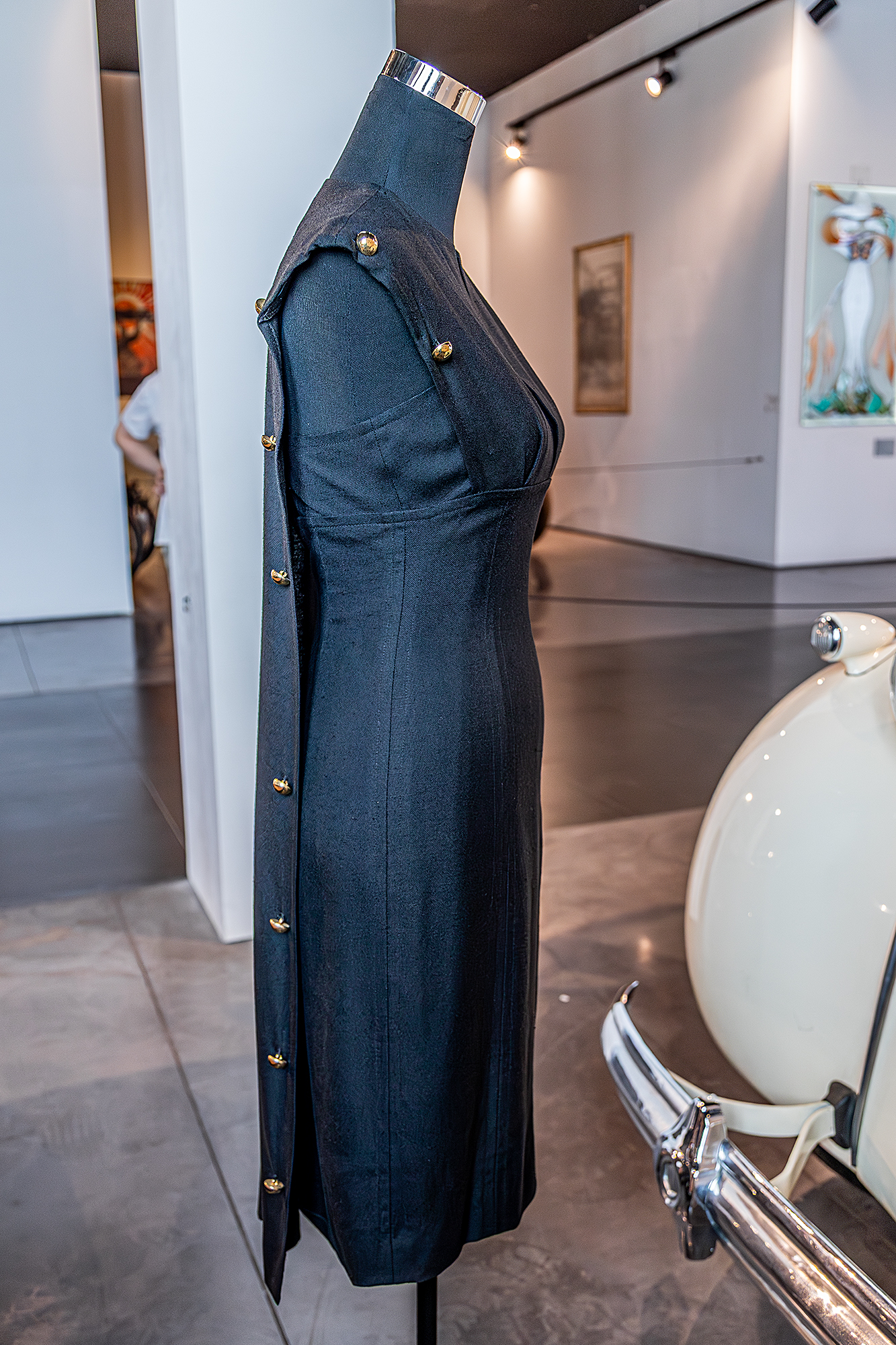
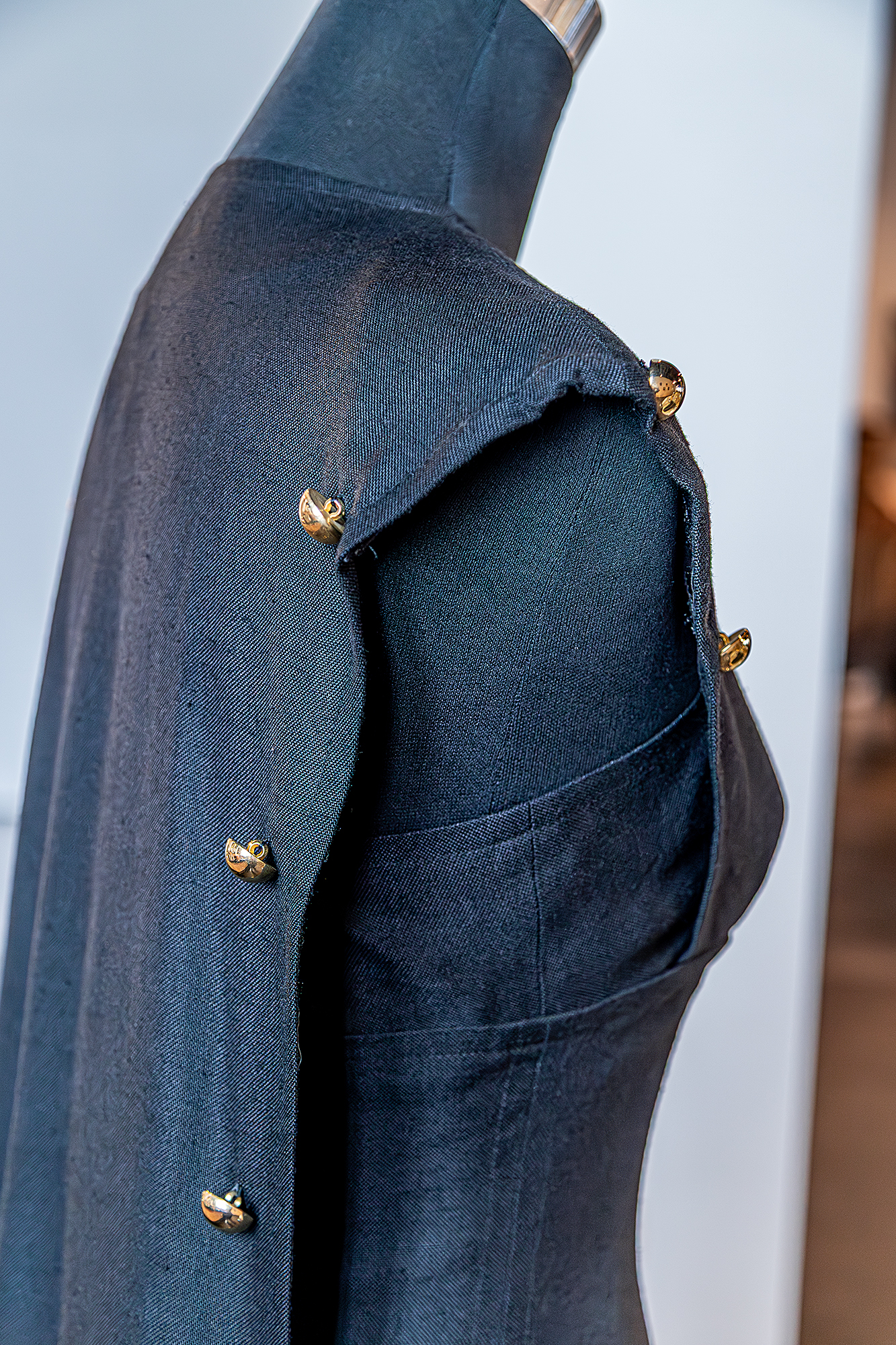
Balenciaga’s signature design feature was to emphasize the back, a detail that, as this caped dress demonstrates, has been reinterpreted by subsequent designers in charge of the maison.
Although it was created later in time, we’ve placed it in this room to highlight the milestone that would change the history of fashion, which is that in 1936, Balenciaga moved to Paris fleeing the Spanish Civil War. A year later, he presented his first collection, which was a complete success and confirmed his own words: “A couturier must be an architect for plans, a sculptor for forms, a painter for color, a musician for harmony and a philosopher in the sense of measure.”
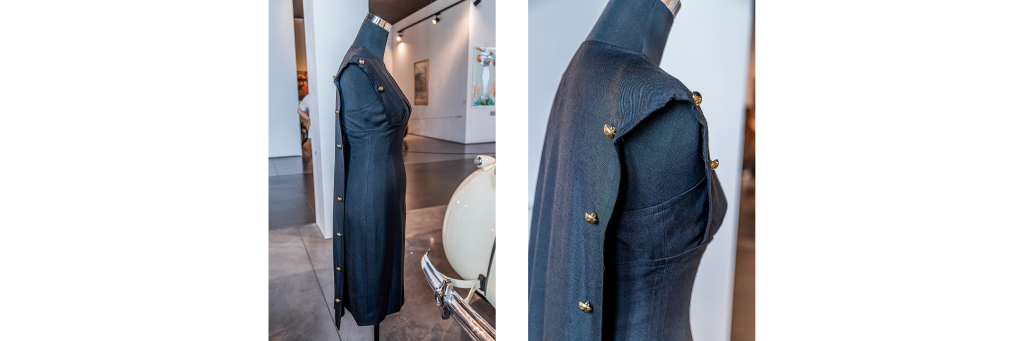
Cristobal Balenciaga was an object of admiration for all the designers of his time, all those who would end up giving rise to great brands, dedicated a few words to the Basque designer at one time or another. Givenchy called him “the architect of Haute Couture”, Christian Dior called him “the teacher of us all” and Gabrielle “Coco” Chanel considered him “The authentic couturier”.

Founded by Cristóbal Balenciaga in 1917 in San Sebastián, the house moved to Paris in 1937, where it cemented its reputation as a haute couture pioneer thanks to its innovative silhouettes—such as the sack dress and the Empire line—and its mastery of fabric manipulation. After the atelier closed in 1968, the brand remained dormant until its relaunch in the 1980s.
Since then, several creative directors have revitalized Balenciaga’s legacy, combining tradition and innovation to maintain it as an influential force in contemporary fashion. In chronological order: Michel Goma (1987–1992), Josephus Thimister (1992–1997), Nicolas Ghesquière (1997–2012), Alexander Wang (2012–2015), Demna Gvasalia (2015–2025). Finally, Pierpaolo Piccioli (coming soon, from October 2025) who is expected to bring a more classic and artisanal vision, valuing the legacy of Balenciaga

