




408.629
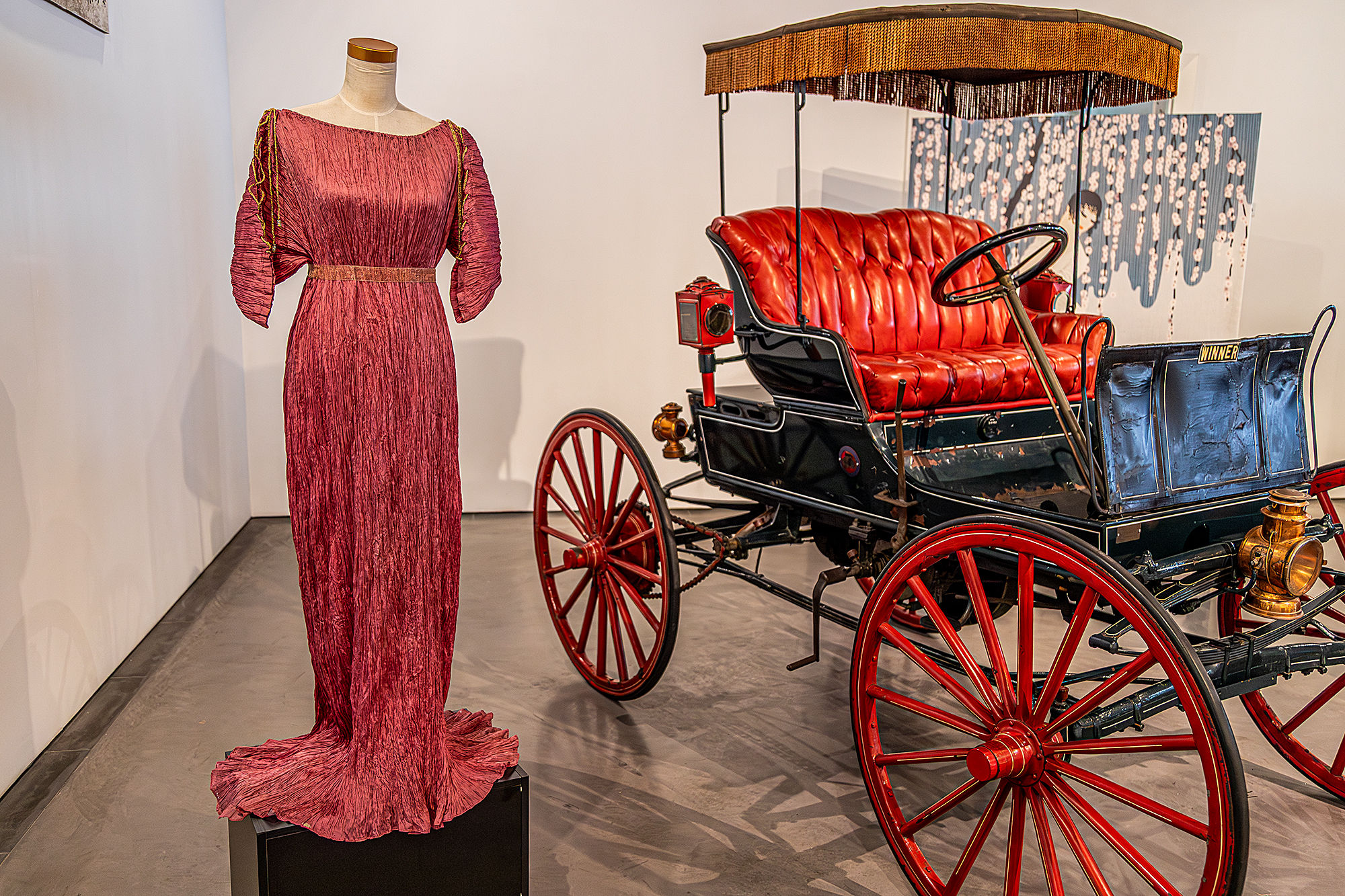
ITEM ON LOAN FOR THE EXHIBITION ‘HERITAGE, FASHION & THE ART OF TIME IN GRANADA’.
NOVEMBER 20th TO JANUARY 10th – PALACIO DE LOS CÓRDOVA
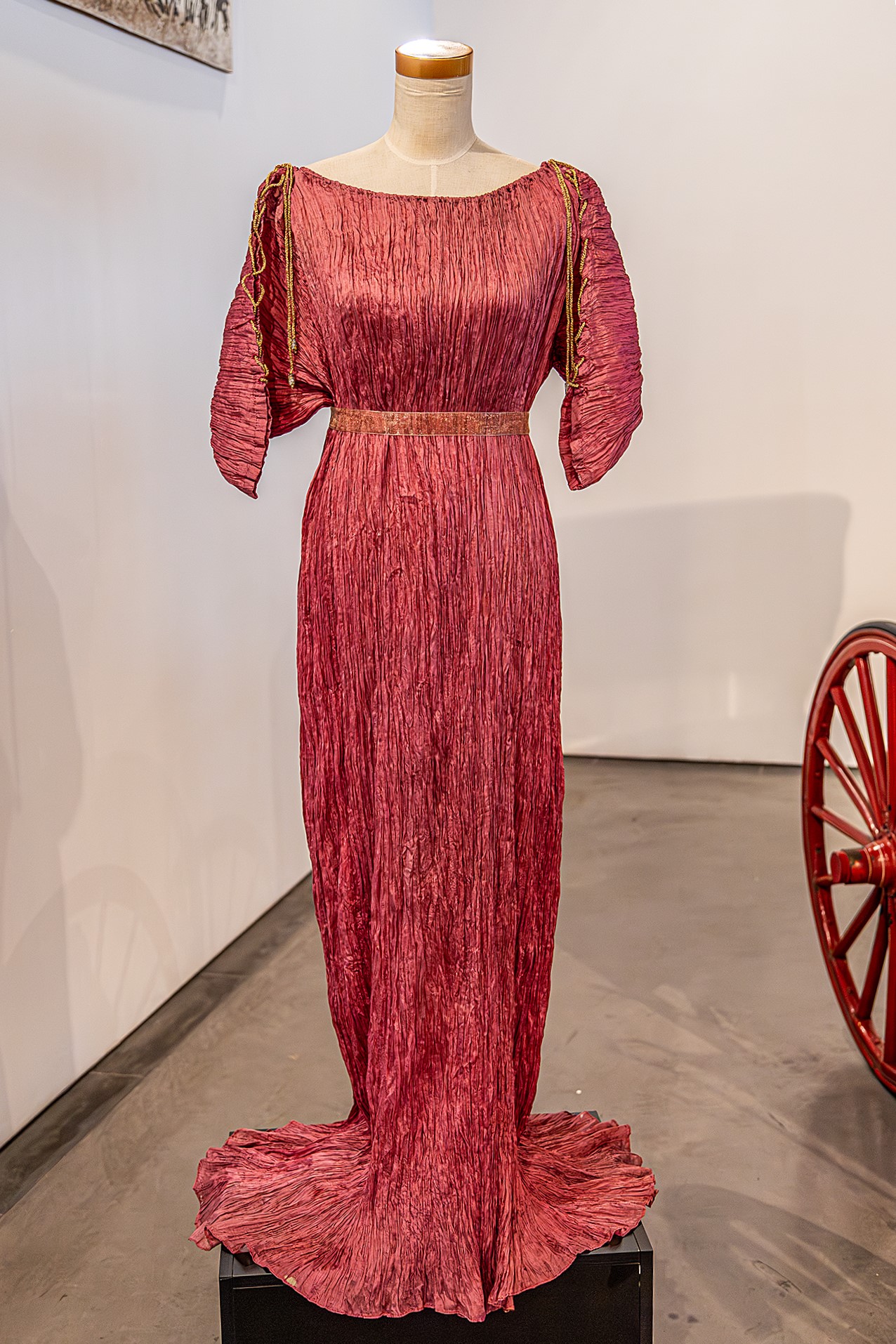
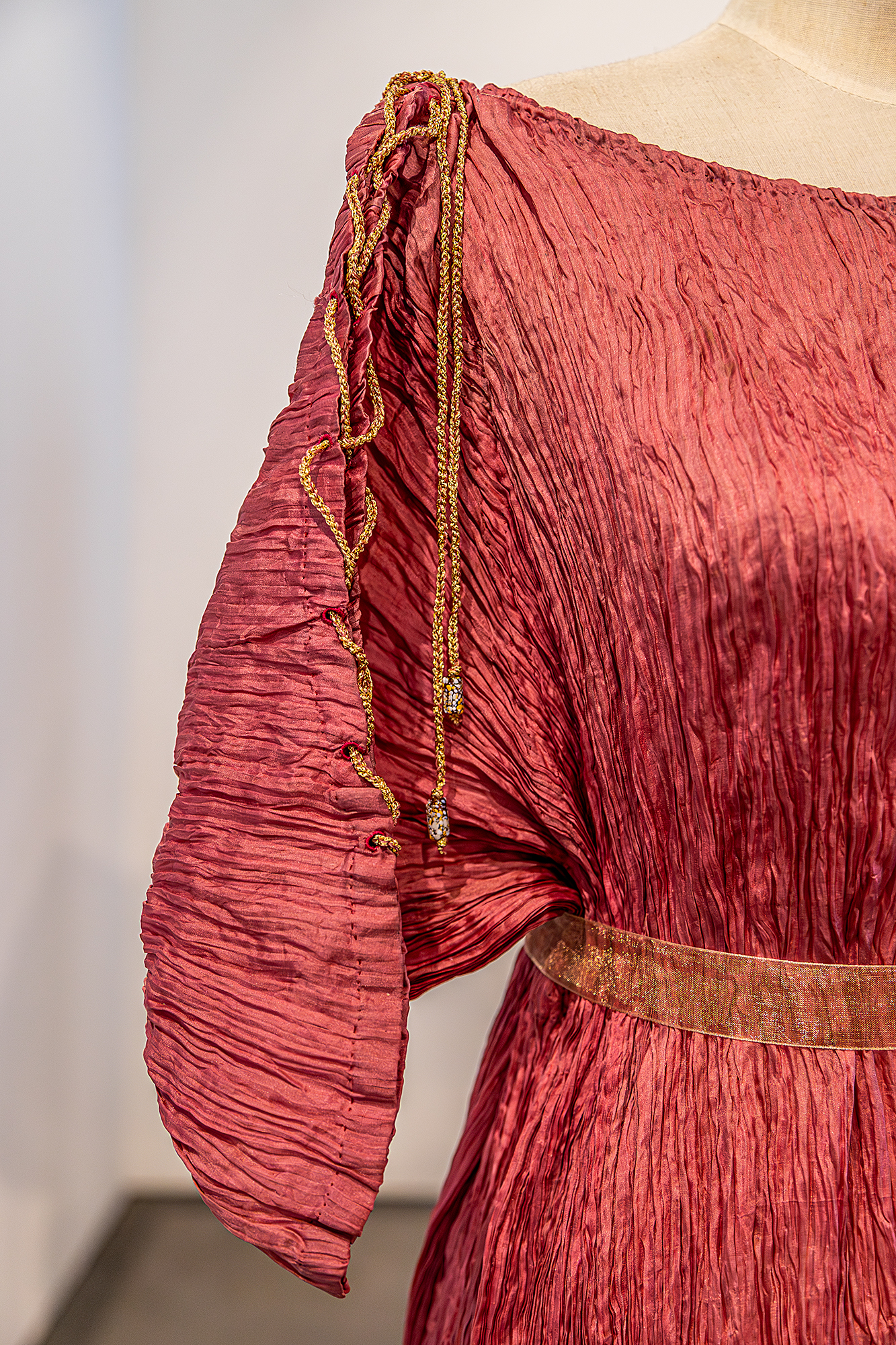
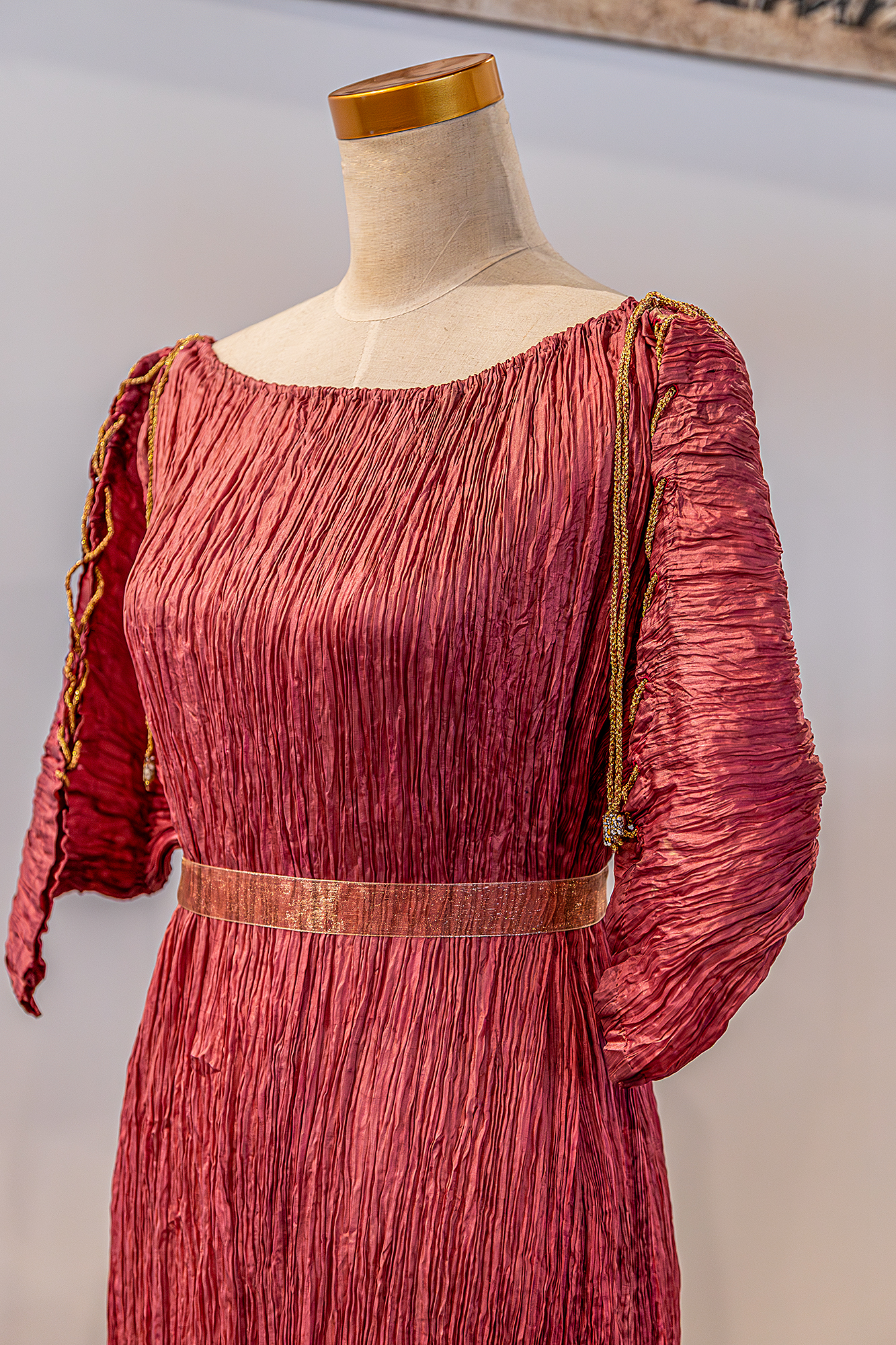
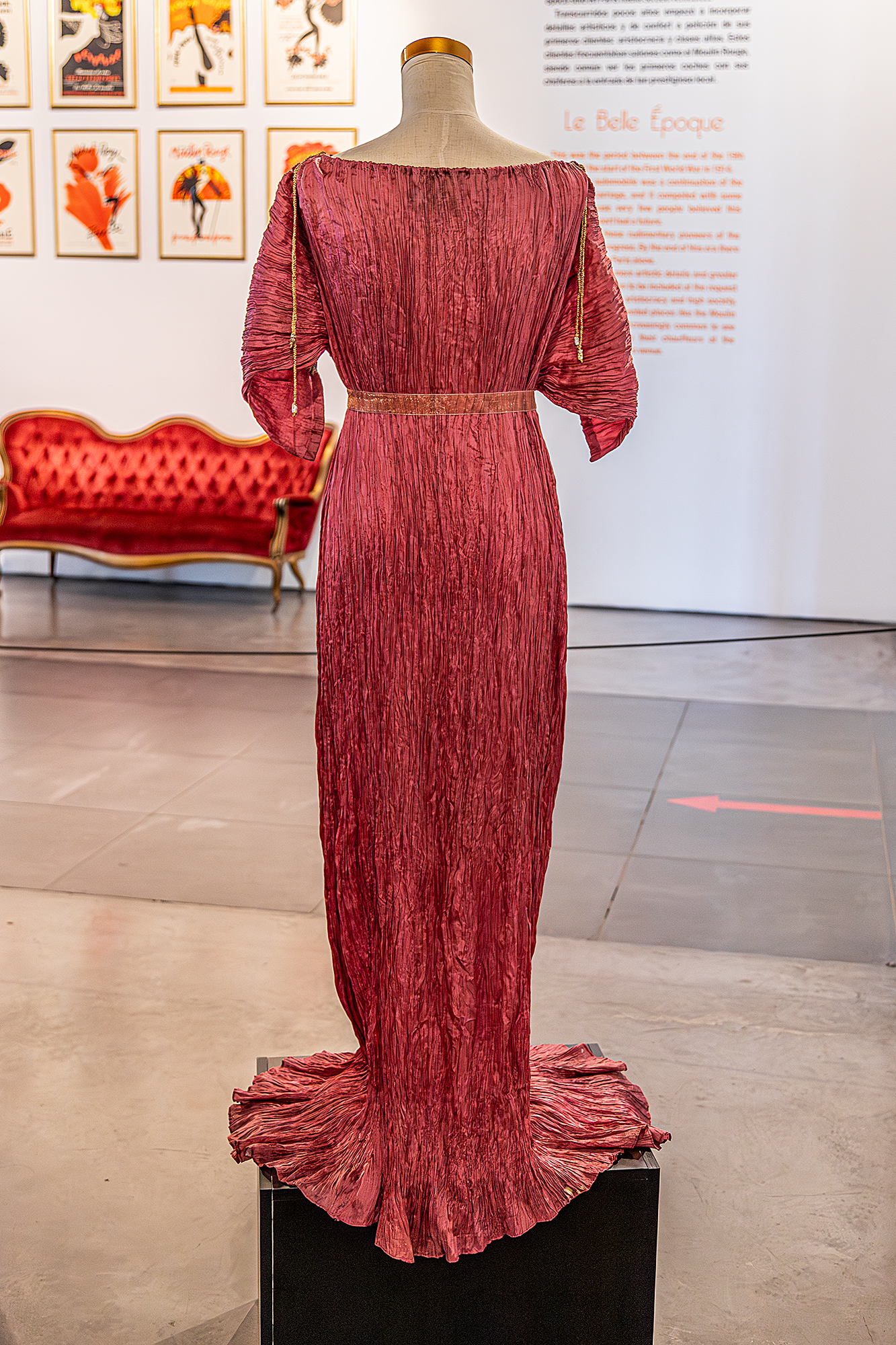
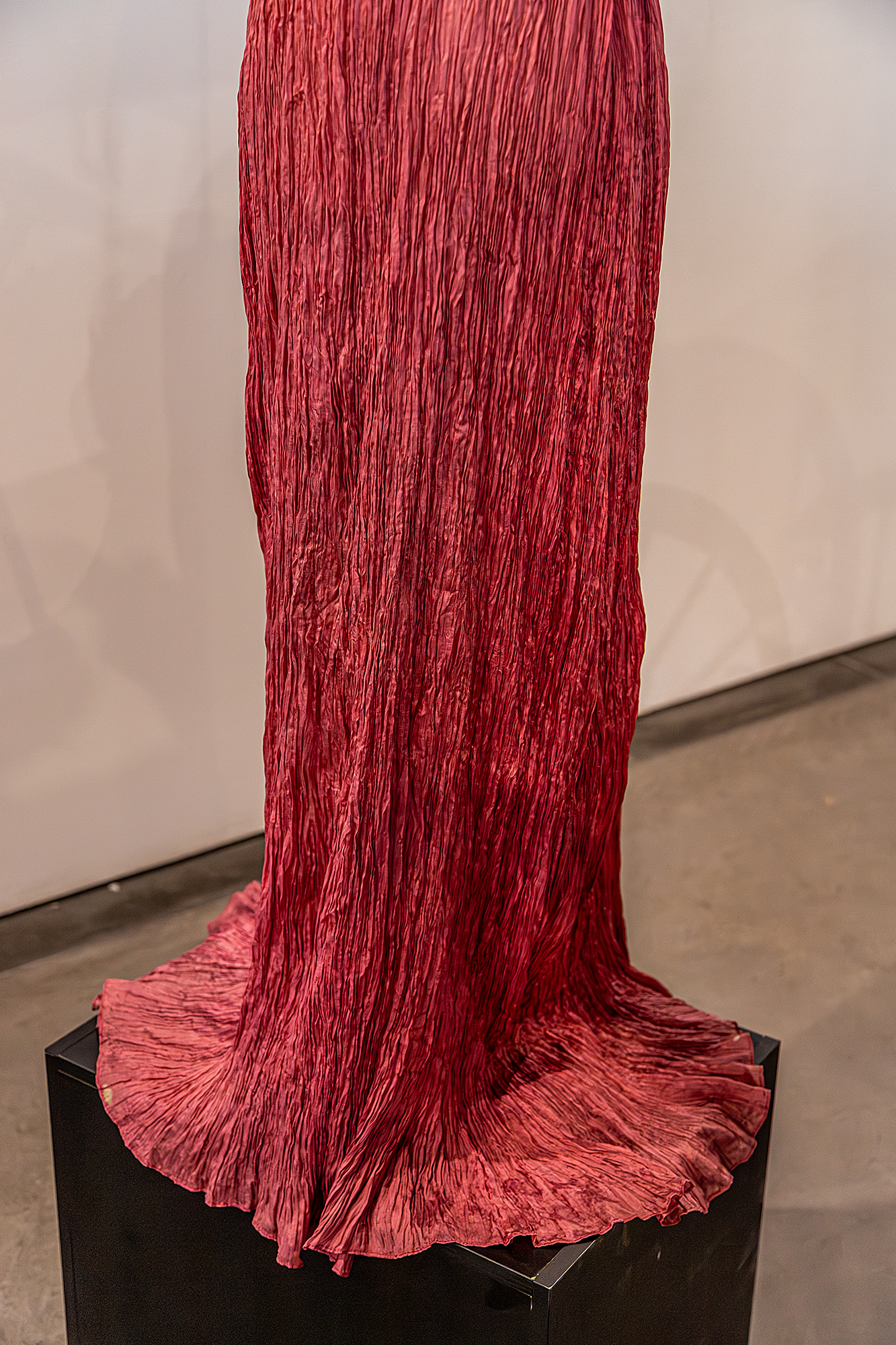
The Delphos, a tunic dress whose dense pleats were inspired by the Greek statue “Charioteer of Delphi,” emerged at the beginning of the century, breaking with the restrictive style of the time. Although it was registered by Mariano Fortuny in France under patent 408.62, a note in the margin of original document reading “This patent is the property of Madame Henriette Brassart, who is the inventor,” reveals that it was actually designed by his wife, the textile designer and artist Henriette Negrin (Brassart being her mother’s maiden name), who was also his main muse.
Its authorship is confirmed by a letter from the artist herself to Elsie McNeill, in which she writes, “Regarding the Delphos, after careful consideration, which has caused me to delay responding to you, I have made the irrevocable decision to cease commercial production. Considering that these garments, even more than many others, are my own creation, I do not wish them to be used by others, and therefore, the commercialization of Delphos must cease.”
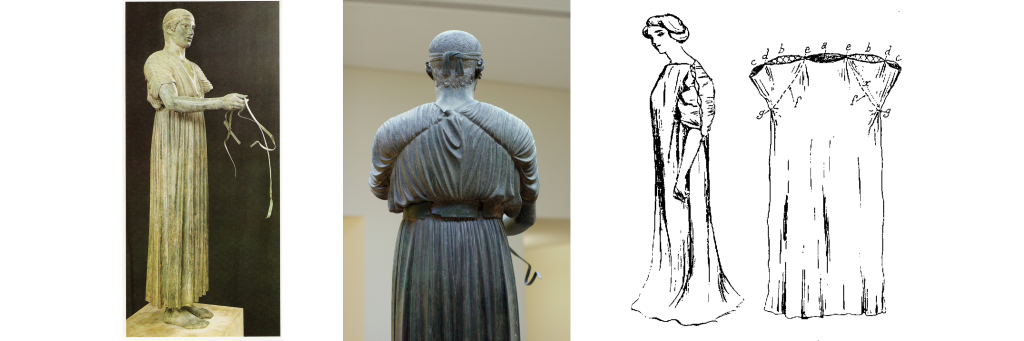
1. Michele Zaccaria at Italian Wikipedia, Public domain, via Wikimedia Commons / 2. Zde, CC BY-SA 4.0, via Wikimedia Commons / 3. Original sketch presented with the patent
-In 2023, the Metropolitan Museum of Art of New York opened the exhibition “Women Dressing Women,” in which, for the first time, the “Delphos” was attributed solely to Henriette Negrin.
-Henriette’s husband, Mariano Fortuny y Madrazo, was the son of one of the most prolific and successful Spanish painters of the 19th century, Mariano Fortuny y Marsal.
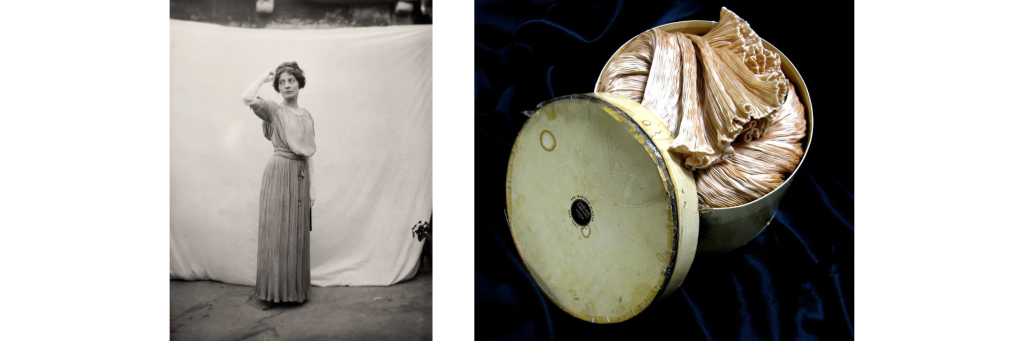
1. Henriette Negrin posing with a Delphos protptype, circa 1907-09, CC Mariano Fortuny / 2. A Delphos dress in its original box
Henriette Negrin (1877–1962) was a French textile and fashion designer, renowned for her mastery of pleating techniques and experimentation with fabrics, as well as for the development of unique dyeing processes that marked a turning point in the way modern clothing was conceived. Although it is unknown how she met Fortuny, it is only then that her work can be traced, as he was already a renowned artist.
After Fortuny’s death, Negrin ceased her artistic activity and dedicated herself to preserving and organizing the legacy they had created as a couple, defending her authorship and positioning herself as a key, though often overlooked, figure in 20th-century fashion.
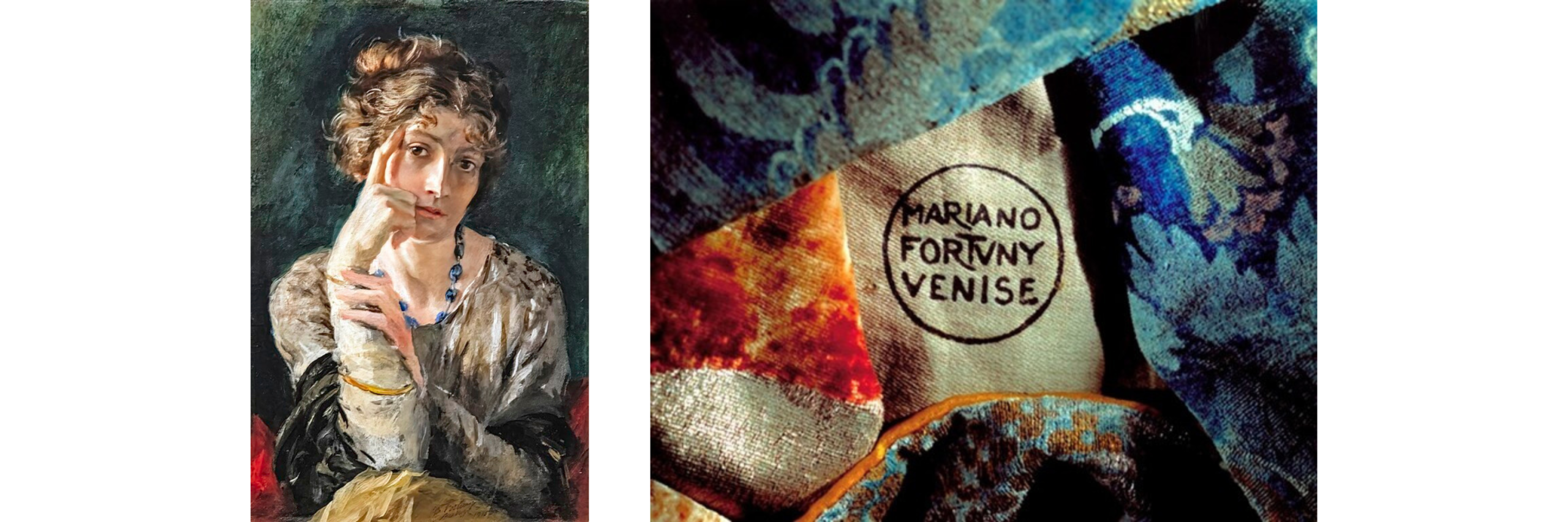
1. Mariano Fortuny, Public domain, via Wikimedia Commons / 2. Maspez, CC BY-SA 4.0, via Wikimedia Commons


