




Remembrance of Things Past
In 1919, in the second volume of his most important work, when the narrator asks Albertine if there is a big difference between a Callot Sisters’ design and one from an ordinary department store, Marcel Proust reflects the perception of this brand at the beginning of the century with the response: “Why, an enormous difference, my little man! […] they look the same only to people who know nothing at all about it.”
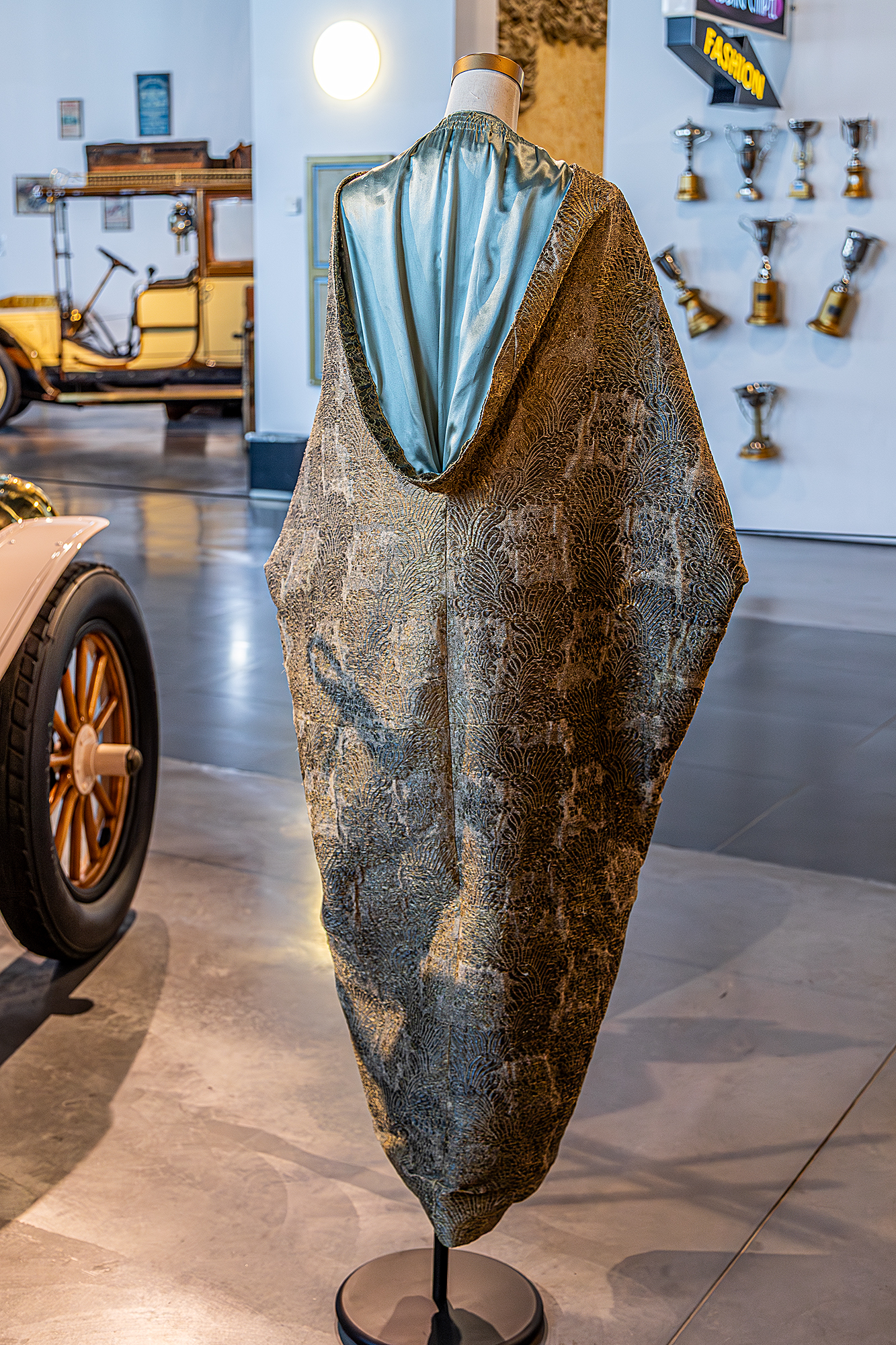
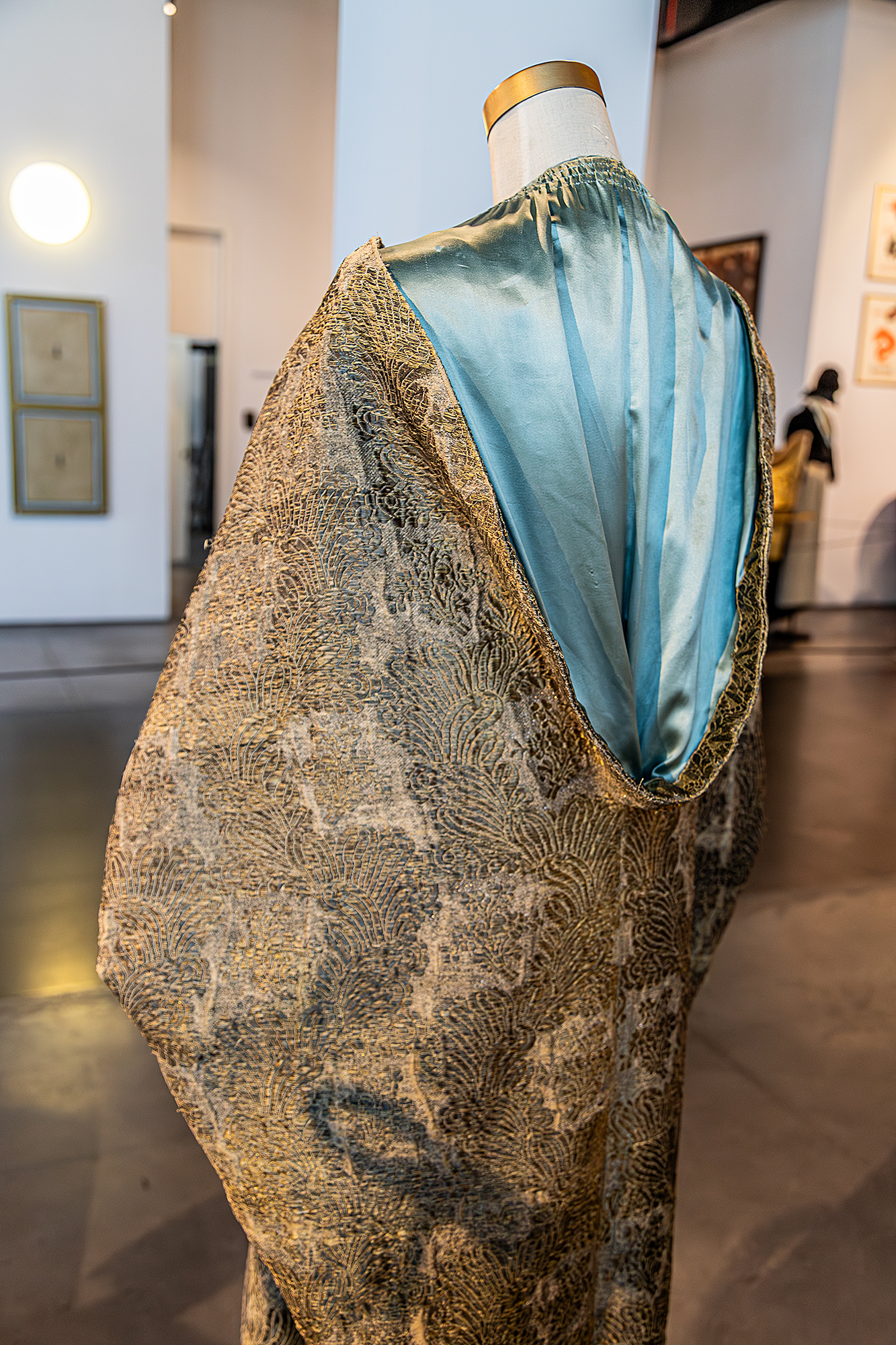
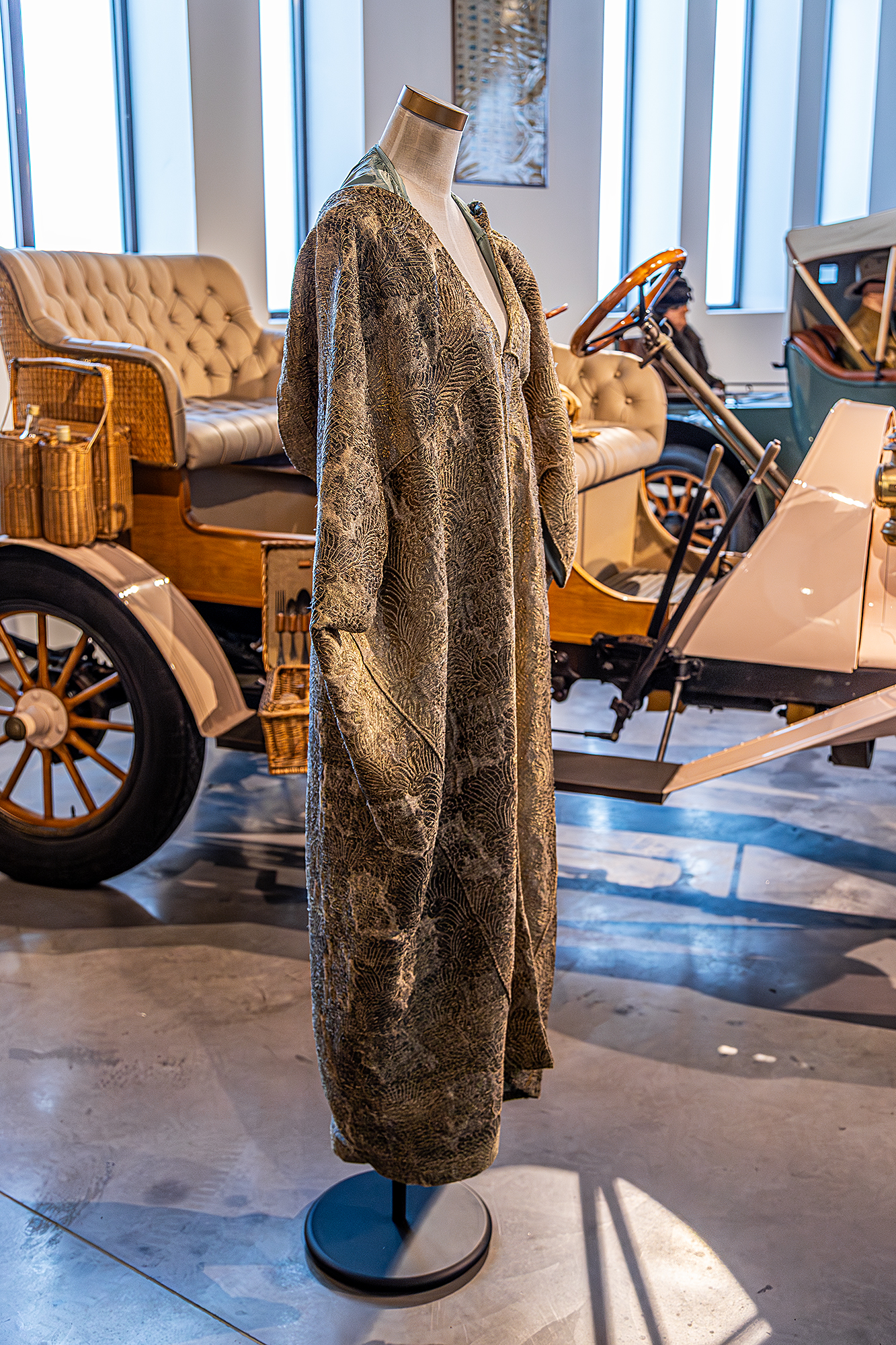
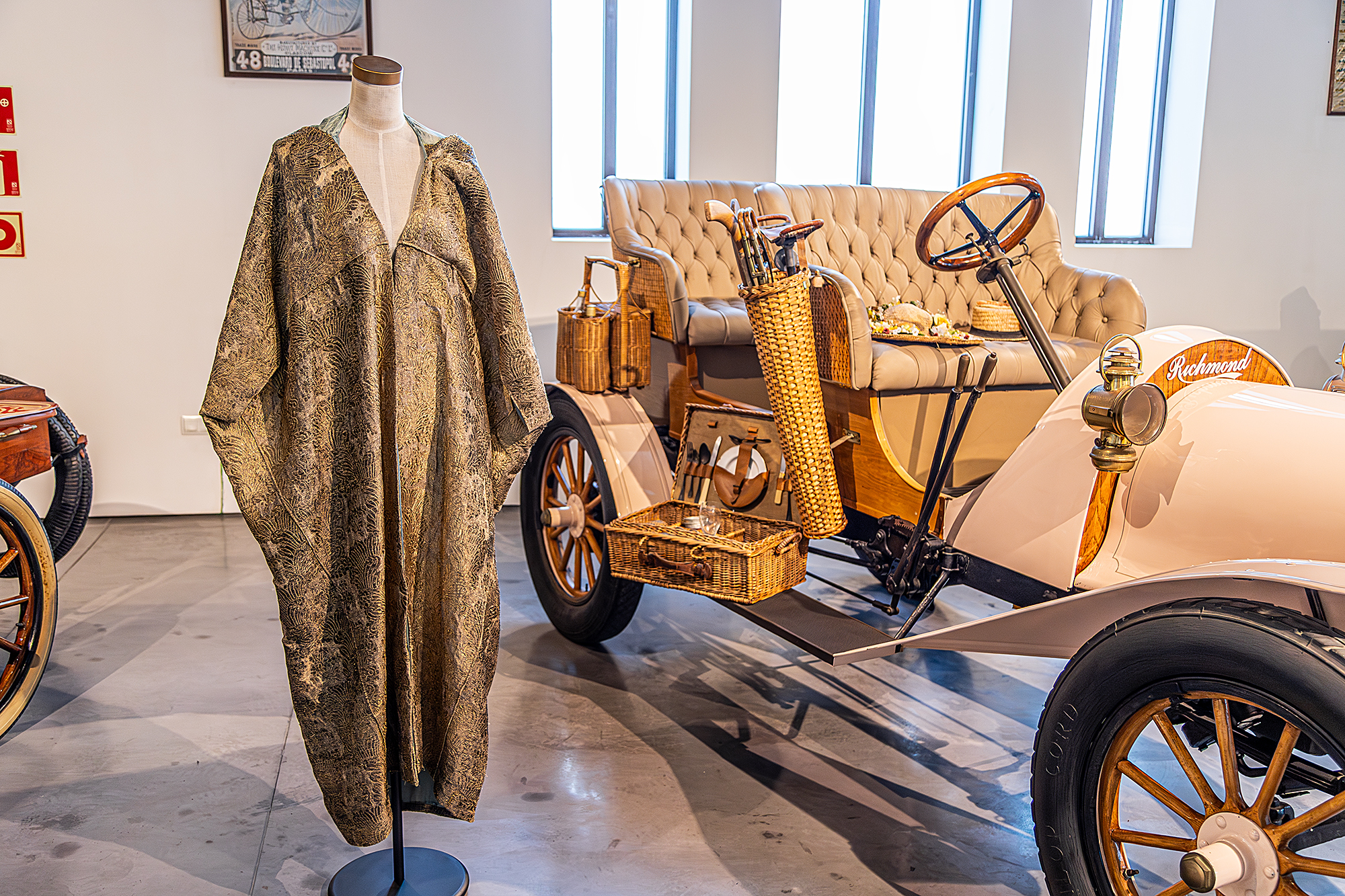
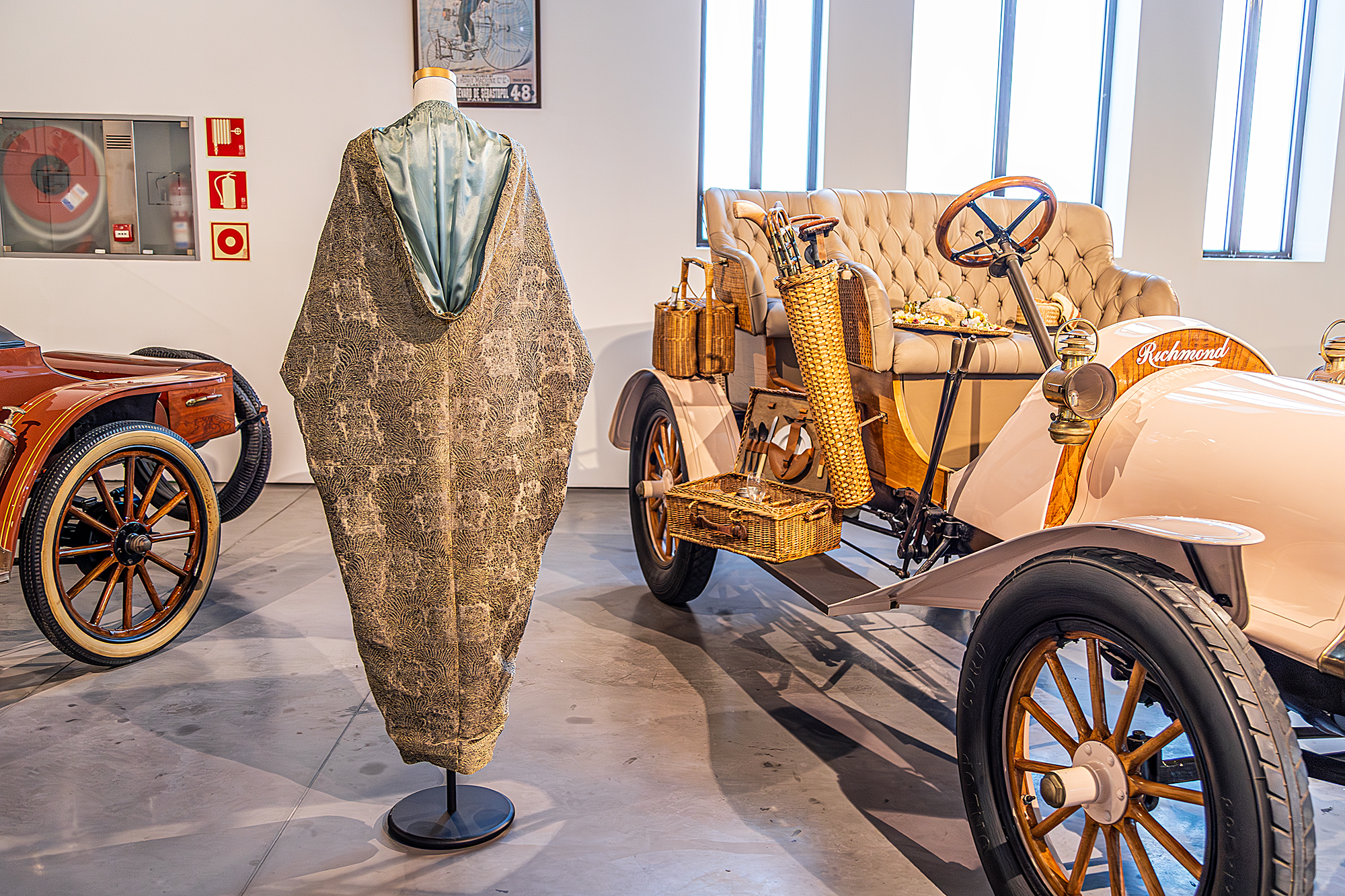
That’s because, after opening their workshop in 1895, the French quartet gained great fame not only for venturing into the use of materials such as gold and silver lamé, but also for experimenting with an aesthetic influenced by Orientalism, pioneering the adoption of different silhouettes that abandoned corsetry and even recycled materials such as the brocade from which this cape was made.
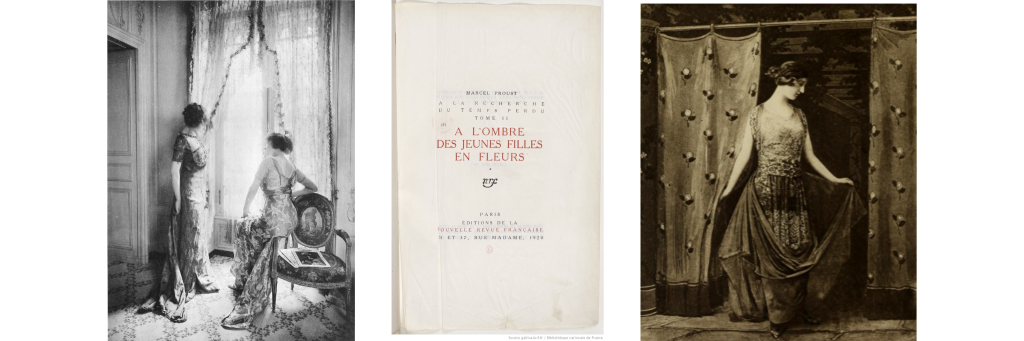
1. G. Agié, Callot Soeurs’ models c.1910, /2. Éditions de la Nouvelle Revue française,/ 3. La Pergola, The 1915 Mode (1915), Public domain, via Wikimedia Commons
-The Callot sisters were in charge of the costume design for silent film actress Elsie Ferguson’s costumes for the film “The Avalanche” (1919).
-Madeleine Vionnet, inventor of the bias cut, was a Callot Sisters´ apprentice between 1901 and 1907. She said of this period, “Without the example of the Callot Soeurs, I would have continued to make Fords. It is because of them that I have been able to make Rolls Royces.”
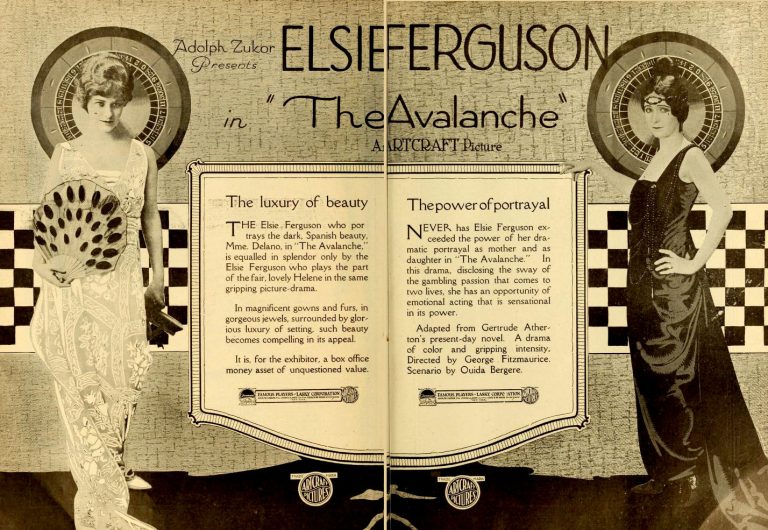
Paramount Pictures, Public domain, via Wikimedia Commons
Callot Sœurs was an influential Parisian haute couture house founded in 1895 by sisters Marie, Marthe, Regina, and Joséphine (the latter of whom died just two years after starting the project). Descended from an art and textile dealer, and a skilled lacemaker, they grew up with the necessary sensitivity to quickly achieve recognition, earning them an invitation to the 1900 World’s Fair. By 1901, they had a workforce of around 600 employees.
In the midst of World War I, they maintained their prestige thanks to the support of the American market, being dubbed by Vogue as the “Three Fates,” declaring them “foremost among the powers that rule the destinies of a woman’s life and increase the income of France.”
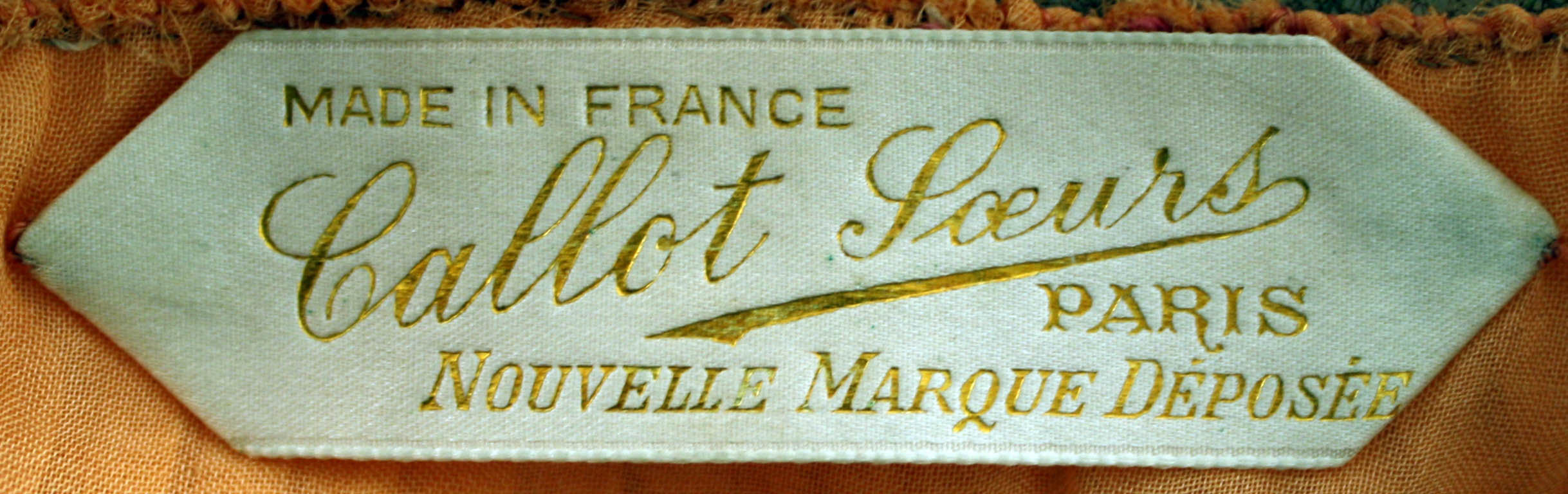
via Wikimedia Commons


