



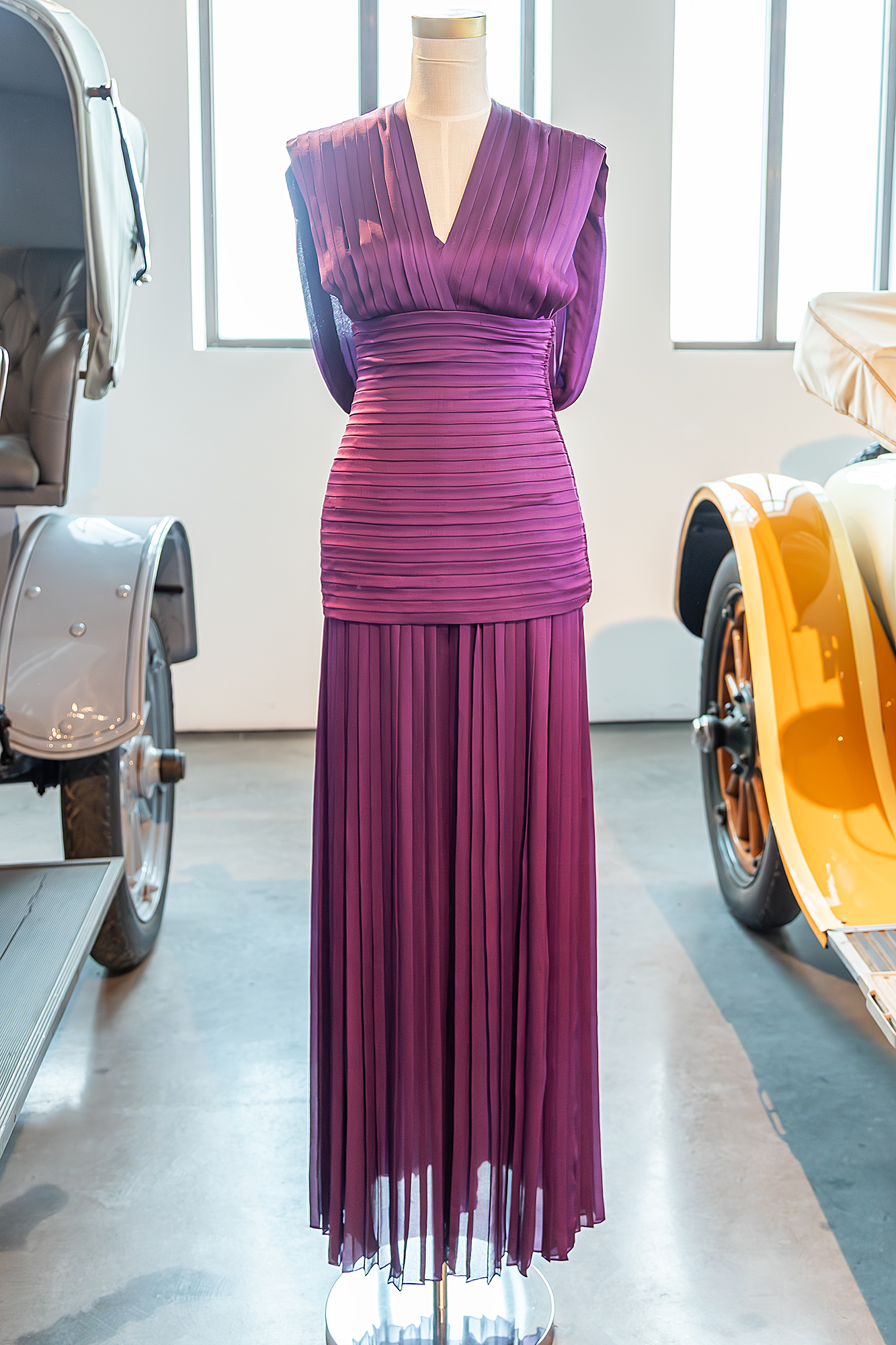
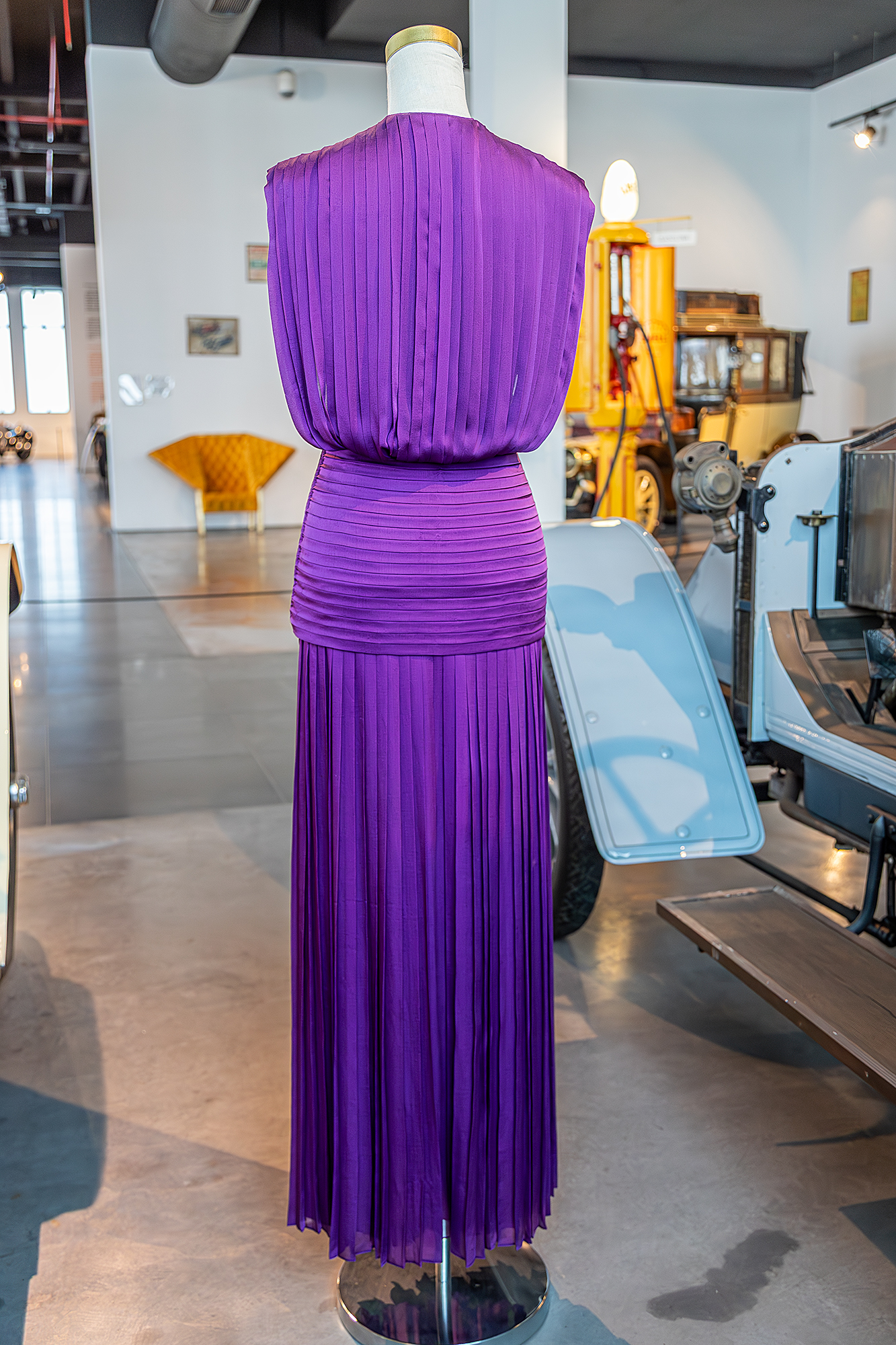
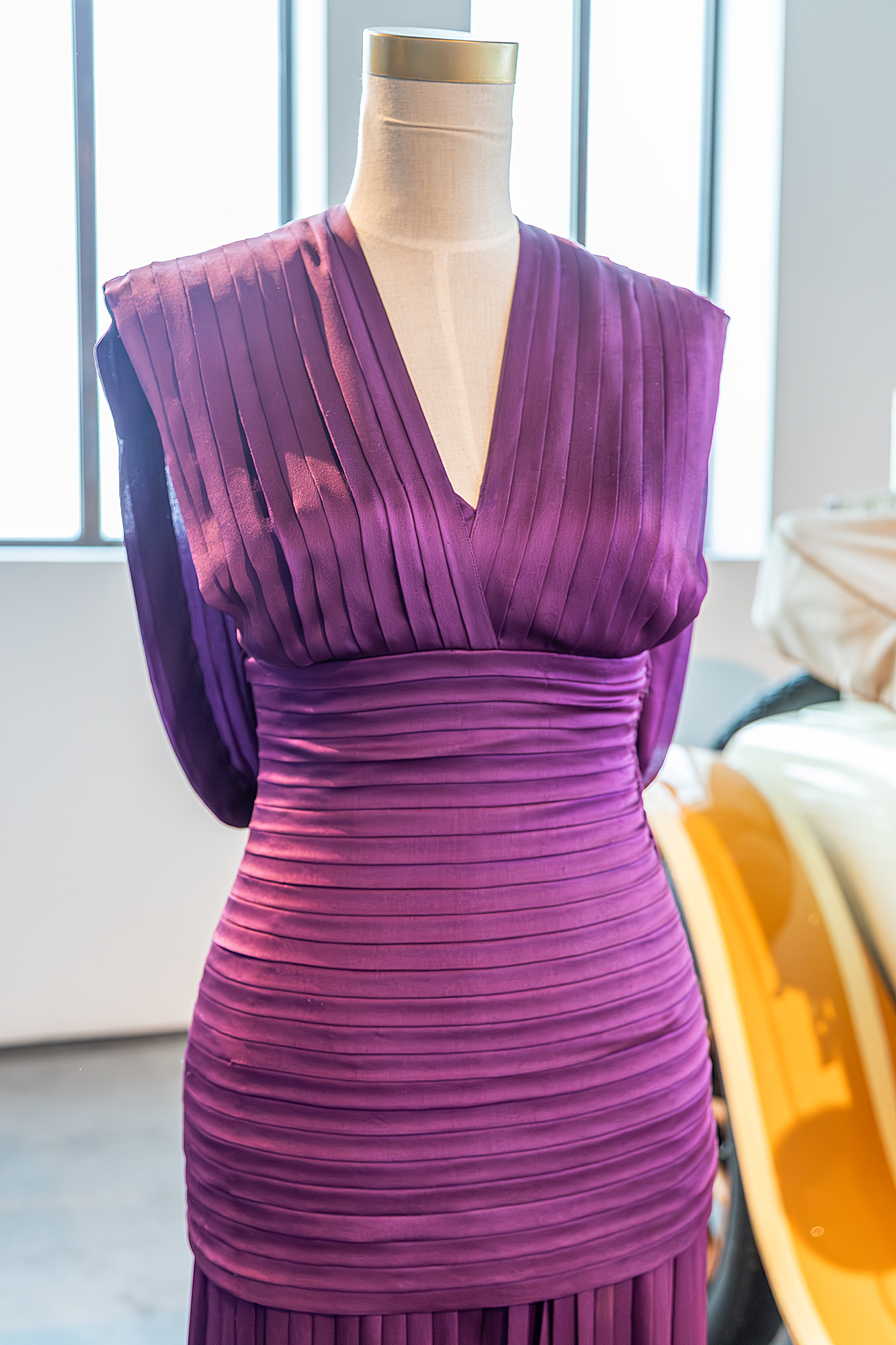
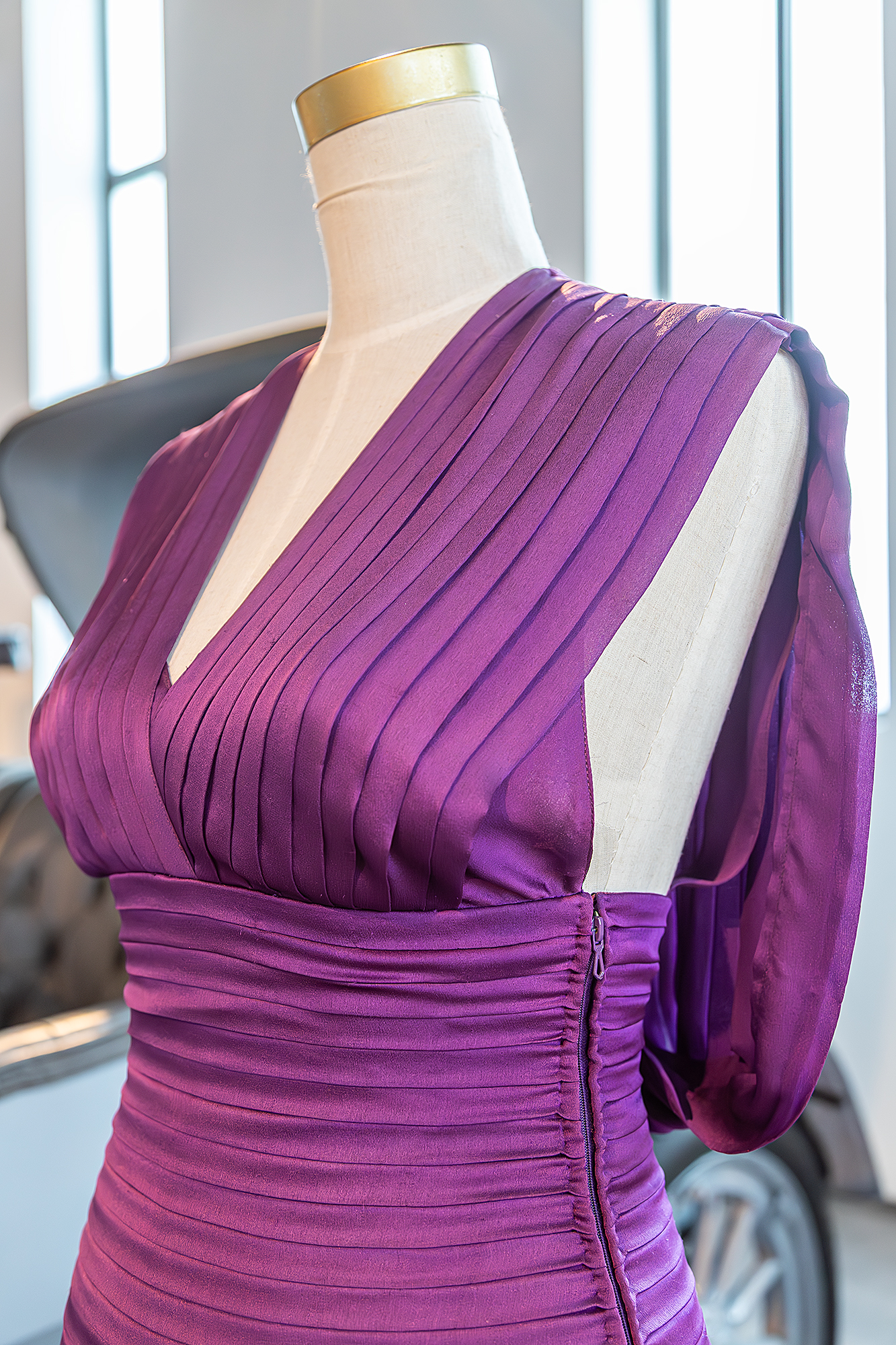
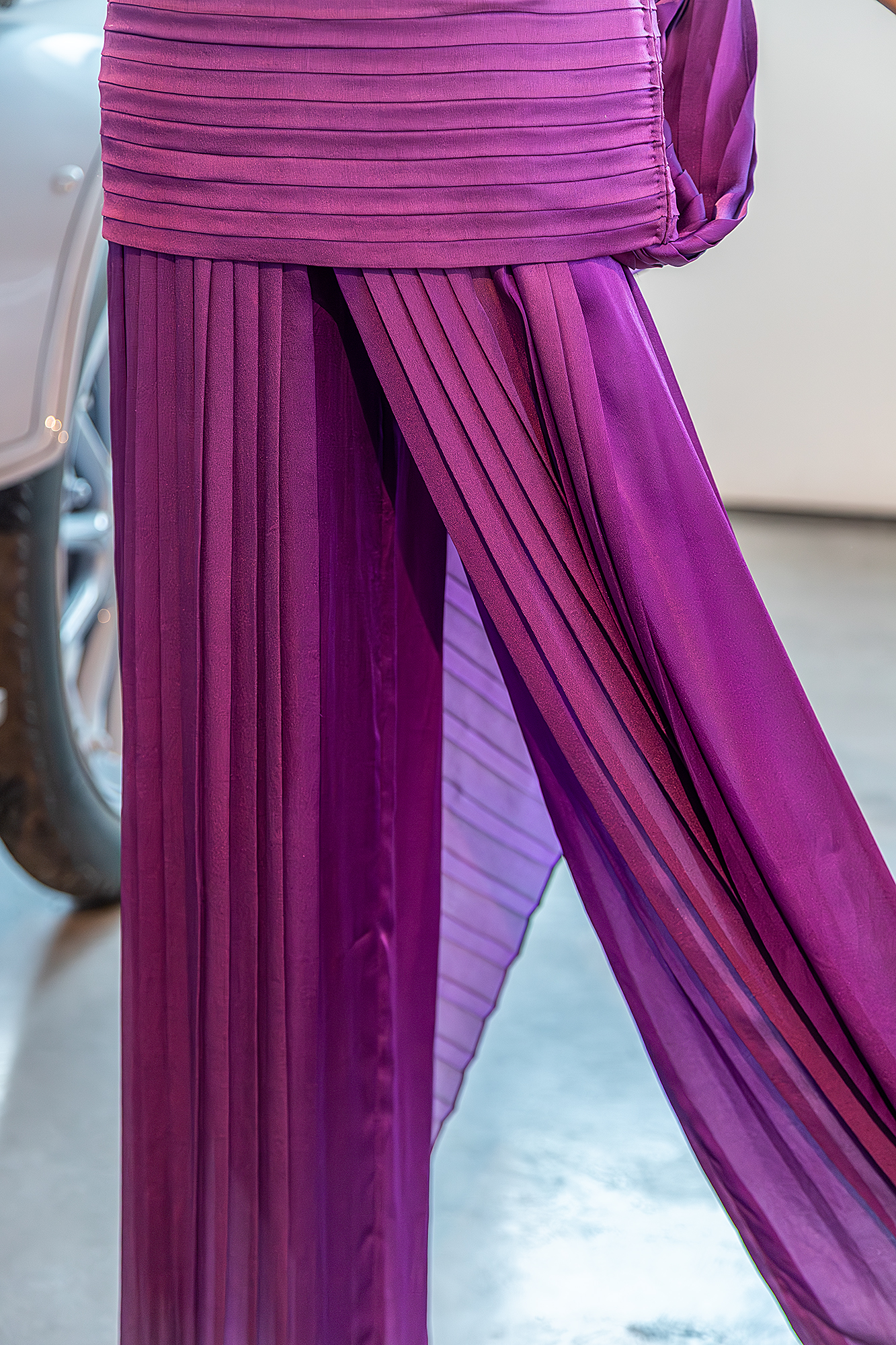
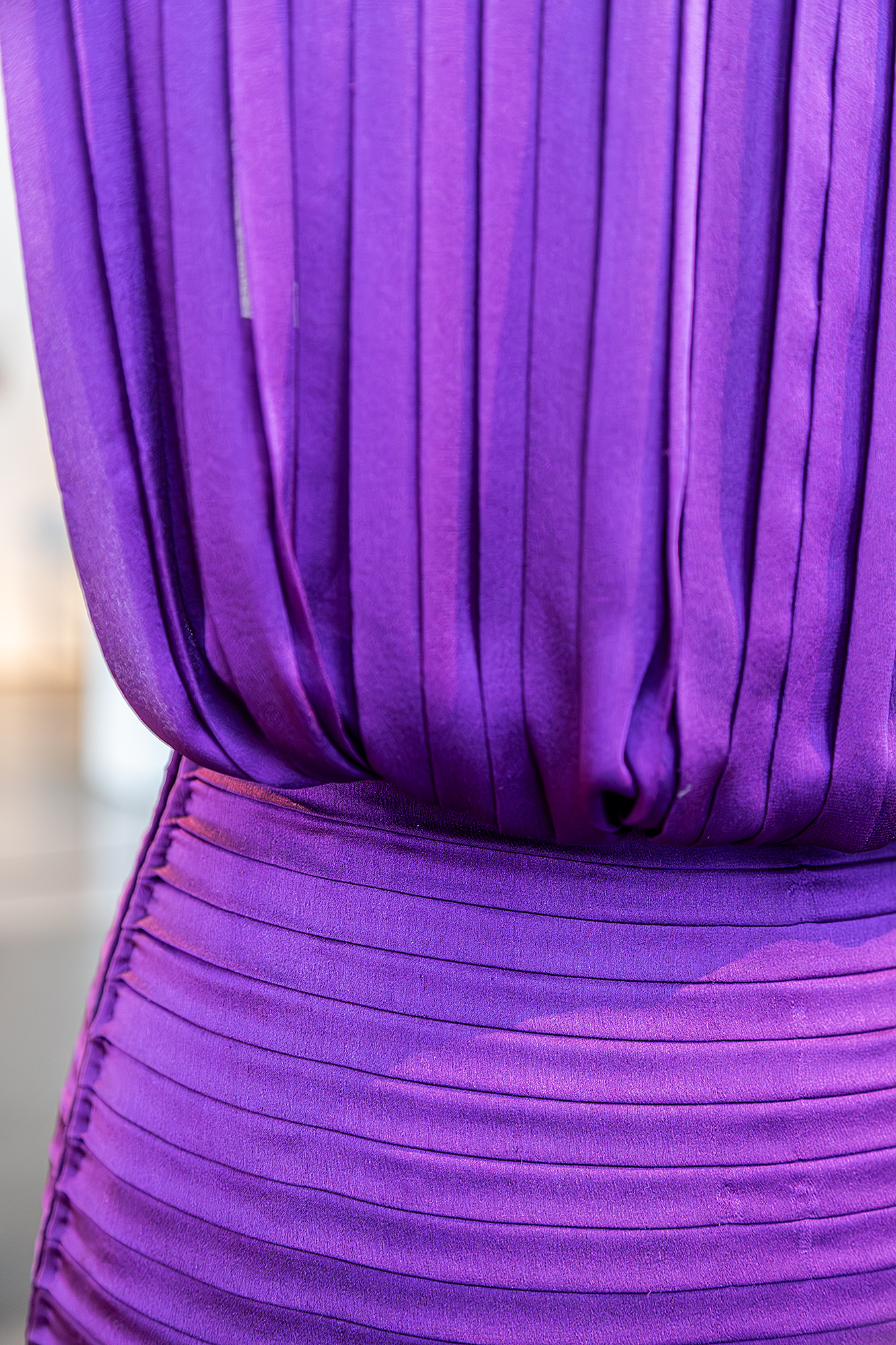
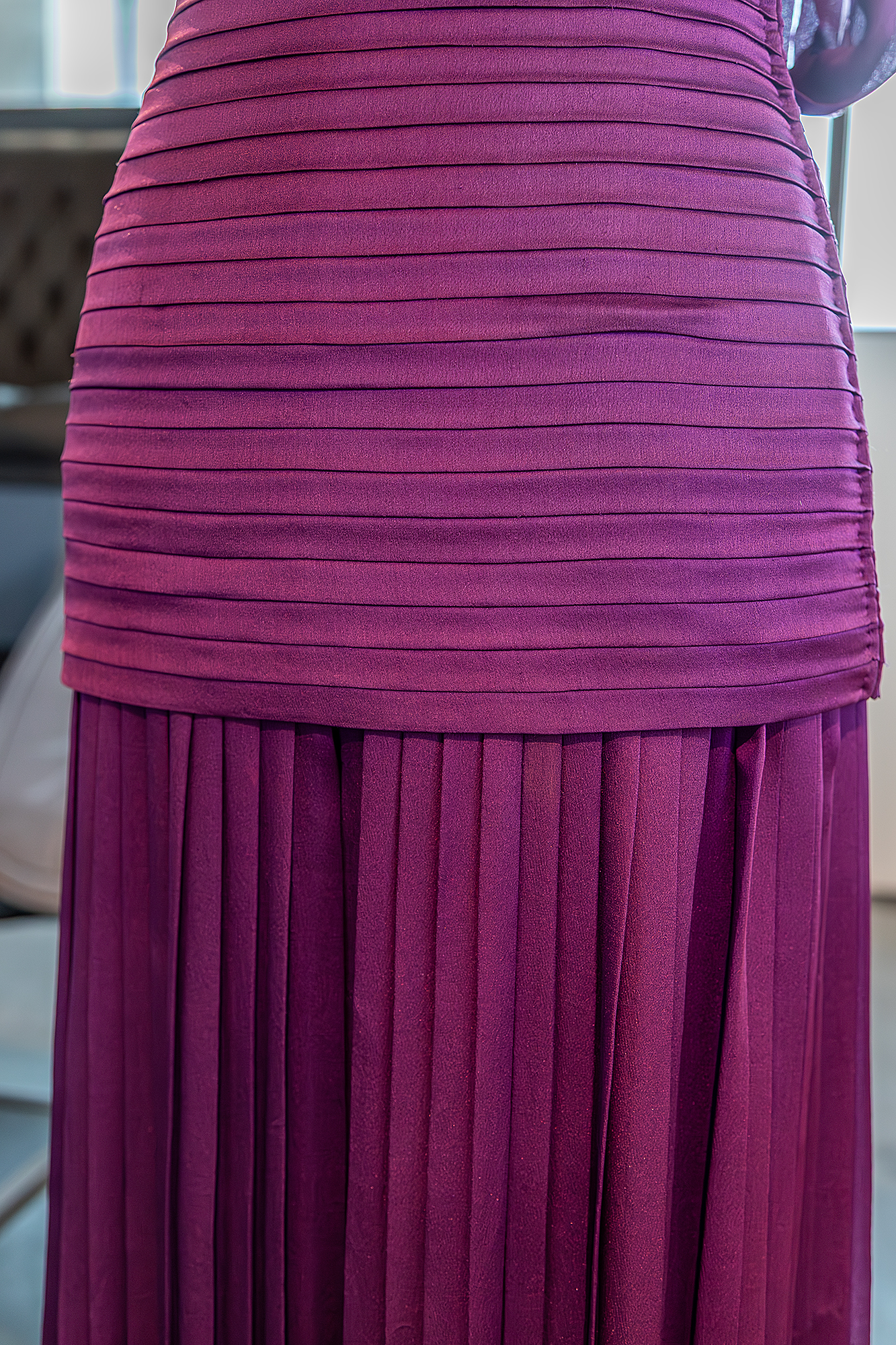
The culottes
Our Bernard Perris set illustrates the significance of this garment throughout history.
Around 1850, Amelia Bloomer, editor of the newspaper ‘The Lily’, popularized ‘bloomers’, an outfit devised by suffragist Elizabeth Smith Miller that combined Turkish-inspired baggy trousers (şalvar) with a knee-length overskirt. This style would evolve in its own way, taking on forms that we still see today.
Later, in 1895, inventor and designer Herbert Luey patented a garment that, while appearing to be a skirt, actually concealed separate trouser legs.
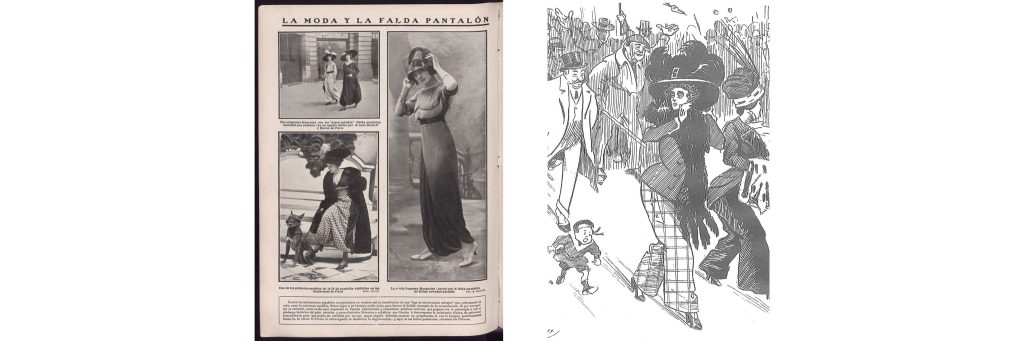
In 1911, Poiret introduced a version that caused a major scandal. Thus, the culotte, or skirt-trouser, gradually made its way into the world of fashion, eventually securing a firm place in the female wardrobe.
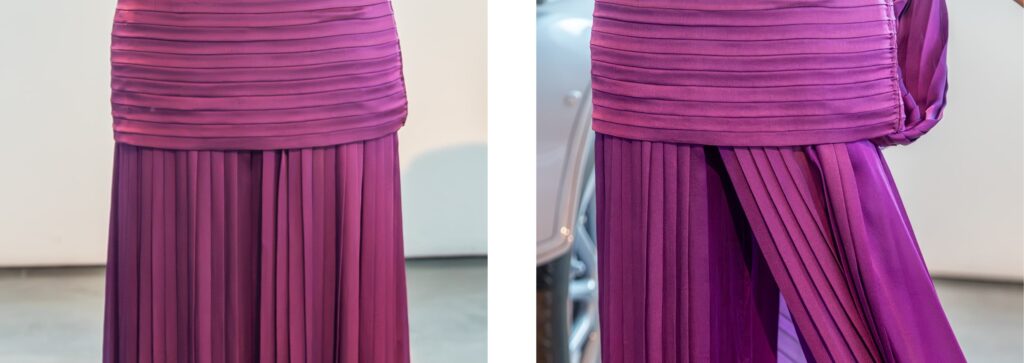
In 1911, at the same time that Poiret presented his skort-skirt, the same concept could also be seen in Madrid, Spain, even making newspaper headlines. La Vanguardia reported the incident in the 23 February edition, recounting how the watching crowd had forced the women wearing them to take refuge in a porter’s lodge.
Poiret’s garment also has a cameo in the series Downton Abbey, when Sybil Crawley appears showing the new outfit to her family, who look on in complete surprise.
Bernard Perris, French designer, stood out on the fashion scene for his innovative and avant-garde approach. Known for his work in haute couture and ready-to-wear, Perris combined architectural lines with a sleek, modern aesthetic, reflecting the bold spirit of the times. His designs were characterised by the use of structured cuts, sophisticated fabrics and meticulous attention to detail.
In the 1980s, he worked for prestigious fashion houses and left his mark on the industry thanks to his contemporary vision and his ability to reinterpret luxury with a fresh and dynamic approach. His contribution helped define the fashion of a decade marked by extravagance and stylistic experimentation.